Why AI Researchers Actually Fear an Extinction Scenario
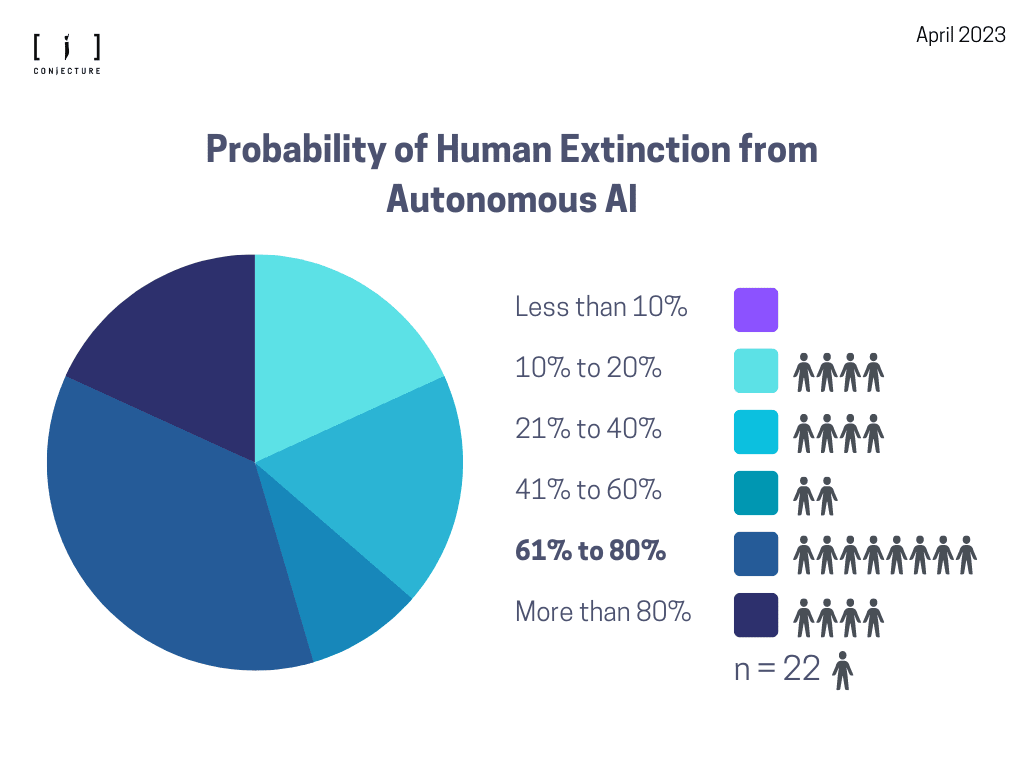
Nearly one in five AI researchers surveyed recently admitted they believe artificial intelligence could trigger a human extinction scenario. It is time to look past the marketing spin....

Nearly one in five AI researchers surveyed recently admitted they believe artificial intelligence could trigger a human extinction scenario. Let that sink in for a moment. These are not sci-fi novelists looking to sell paperbacks or venture capitalists trying to juice their latest seed round valuations. These are the actual practitioners sitting in labs across San Francisco and London, staring directly into the engine, casually tossing around phrases like ticking time bomb while the rest of the tech industry treats safety guidelines like an inconvenient speed bump on the road to a trillion-dollar market cap.
I find it fascinating how easily the discourse fractures here. On one side, you have breathless PR machines churning out glossy press releases about productivity gains, cheerful corporate assistants, and minor efficiency bumps for enterprise spreadsheets. On the other, the people building the core architectures are quietly placing non-trivial odds on humanity getting completely erased. Eighteen percent. That is not a negligible rounding error. That is Russian roulette with a multi-chamber revolver. Yet venture capital keeps flowing, compute clusters keep expanding, and executives keep demanding more parameters, faster iteration cycles, and bolder leaps into the unknown.
Part of the problem is how we talk about progress in this industry. We celebrate scale over understanding. We cheer when a model hallucinates slightly less often, or when it passes a standardized test designed for teenagers, as if accumulating trivia equates to possessing deep, stable wisdom. But true engineering humility requires us to ask what happens when systems outpace our ability to reason about their internal states. When a model's behavior becomes emergent in ways its creators cannot predict or explain, we are no longer engineering tools. We are unleashing forces we can barely monitor.
We need to stop pretending that caution is anti-progress and start respecting the gravity of what's being built. Small teams and independent builders often have a clearer view of this dynamic because we are closer to the metal, unburdened by the frantic pressure to justify massive stock valuations every single quarter. If the people who understand the math best are genuinely terrified. Maybe the rest of us should pause the hype train long enough to listen to them.









