Building a Memory-Driven Agent: Beyond Stateless AI Hype
Most AI tools suffer from amnesia, forcing you to restart from scratch every single day. Here is why structured memory changes everything....
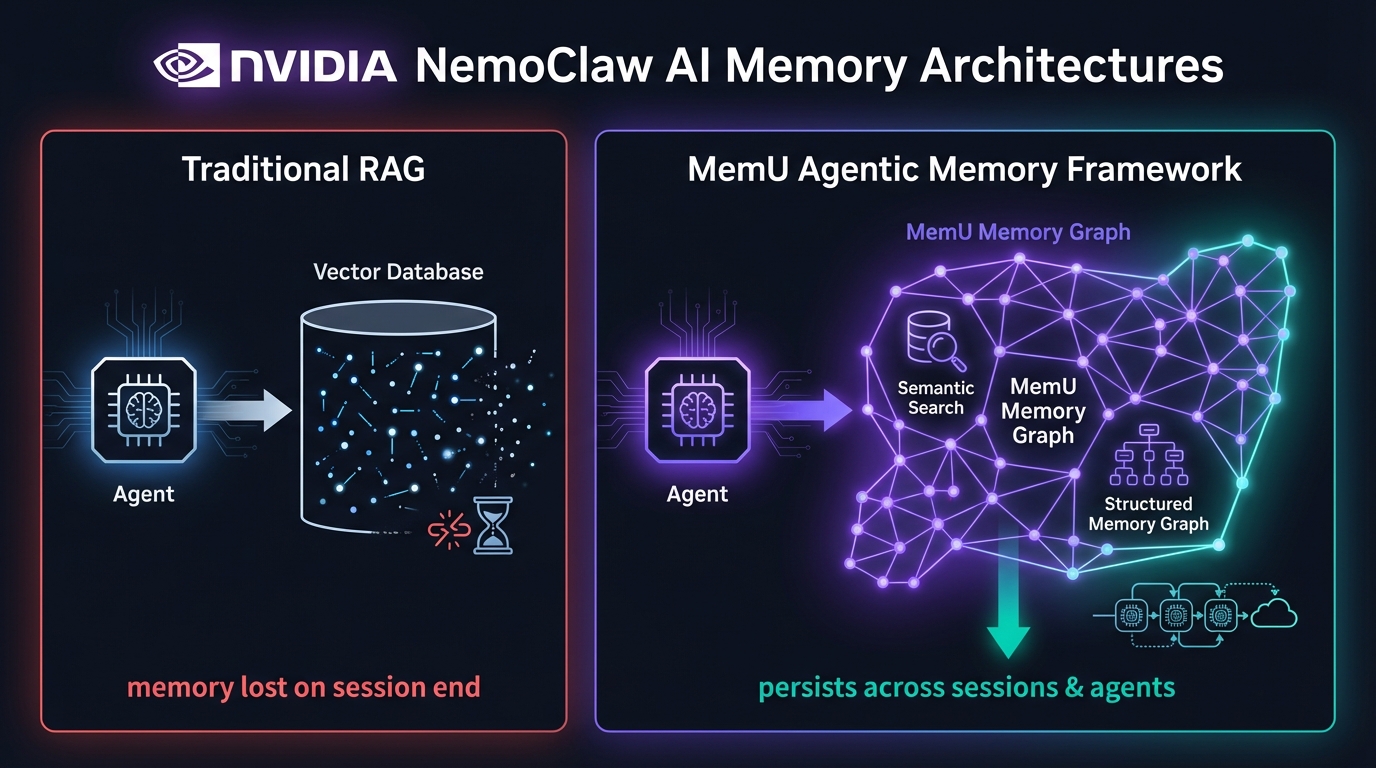
Most modern AI tools suffer from chronic amnesia. Every time you open a fresh chat window, you are forced to re-explain your entire architecture, team dynamics, and immediate priorities as if you just met. It is exhausting. Tech giants love to pitch these stateless models as hyper-intelligent assistants, but real engineering work spans months of shifting obligations, scattered codebases, and evolving decisions. If an agent cannot remember what happened last Tuesday, can it actually help you today?
Solving this requires moving past simple vector search and raw token storage. NVIDIA recently showed an approach using NemoClaw to build a memory-driven Chief of Staff that relies on a human-readable knowledge layer called a self model, maintaining a clean Markdown hierarchy tracking people, projects, and working patterns instead of drowning in an endless, unstructured sea of chat logs where background jobs periodically ingest new activity.
The secret sauce isn't the underlying LLM; it's the strict separation of evidence and derived knowledge. Inevitably, raw chat transcripts stay untouched as immutable evidence, while a SQLite ledger tracks active obligations, rankings, and user corrections, ensuring that when things go wrong – and they do – you can instantly pinpoint whether the failure stemmed from flawed reasoning or faulty source data.

We need to stop treating AI as a magical oracle. That means enforcing strict security boundaries, allowing human operators to easily correct bad agent decisions, and prioritizing long-term user intent over short-term hype so that agents finally transition from neat party tricks into genuinely useful tools that respect your time.









