When Governments Ban Bitchat: The Terrifying Normalization of Protocol Censorship
India’s purge of Jack Dorsey’s Bitchat marks a dangerous evolution in digital control. We aren't just blocking speech anymore; we're criminalizing the very right to connect offline....

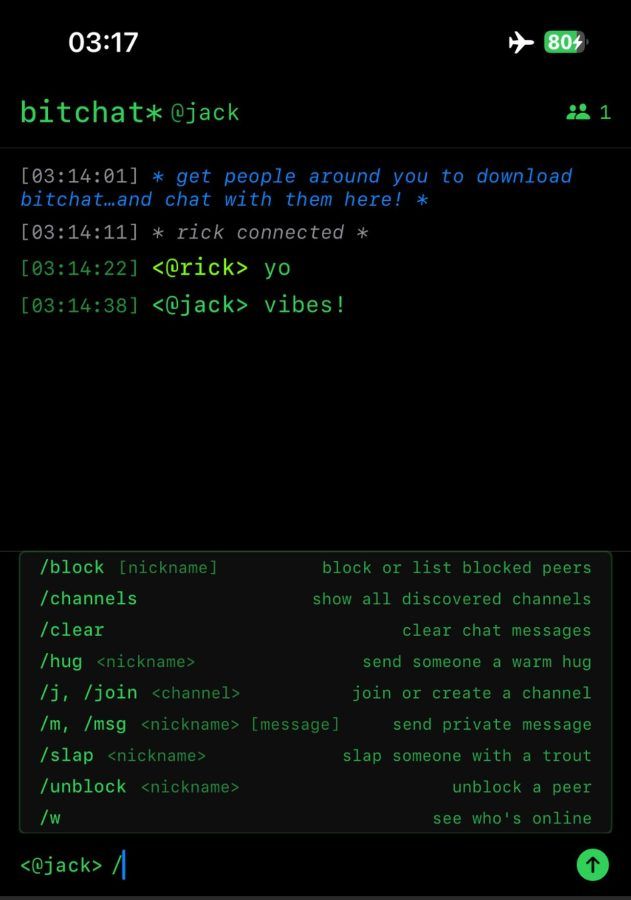
Governments have always tried to control the conversation. Now, they are going after the underlying physics of communication. Jack Dorsey’s Bitchat – an open-source, decentralized messaging tool relying entirely on Bluetooth mesh architecture rather than cellular towers or traditional internet infrastructure – has officially vanished from Apple and Google app stores across India. New Delhi didn't just issue a polite request. They leaned on Section 69A of the IT Act, hammering down an official blocking order while internet providers simultaneously severed access to the project's web domains. This isn't moderation. It's infrastructural panic.
The official rationale is as predictable as it is chilling. Authorities previously targeted GitHub repositories for the software because its peer-to-peer design bypasses centralized servers, meaning law enforcement can't easily intercept traffic or track users in real time. Let that sink in for a moment. They hate the app precisely because it functions during internet shutdowns. When youth-led protests flared up in New Delhi over contested voter rolls and authorities predictably chopped off local cellular signals, mesh tools suddenly became the only lifeline for organizers. The state doesn't just want a kill switch for the web. They demand a monopoly on proximity itself.
Digital rights groups are calling the move unconstitutional, pointing out the glaring legal stretch of using a law meant for unlawful content to outlaw an entire class of protocol. But let's be real about power dynamics. Bureaucrats don't care about constitutional gymnastics when their grip on the narrative slips. They see software that refuses to acknowledge centralized boundaries and they panic. By forcing tech monoliths to pull the binaries, regulators are establishing a terrifying precedent: building tools that operate outside state-managed pipelines is now treated as an inherently subversive act.
This should alarm every single person who writes code, builds networks, or cares about resilient systems. We're watching the soft boundaries of the internet harden into digital checkpoints where every packet must bow to the local sovereign. If writing software that lets two human beings talk to each other via radio waves without asking permission from a telecom giant becomes illegal. We aren't building the future anymore. We're just coding inside a panopticon.