OpenAI Dumps 372 AI-Generated Math Proofs and Misses the Point of Truth
OpenAI just dropped hundreds of machine-verified math proofs onto GitHub, daring academia to keep up. But industrializing mathematical truth completely misses why discovery matters....
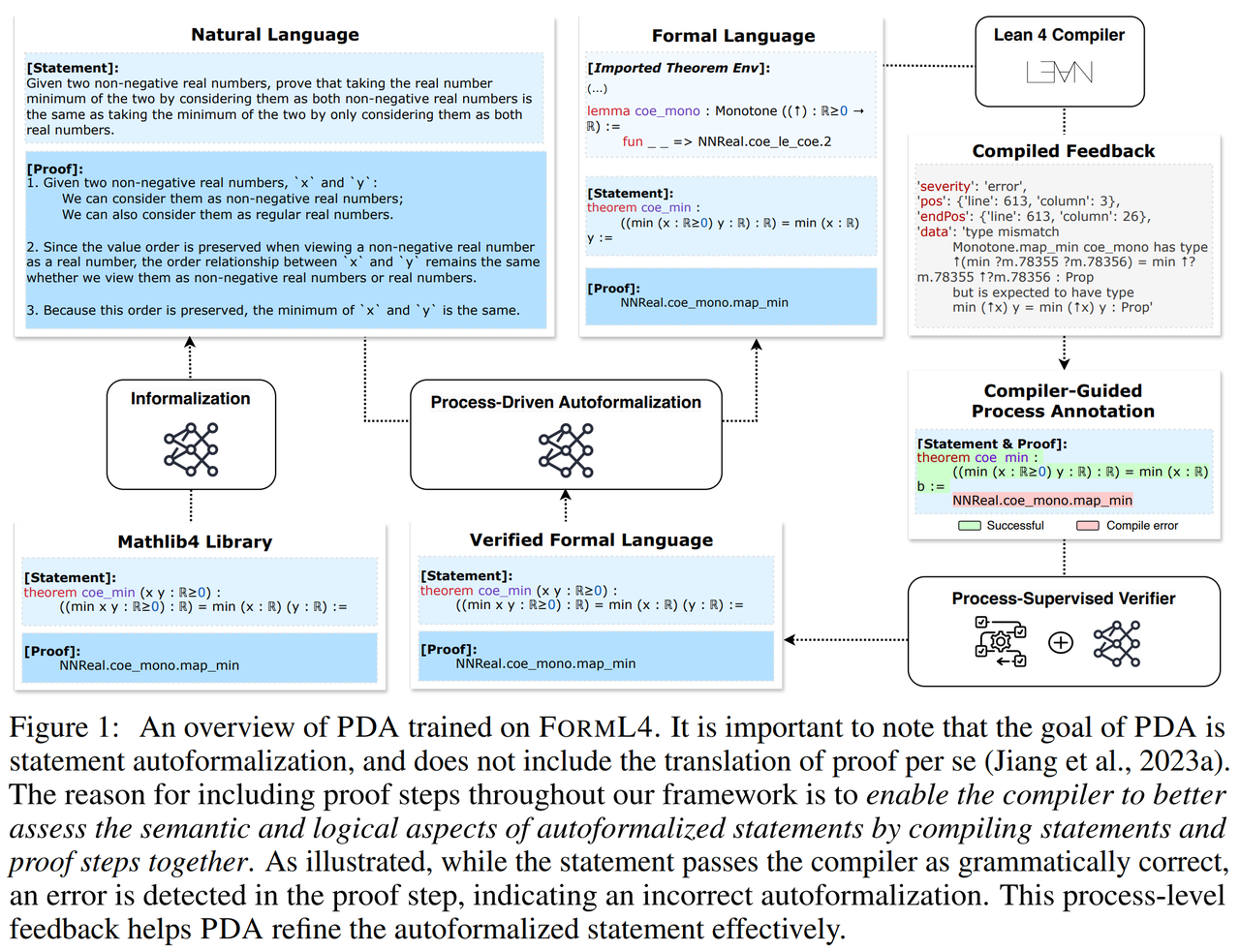
OpenAI just dumped 372 AI-generated math proofs onto GitHub. Let that sink in. They aren't sharing neat little notebooks or conceptual breakthroughs. They are shoveling machine-verified Lean formalizations directly into public repositories, effectively daring the academic world to keep pace with a compute-heavy firehose. Each one took about three hours of heavy-duty ChatGPT Pro horsepower to grind out. It's loud. It's designed to grab headlines. And honestly? It feels entirely hollow.
For decades, math has been a deeply human struggle. It's messy. It involves dead ends, intuition, decades of quiet contemplation, and the agonizing beauty of not knowing how the puzzle pieces fit together until they finally snap into place. When you turn that sacred, difficult process into a brute-force manufacturing line powered by massive clusters and three-hour generation loops, you aren't elevating the discipline. You are just spamming the system.
Unsurprisingly, twenty-five Fields Medal winners aren't popping champagne. Instead, they are sounding urgent alarms. They understand something the Silicon Valley hype machine refuses to acknowledge: mass-producing mathematical truths might actually destroy the fertile, messy ground where genuinely new ideas take root.
True progress doesn't come from a sheer volume of verified outputs. It comes from the human comprehension that lives between the lines. Craftsmanship isn't about hitting production quotas. Whether you're writing code, building software products, or wrestling with abstract topology, the value is in the journey of understanding. If we hand every hard question over to a server farm just so we can flex GitHub stats, we aren't advancing human knowledge. We are just outsourcing our curiosity.
At some point, we have to ask ourselves what we're actually boosting for. Are we building tools to expand human capability, or are we just flooding the digital commons with synthetic noise because we have spare compute to burn? Look, give me a single, hard-won human insight over three hundred automated proofs every single day of the week.