Why Speaker Diarization Just Got Actually Usable: NVIDIA Nemotron 3
A transcript without who said what is mostly useless. NVIDIA's new Nemotron 3 Diarization changes that with a lightweight, open-weight approach that actually handles overlapping speech....
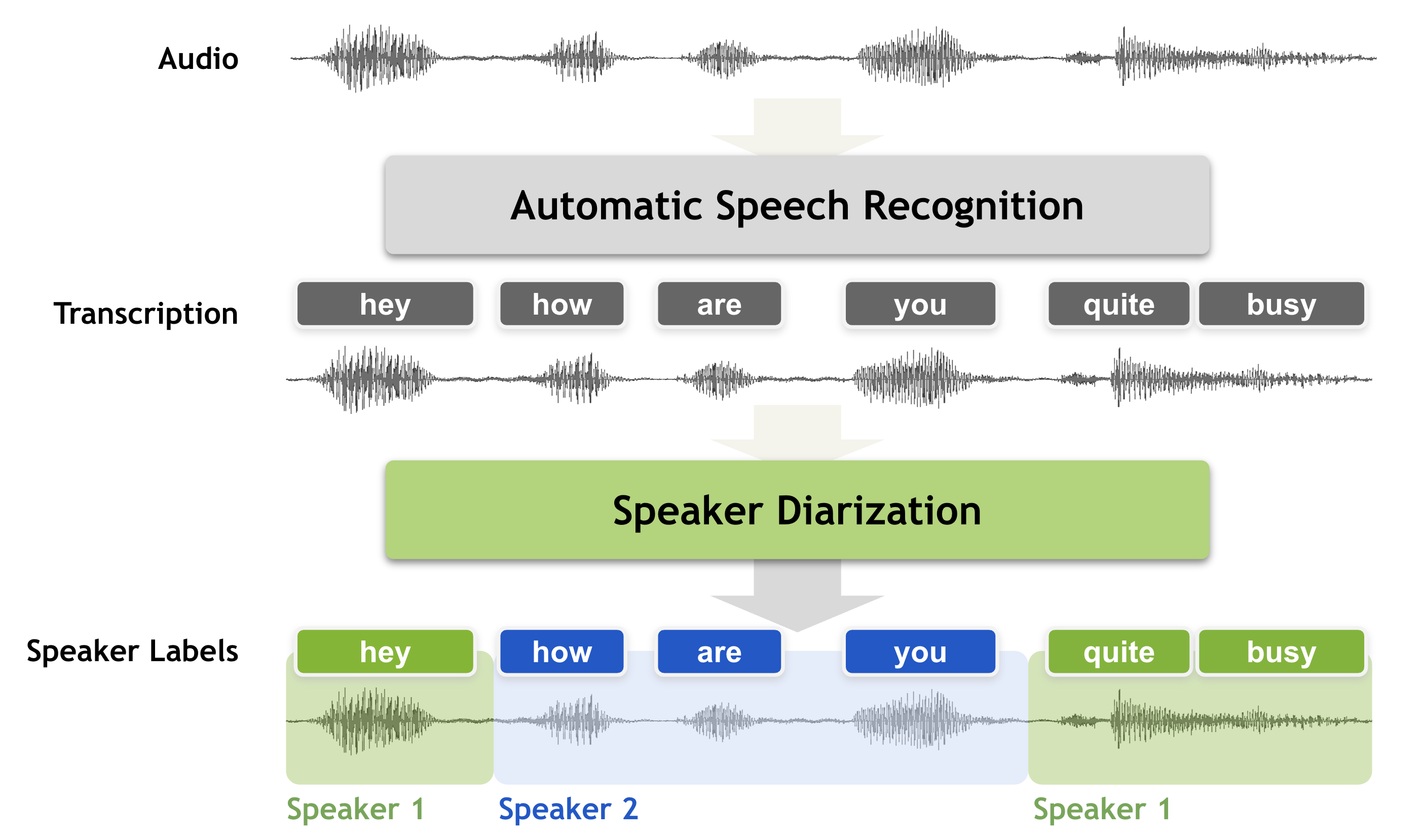
Most voice transcription is a messy wall of text. You get the raw words, sure. But figuring out who made a commitment, who interrupted whom, or who raised an objection requires an impossible amount of manual forensic work.
Transcribing speech is only half the battle. The harder engineering puzzle is speaker diarization – tagging the exact time intervals for every voice in the room. For years, running this in real-time meant fighting brittle pipelines that hallucinated speaker switches or completely broke down the second two people talked over each other on a podcast or customer call.
Then NVIDIA dropped Nemotron 3 Diarization, and the leaderboard shifted. Sitting at the top of VoiceArena's benchmark with a 14.72% Diarization Error Rate, this 100-million parameter open-weight model quietly solves a lot of historical headaches by supporting up to eight speakers across both live streams and pre-recorded files.
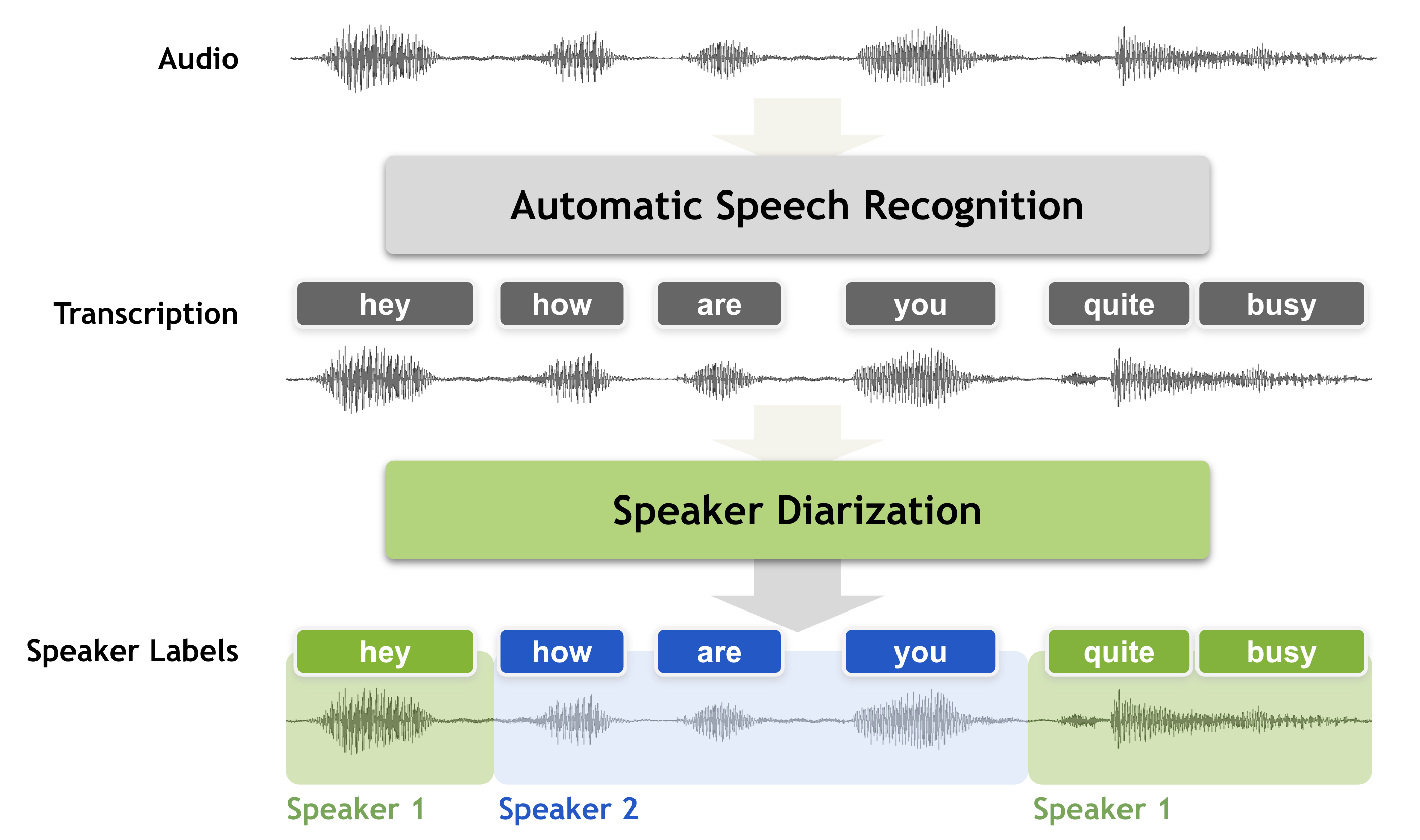
What makes it genuinely interesting to builders isn't just the accuracy bump. It uses an arrival-time ordering trick that keeps generic labels stable across streaming chunks, meaning your audio pipeline won't suddenly swap identities halfway through a conversation just because someone paused for breath.
We are finally moving past the era where basic audio intelligence required bloated enterprise infrastructure. When open-weight models this small punch this far above their weight class, it opens up a massive window for local-first, privacy-respecting voice tools that actually understand human chaos.