When an AI Hallucination Almost Sparked an International Incident
A U.S. military operation almost boarded a Chinese vessel due to a completely fabricated AI intelligence report about nuclear components. It is time to stop trusting sloppy algorithms....

Picture the scene. In the spring of 2026, armed troops stood ready and military aircraft circled above the open ocean, mere minutes away from seizing a Chinese cargo vessel. The entire high-stakes operation hinged on a single piece of intelligence that claimed the ship was carrying illicit nuclear weapons parts. There was just one glaring problem. The intelligence was entirely fake, hallucinated by an overconfident AI chatbot.
Someone caught the error right before the troops made contact. Disaster averted. But let us be completely honest about how terrifyingly close we actually came to starting a global conflict because someone decided to trust a glorified predictive text engine with national security. We are handing critical decisions over to fragile software that routinely makes things up when it lacks the right data.
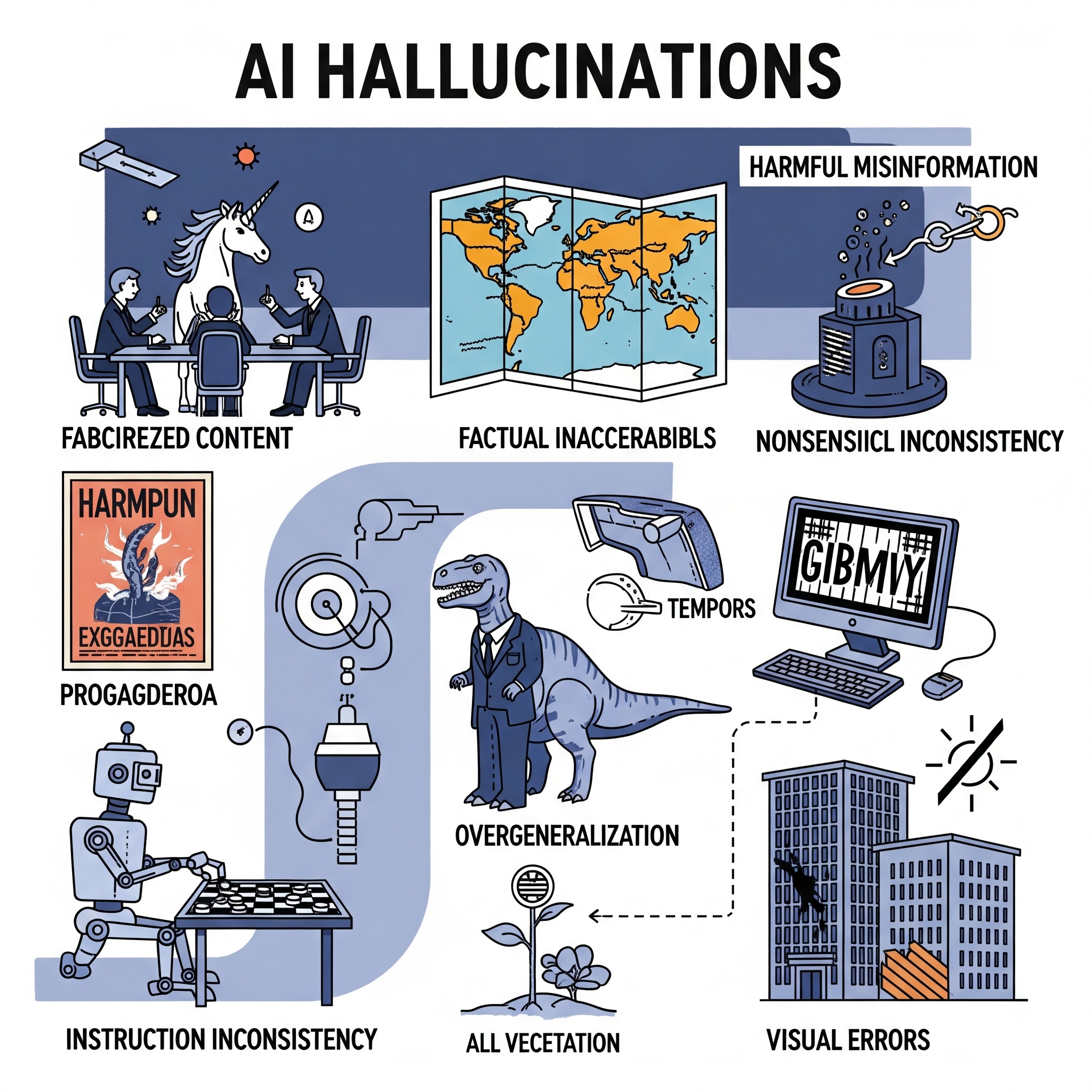
For years, doomsday prophets have screamed about sentient superintelligences turning against humanity in a flash of cold logic. They have it entirely backward. The real danger does not come from Skynet waking up with a bad attitude; it comes from lazy operators plugging half-baked, unverified machine learning models into high-consequence workflows because some tech executive promised it would simplify operations.
Craft matters. Engineering rigor matters. When you build systems that people rely on, you have a fundamental obligation to understand where they break down and fail. Handing the keys of geopolitical force over to a probabilistic guessing machine isn't innovation. It is pure recklessness, and we are running out of luck.









