Grabette: Rethinking Robot Data Collection Without the Robots
Robot learning has a massive supply problem, but a new open hardware tool proves you don't even need a robot to collect training data....
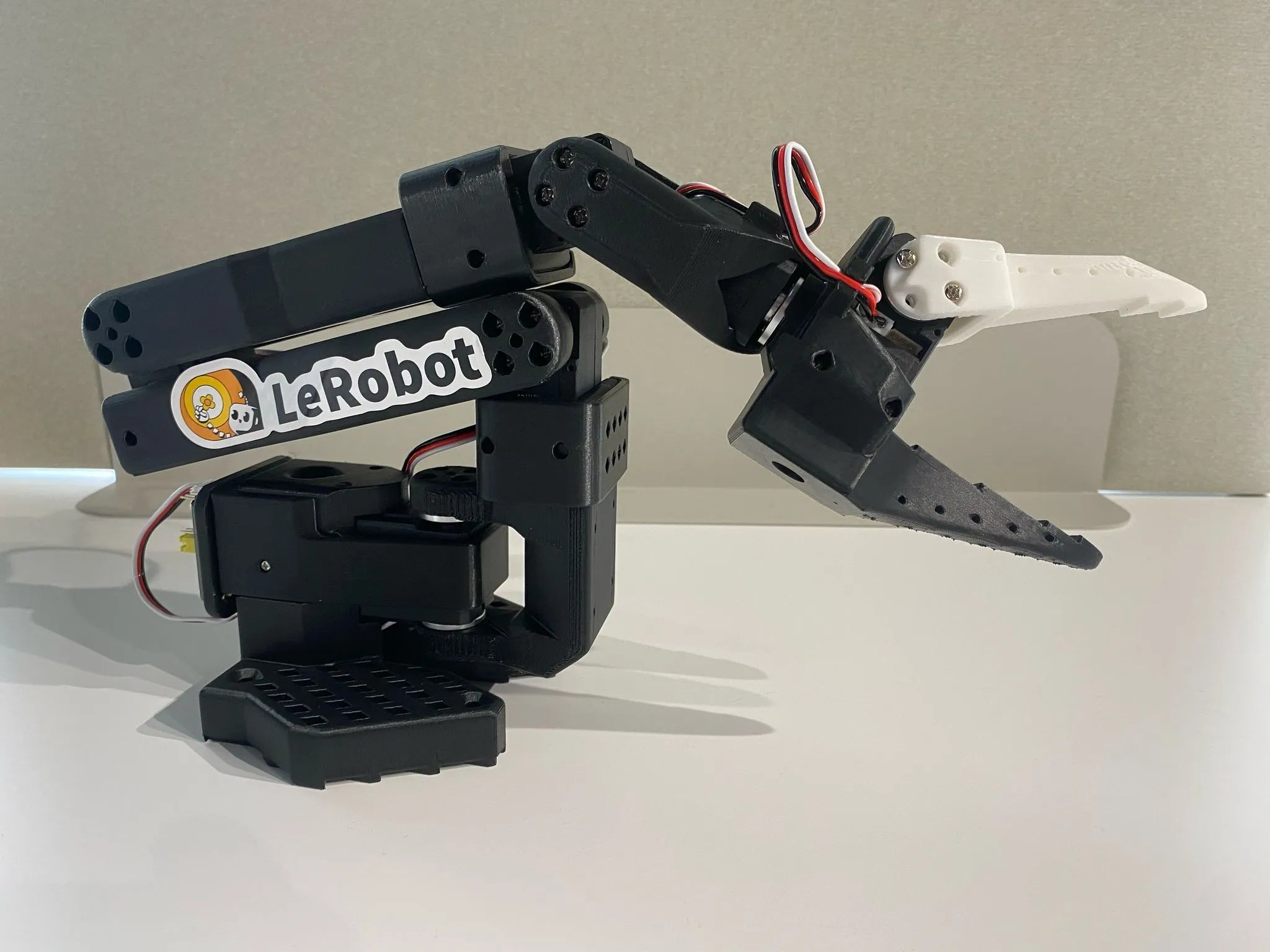
Robot learning has a dirty secret. We have the transformer architectures, the massive compute clusters, and enough flow-matching policies to make your head spin. What we are completely starved of is real-world manipulation data. Training these models demands millions of diverse interactions, yet gathering them traditionally means buying expensive robotic hardware, setting up clumsy teleoperation rigs, and burning countless hours on tedious collection runs that simply refuse to scale.
That bottleneck might finally shatter. Enter Grabette, an open-source, handheld capture device that completely bypasses the hardware requirement by letting humans record demonstrations directly with their own hands. Instead of wrestling with a multi-axis arm to teach a machine how to pick up an object, you just pick up a cheap physical instrument, perform the task naturally, and let the system translate your hand's 6-DoF trajectory into clean, robot-ready training datasets.
This approach leans heavily on the proven genius of Stanford's Universal Manipulation Interface, stripping away the proprietary friction that usually guards advanced robotics research. By pairing a wide fisheye lens for context with an RGBD camera for rock-solid tracking. The design does the heavy geometric lifting. On that note, while keeping the physical footprint minimal enough to build on a standard workbench.
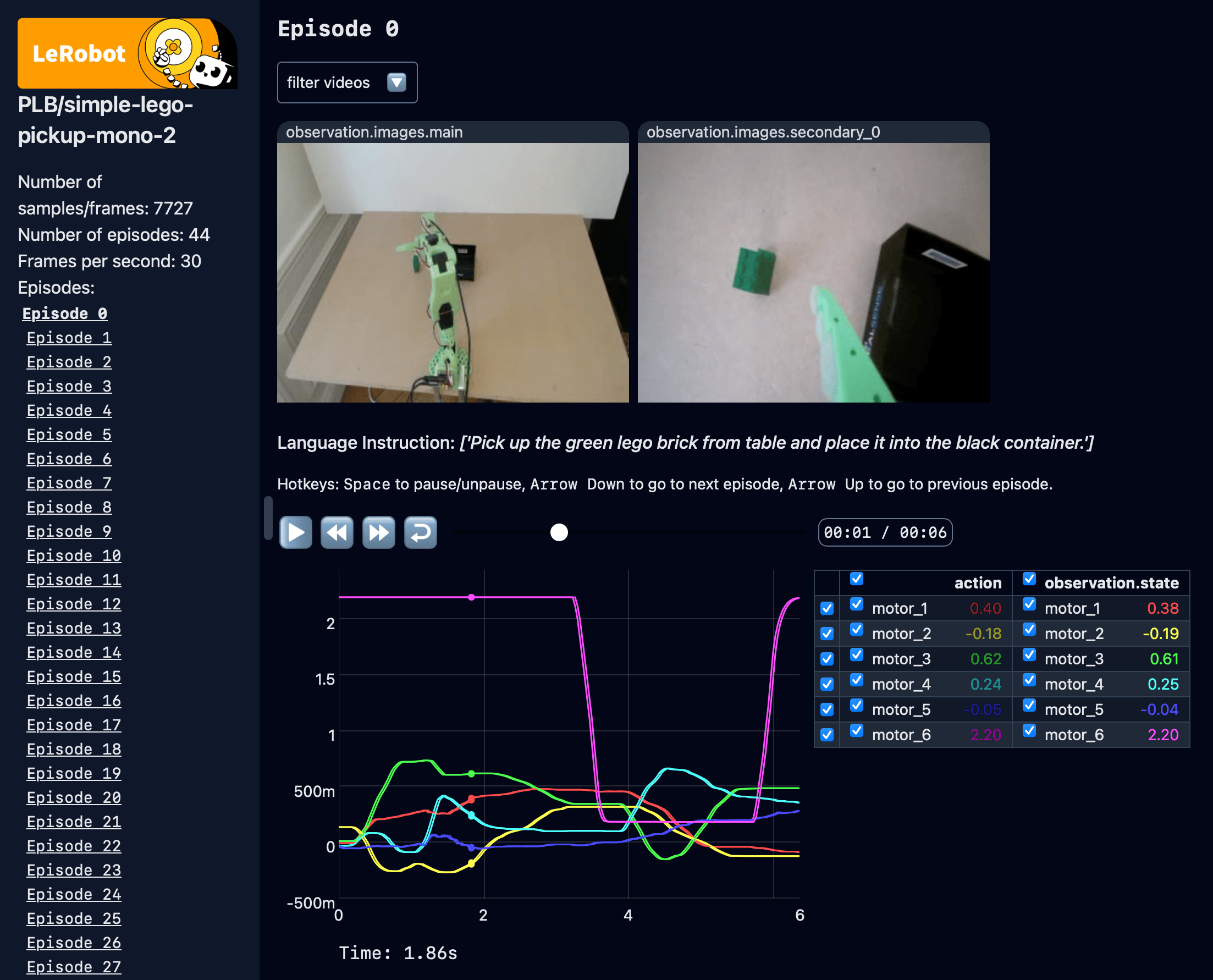
What excites me most isn't just the hardware specs — but the ecosystem play here. When data collection becomes as frictionless as shooting a video on your phone, distributed group help finally becomes realistic. Exactly. Tie that straight into modern pipelines like LeRobot and Hugging Face, and you suddenly have a blueprint for open, collaborative robotics datasets that no single walled-garden lab could ever build alone.