Why Private Fitness Trackers Are Winning Back Indie Builders
Fed up with corporate health ecosystems and cloud-synced biometrics, developers are turning to local-first fitness trackers that prioritize data sovereignty over ad profiles....

The modern consumer health stack has an accountability problem. Every step, heartbeat, and sleep cycle harvested by mainstream wearables like Samsung Health or Fitbit inevitably finds its way onto corporate servers. While tech giants pitch this cloud integration as a seamless convenience, it introduces an unnecessary layer of risk. Users are forced to blindly trust that massive enterprises will secure sensitive biological data against breaches, subpoenas, and monetization experiments.
This friction is driving a quiet rebellion among tech enthusiasts and independent builders who prefer private fitness trackers. Devices that process metrics locally and sync strictly to a physical handset offer a refreshing alternative. By cutting the cloud out of the equation, these hardware choices restore true data ownership. Your resting heart rate belongs to you, not an algorithm training a corporate AI model or feeding targeted pharmaceutical ads.
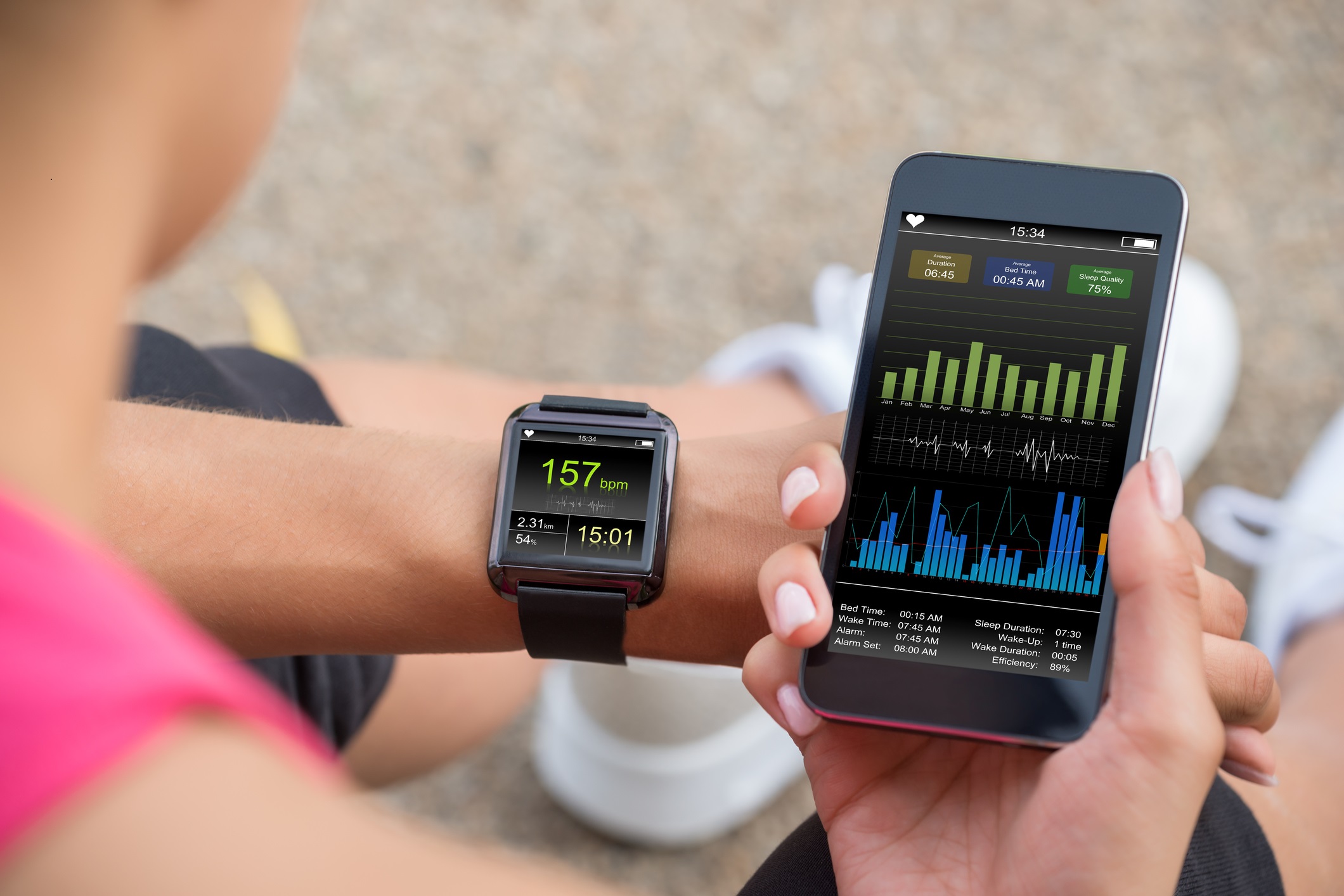
Beyond the obvious privacy benefits, local-first hardware often sidesteps the bloated software design plaguing modern smartwatches. Instead of overwhelming dashboards filled with endless corporate upsells and gamified stress scores, open ecosystems keep the interface clean and functional. They treat health tracking as a personal utility rather than a behavioral engagement loop, proving that good engineering values user autonomy over retention metrics.
Building hardware and software that respects user boundaries requires a deliberate, uncompromising approach to architecture. At Xetarev Studio, we partner with founders who want to build secure, independent digital products from the ground up.









