Why Unity's Official Plugins for Claude Code and OpenAI Codex Change the Game
Unity is stepping up with official plugins for Claude Code and OpenAI Codex, finally saving developers from hallucinating AI agents and stale forum threads....

If you have ever tried letting an LLM write a Unity script, you already know the profound, agonizing pain of legacy code. Models love to pull syntax from dusty forum posts written back when Unity 5 was latest. The code compiles. It looks completely fine. Then you hit play, and your entire character controller tunnels straight through the floorboards like it is possessed.
That's why Unity releasing official plugins for Claude Code and OpenAI Codex is actually a big deal, rather than just another corporate AI press release to dump into the news cycle. Instead of letting general-purpose models guess how to use the Universal Render Pipeline or set up navigation meshes based on decade-old docs. These plugins give coding agents a direct feed of maintained skills curated by the people who actually build the engine.
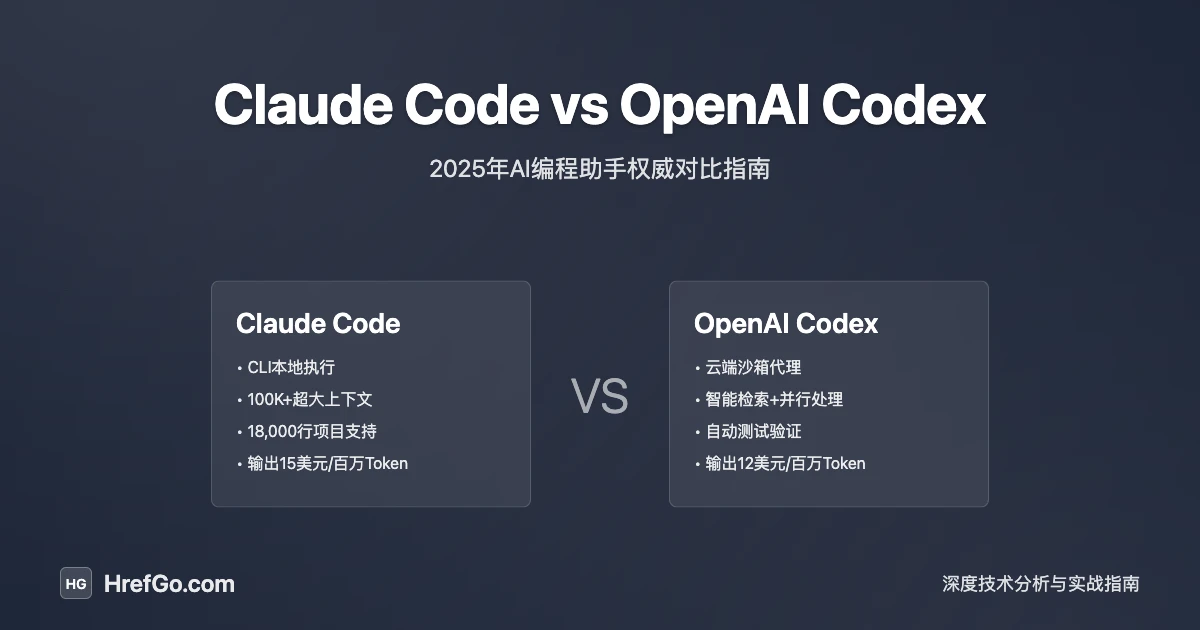
The Codex implementation drops with over thirty distinct competencies right out of the gate, covering everything from audio to complex multiplayer setups and UI scaffolding. One click in the directory or a quick npm install later, and your agent stops relying on whatever SEO-optimized spam it found on Stack Overflow three years ago. [IMAGE] And your agent stops relying on whatever SEO-optimized spam it found on Stack Overflow three years ago. [IMAGE]
This shift matters because game engines are uniquely punishing beasts. They require precise architectural decisions, strict lifecycle ordering, and a deep understanding of constantly shifting graphics pipelines. A generic text generator simply cannot keep pace with modern engine updates unless it has structured. Reliable guardrails baked directly into its toolchain.
We're watching a fundamental transition in how software gets built. As tools like Blender, specialized 3D generators, and these new Unity integrations start letting language models directly manipulate complex apps, the quality of the underlying context layer becomes everything. Hype is cheap, but having a clean API for an agent to talk to the engine is how real work actually gets done.