Hard Drive Reliability: What 400,000 Drives Teach Us About Who Actually Builds Better Silicon
A massive study of over 400,000 hard drives reveals that manufacturer pedigree matters way more than age when it comes to long-term hardware survival....
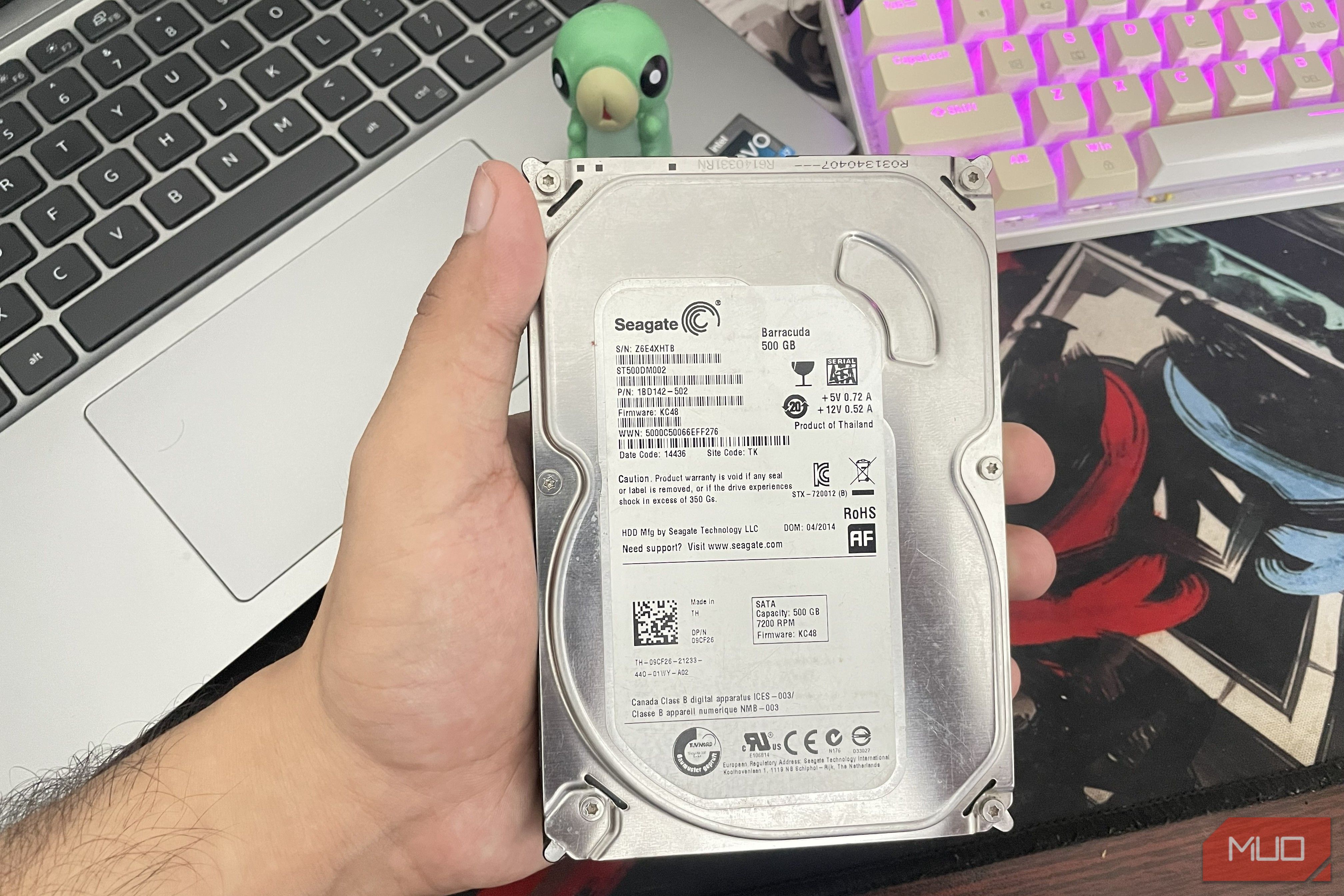
Spinning rust refuses to die. While modern flash storage bleeds enterprise budgets dry with wild price fluctuations, bulk data demands keep mechanical hard drives surprisingly relevant, forcing us to ask: are we really still relying on these clumsy mechanical platters in an era of pure silicon when a massive new econometric analysis of over four hundred thousand hard drives completely resets our expectations by shattering lazy assumptions about bulk storage reliability?
Economists Christoph Siemroth and Yeomyung Park dug deep into Backblaze's legendary daily dataset – tracking over 1.66 million drive-years across four major manufacturers like HGST, Western Digital, Seagate, and Toshiba. While controlling for operating temperatures and capacity footprints to isolate brand lineage as the true variable of interest, proving that engineering discipline matters far more than promo hype.
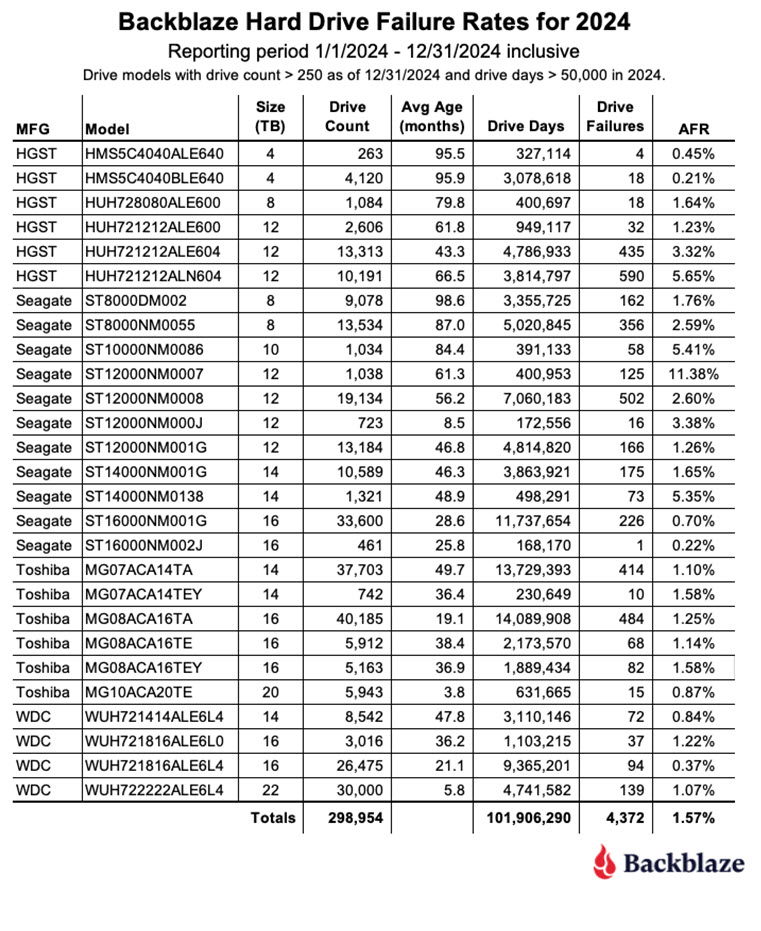
Setting Seagate's adjusted failure rate as the baseline reveals stark realities about engineering competence, because Toshiba actually edges them out for worst performance at 107 percent, whereas Western Digital cuts that baseline risk in half while HGST dominates entirely and simply refuses to break down.
While Toshiba hardware plays a long game of betrayal by behaving nicely for half a decade before finally spiking past Seagate in catastrophic failures, seagate units throw tantrums early in their lifecycles before stabilizing into a predictable plateau. Boring. Western Digital and HGST maintain a quiet, predictable reliability profile across all operating years because meticulous attention to detail is always beautiful in base.
Craft wins. Check the badge.