Navigating the Complex Realities of AI Bioresilience
Big labs are finally talking about bioresilience, but keeping powerful tools out of the wrong hands requires more than corporate safety theater....

Every time a major lab drops a whitepaper on bioresilience, I brace myself for a heavy dose of PR spin. The narrative usually writes itself: fearless tech giants single-handedly saving humanity from tomorrow's plagues using miraculous algorithms. Yet the underlying tension is real. As frontier models get sharper at parsing genetic sequences and predicting protein structures, the attack surface expands right alongside the defensive toolkit. For the most part, we're careening toward a strange timeline where the exact same neural net used to cure a novel pathogen could theoretically be tweaked to synthesize one. Pretending that dual-use dilemma doesn't exist is pure negligence.
Google DeepMind and Isomorphic Labs recently laid out their joint framework for managing this exact tightrope. They're talking a big game about prevention, early pathogen detection, and tightly controlled access for trusted researchers. Honestly? Parts of it sound genuinely promising. When you look at how systems like AlphaFold changed structural biology overnight, you realize the defensive upside of these models is staggering. We can finally move past the reactive scramble of and build proactive biological shields. But technology alone won't solve a governance problem.
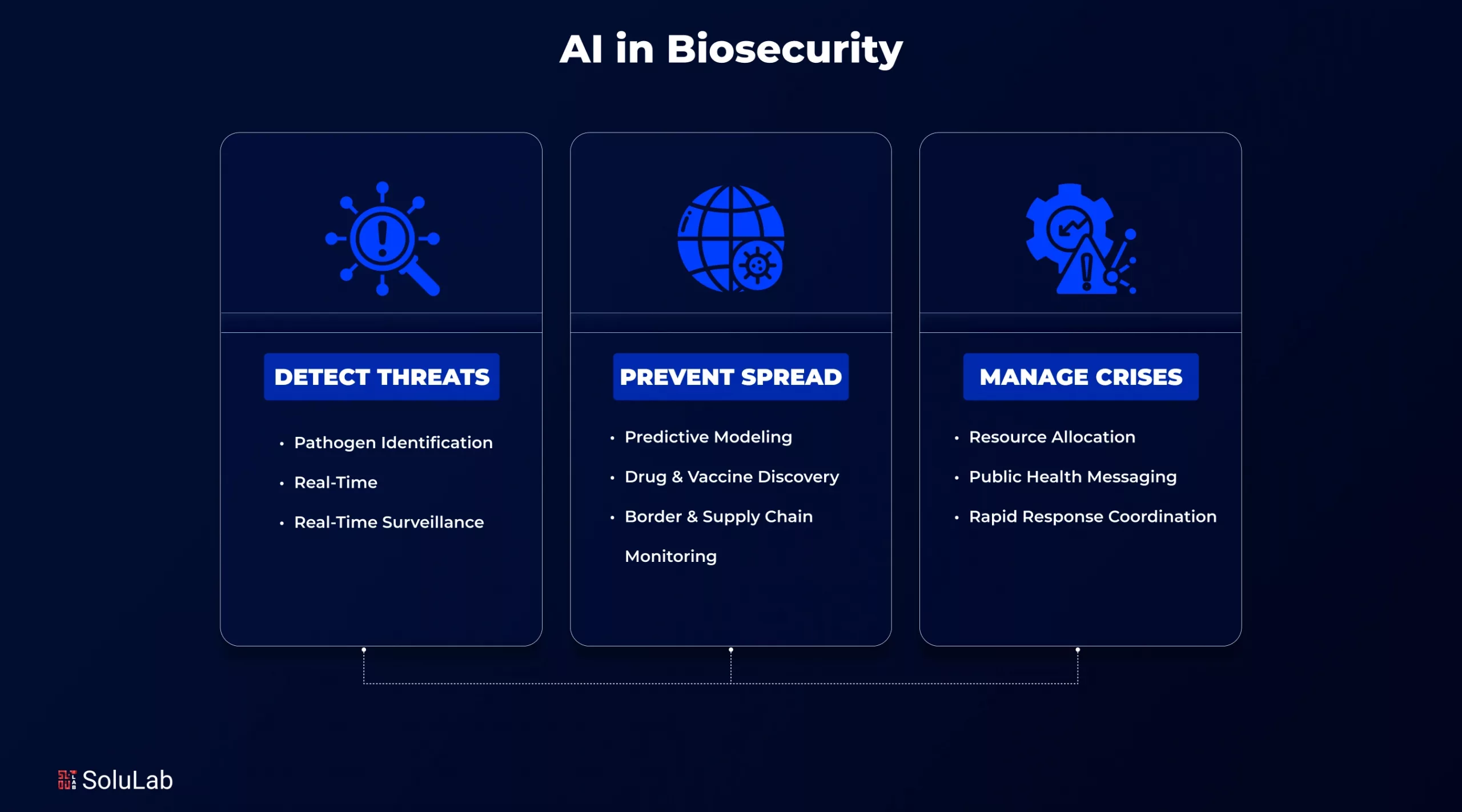
The real test of any biosecurity program isn't how smoothly it runs inside a controlled corporate sandbox. But how it holds up when proprietary code meets the messy, decentralized real world. It Watermarking DNA sequences with adaptations of tech like SynthID sounds clever on paper. Yet bad actors rarely source their genetic material through compliant, transparent commercial providers who care about watermarks. While, overzealous restrictions on open-weights models risk locking critical tools behind corporate APIs; starving independent researchers of the exact data build on they need to innovate faster than the threats evolve.
I care deeply about craft and open engineering — which is why this corporate gatekeeping makes me twitchy. Securing our biological future demands tough vetting, sure, but it also requires broad, unhindered scientific participation. We might just build a fortress that's too narrow to protect anyone if we rely exclusively on a handful of mega-labs to dictate who gets to play defender.