Chasing Shadows: What the NVIDIA Groq 3 LPX and Vera Rubin Reveal About Inference Limits
NVIDIA is throwing massive hardware at the multi-turn agent problem, hitting 3,431 tokens per second on massive contexts. But raw silicon isn't the whole story....
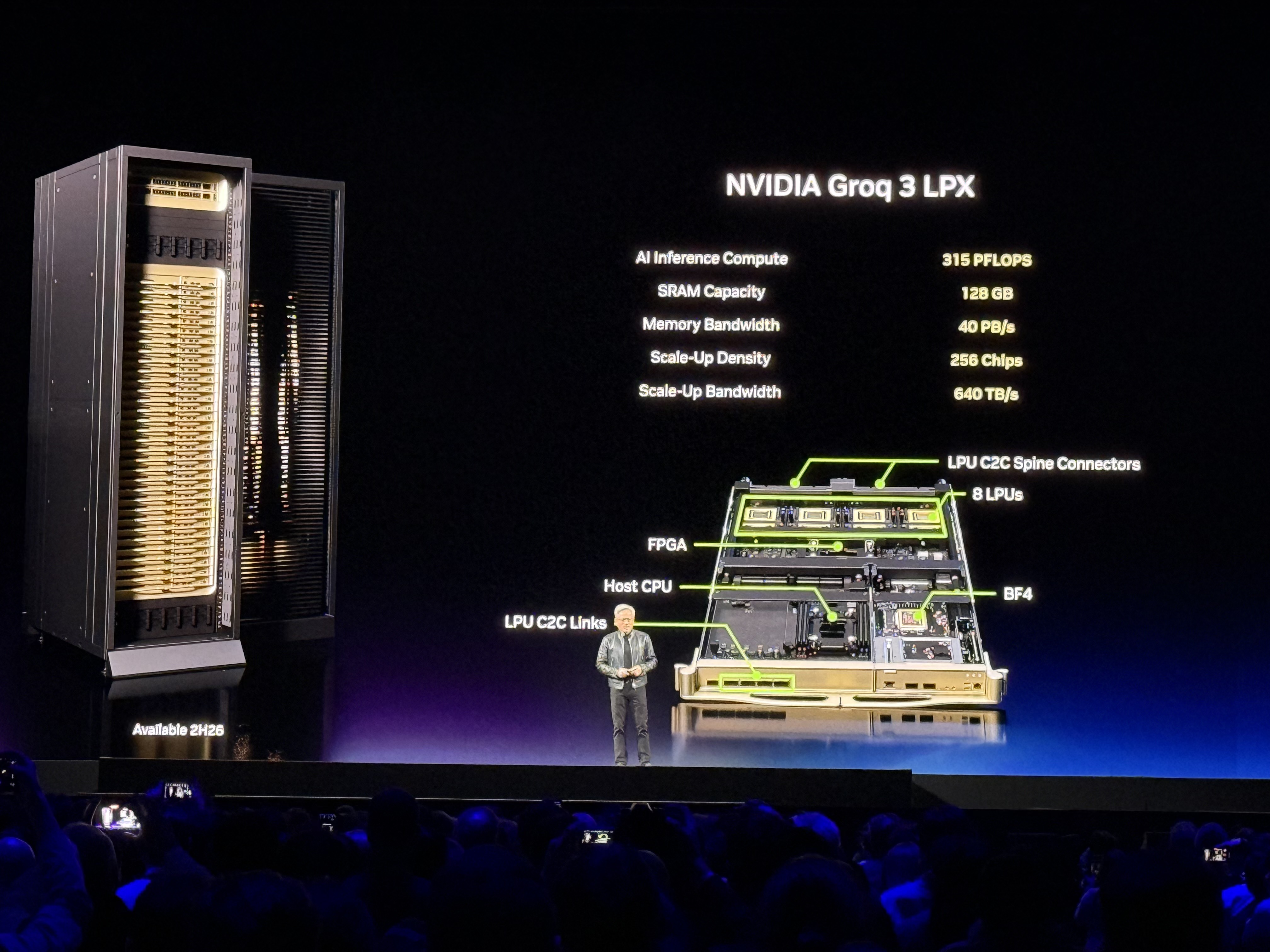
Every time I look at the latest hardware announcements, I get this familiar twitch. NVIDIA just dropped details on the Groq 3 LPX paired with the Vera Rubin NVL72 architecture, boasting a staggering 3,431 output tokens per second on Gemma 4 31B with a 100K context window. Numbers like that make your jaw drop. They promise an era where multi-agent systems run blazing fast without forgetting the plot halfway through a sprawling session. But underneath the heavy marketing gloss about AI factories and multi-trillion parameter powerhouses, there is a fascinating engineering bottleneck we need to talk about.
Think about how agents actually work. They do not just spit out a single clever answer and call it a day; they iterate, accumulate state, and drag a massive history of every prior turn right back into the context window for the next cycle. Context bloats fast. By turn fifty, your model is chewing through hundreds of thousands of tokens just to figure out what it said five minutes ago. If your inference engine crawls when the context gets heavy, your agent effectively suffers from cognitive decay. Speed matters, but keeping that context alive at a blazing pace is where most setups completely fall apart.

Here is the real kicker that the glossy whitepapers gloss over: tensor parallelism at tiny batch sizes is an absolute nightmare. When you are trying to serve a single user with ultrafast interactivity, your batch size shrinks to one. That means your distributed chips spend more time gossiping, coordinating, and shuffling tiny tensors back. Think about it. Also, forth across interconnects than they actually spend doing useful math. Beating this requires solving brutal systems-level coordination problems that brute-force throwing silicon at the wall cannot easily fix. Beating this requires solving brutal systems-level coordination problems that brute-force throwing silicon at the wall cannot easily fix.
We are watching a fascinating arms race unfold between software constraints and hardware brute force. This while chips like the Groq 3 LPX push physical limits to make long-context agentic loops viable. But the deeper challenge remains architectural. Building responsive, intelligent systems isn't just about buying the fastest accelerator on the market. It is about viewing the hidden costs of state management when every single token you generated two minutes ago has to be weighed all over again.









