Running Local Models for Issue Triage Is Finally Practical
Stop bleeding API credits on basic classification. With the right hardware and open-weight models, you can triage GitHub repositories locally for free....

June 2026 handed the tech world a brutal reminder: cloud APIs are rented privileges, not permanent infrastructure. When flagship closed models vanish overnight or face sudden throttling, anyone building serious products on top of them gets left exposed. Owning your AI stack isn't just a hipster badge of honor anymore. It's basic survival.
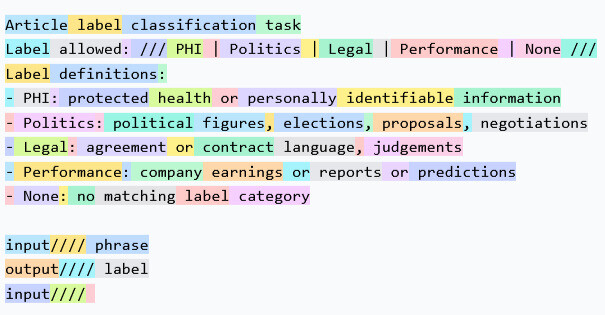
Take our workflow on the OpenClaw repository. Hundreds of issues flood in daily, demanding instant categorization before critical P0 bugs slip through the cracks. Bouncing every single incoming ticket off a pricey cloud endpoint drains your monthly quota before lunch. Batching them every few hours buys you budget safety, but it completely wrecks your real-time responsiveness. That trade-off stinks.

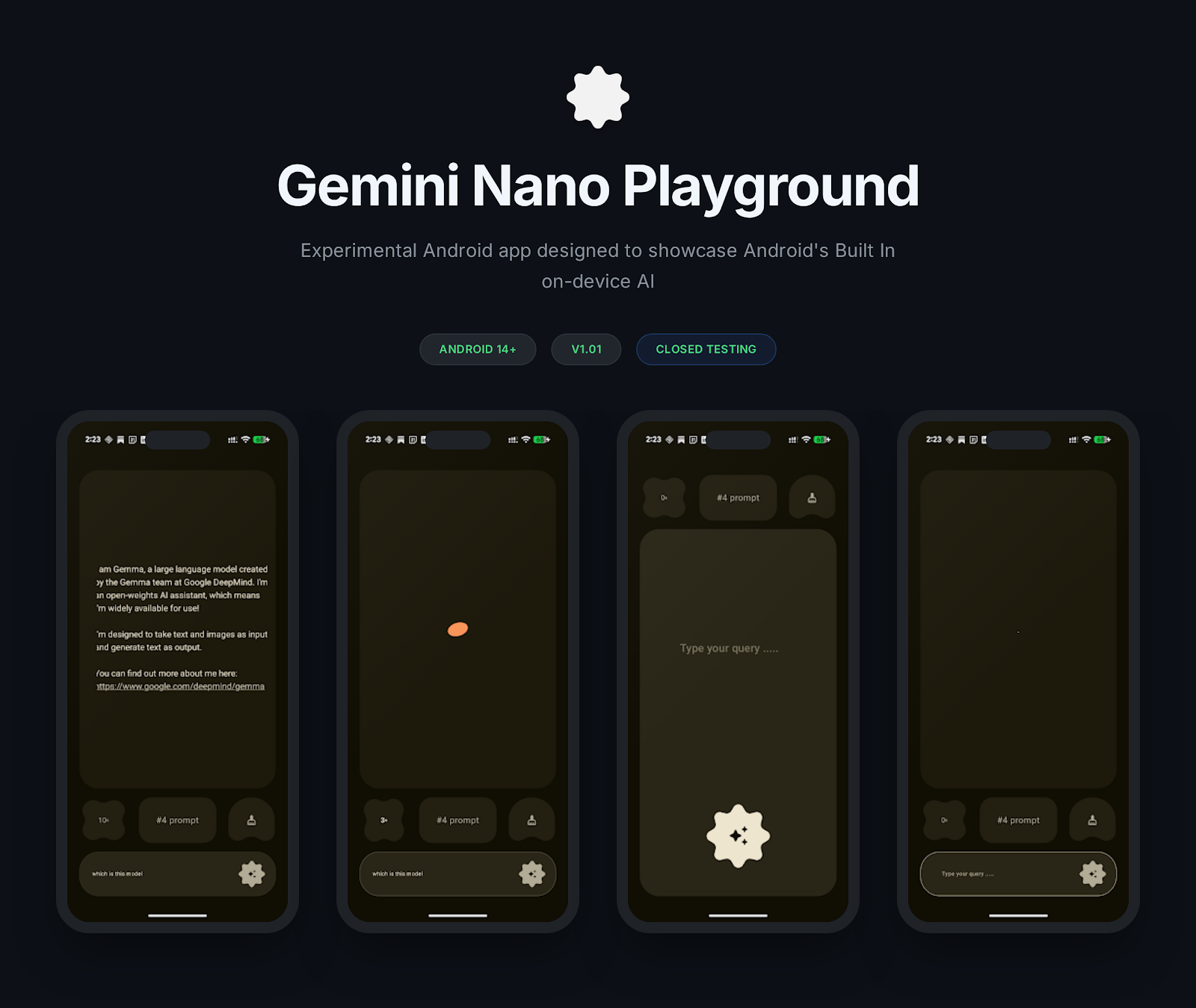
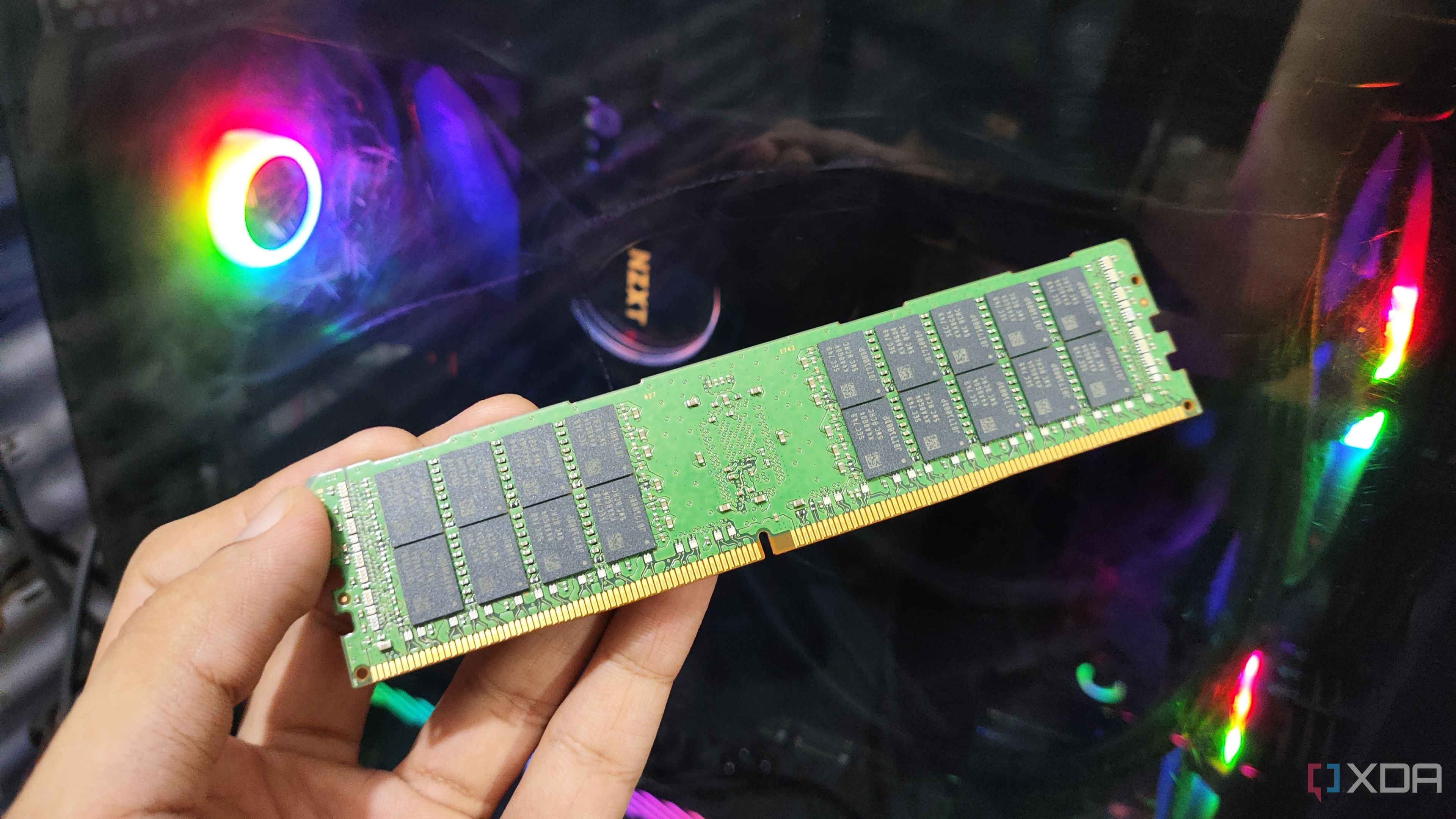
Instead, I pointed open-weight powerhouses like Gemma and Qwen at local agent use to handle triage instantly. Armed with a decent chunk of unified memory and smart structured outputs, these models chew through pull requests at blazing speeds. No cloud tokens burned. No sudden ToS changes. Just raw classification running on local silicon.
We are moving past the clumsy, rigid regex scripts of 2023. Modern local agent setups give open-source maintainers the exact same automated horsepower previously locked behind corporate API walls. Build for resilience. Own your stack.