Capcom Embraces an AI Future for Video Game Development
Capcom is charting a course toward an AI-driven development pipeline, proving that even legacy studios are bowing to the tech wave....
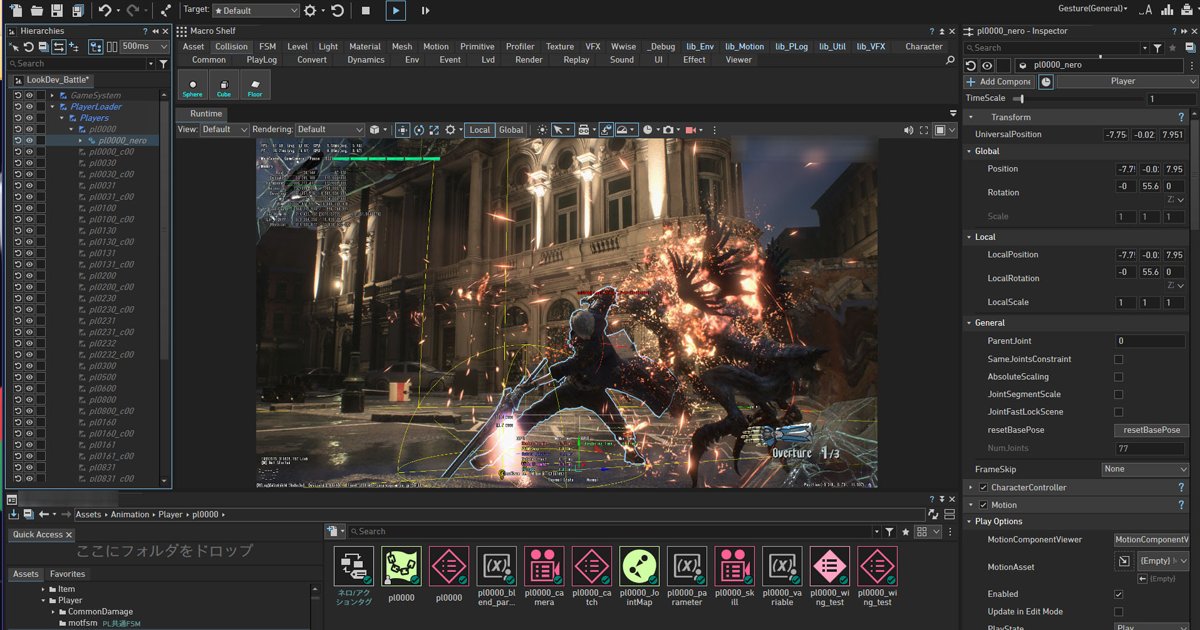
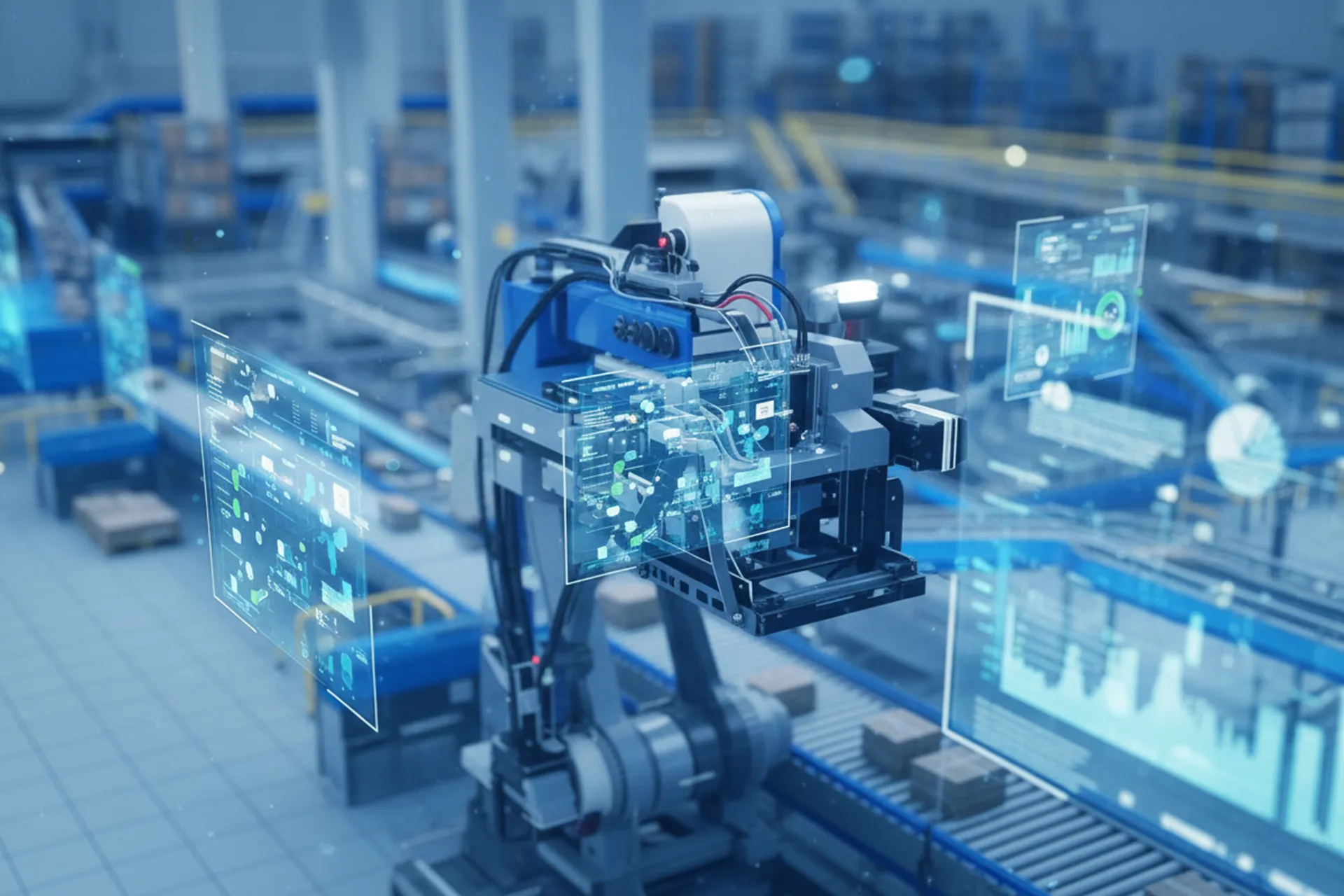
Irony is dead, and Capcom just buried it. Their upcoming sci-fi title Pragmata seemingly warns players about the dystopian perils of rogue synthetic intelligence, yet behind closed doors, management is betting the farm on that exact same technology. During a recent technical show, company engineers laid out a roadmap for integrating machine learning deeper into the RE Engine. They want automation everywhere.
Let's be honest about what is actually happening here. When legacy publishers talk about building games alongside algorithms, they aren't dreaming up brilliant digital collaborators. They are looking at shrinking profit margins, bloated development cycles that stretch past half a decade, and boards of directors who demand infinite growth. Efficiency is the real holy grail, not artistic teamwork.

I have zero problem with automation that handles the tedious, repetitive drudgery of modern output. If neural networks can reliably pack background assets, generate baseline collision meshes, or speed up tedious asset fixing, then let the silicon sweat. But there's a massive chasm between tuning and creation — and corporate executives love to pretend that line doesn't exist. Think about it — more or less.
Because when you start handing over narrative design, character blocking, and core aesthetic choices to predictive models, you strip away the exact friction that gives art its soul. Great games are messy. They are shaped by human stubbornness, accidental discoveries, and distinct individual perspectives. Strip those away in the name of scalable velocity, and you are left with hollow, procedurally generated mush.