Modal Motors and the Hard Reality of China-Free Electric Motors
Hardware startups love talking about supply chain independence, but Modal Motors is actually tackling the rare-earth magnet problem head-on....
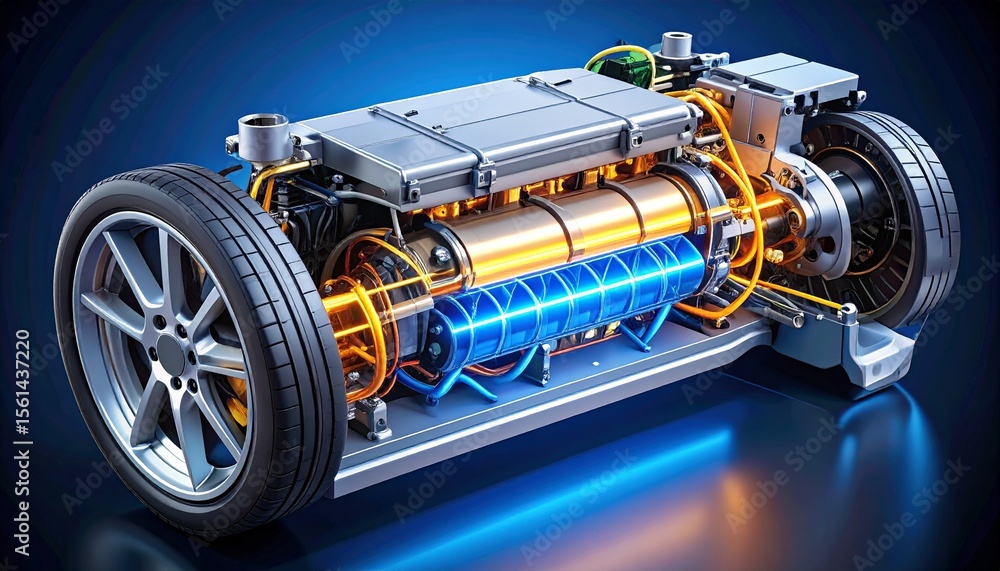
We've spent the last few decades watching a slow-motion train wreck unfold in global making. The while everyone was busy boosting software loops and chasing cloud margins, supply chains for foundational physical goods quietly concentrated in a single geography. Now, hardware builders are waking up to a stark reality. China controls (and this is key) the rare-earth minerals (to be fair). And, Magnets that power modern electronics, drones, and robotics. When geopolitical winds shift, the entire machinery of modern tech stutters. Worth noting.
Enter Modal Motors. Founded by industry veteran Michael Van Steenburg, the startup is trying to engineer a clean break by building electric motors that bypass rare-earth materials entirely. Most companies currently attempting to reshore hardware production are merely shifting assembly lines while remaining tethered to the exact same vulnerable material pipelines. They build domestic factories and pray local mining catches up. That is not resilience. That is wishful thinking disguised as strategy.
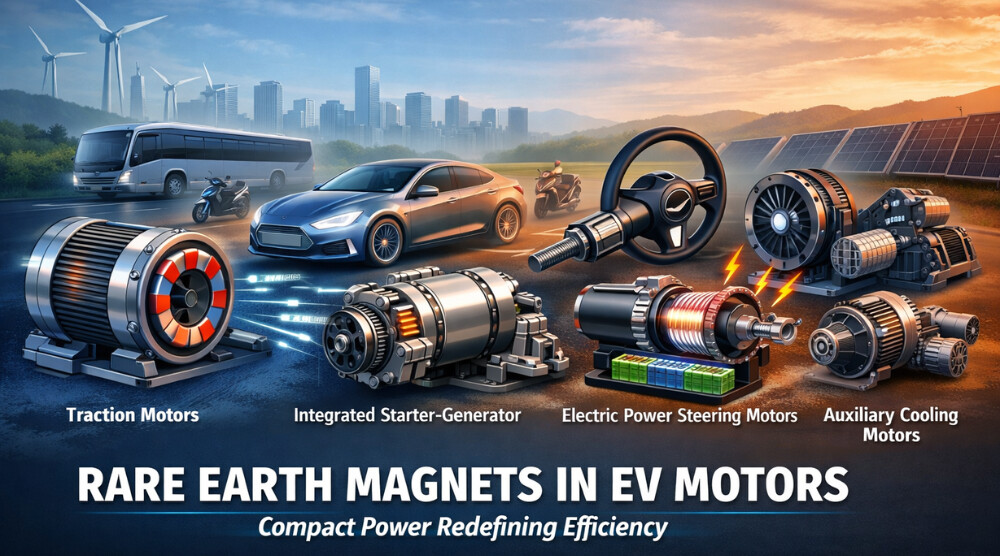
Modal is taking the harder path. By developing high-torque drone motors and flat planar designs like the Hybrid Enigma Drive without relying on restricted elements, they are confronting the structural bottleneck instead of dancing around it. It requires genuine engineering chops to strip out those powerful magnets without sacrificing torque density or thermal efficiency. [IMAGE]
This is what real craft looks like in hard tech. It easy to draft press releases about making freedom. Entirely, it's another thing to redesign key electromechanical components from first principles because you refuse to build your roadmap on quicksand. If you think about it, Van Steenburg spent twenty-five years watching the monopoly form. And he understands that true independence demands radical design changes. Not just domestic stamping plants.
We need more builders willing to tackle the unsexy, high-friction problems of physical system. Software ate the world, but the physical world still requires iron, copper. Clever physics to move. We have to respect the founders who choose to build the hard way, ditching the comfortable dependencies of the past for something we can actually sustain, if we want a resilient technological ecosystem.









