When the President Consults an AI Chatbot for War Strategy
A secret meeting, hours spent chatting with Grok, and a path straight to military targeting. We need to talk about AI in statecraft....
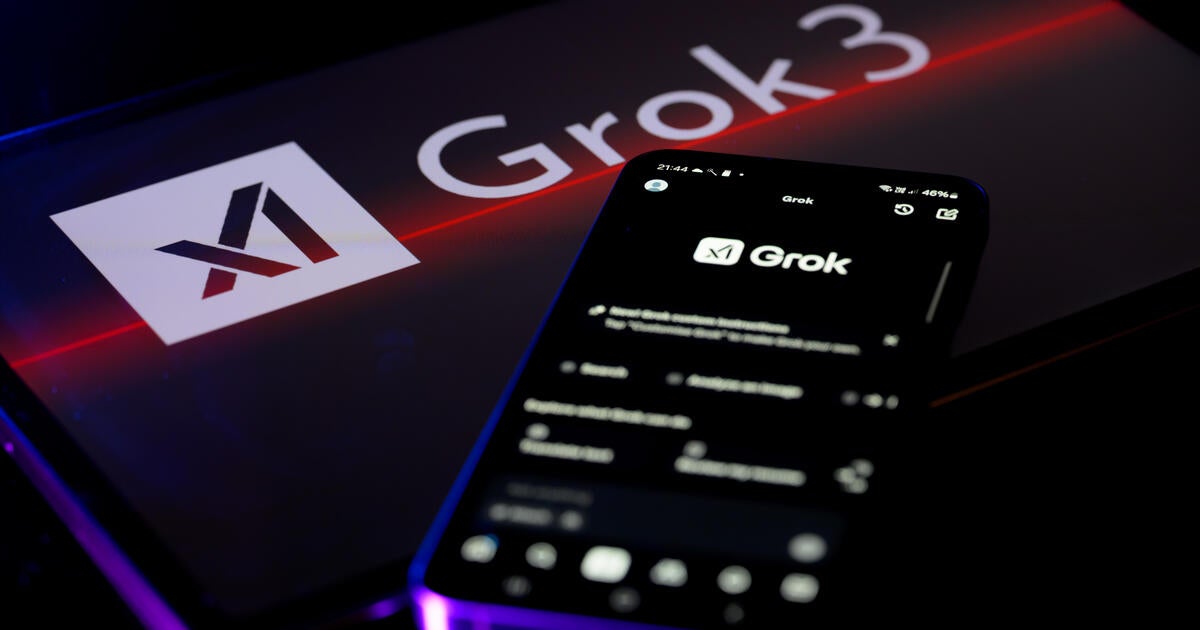
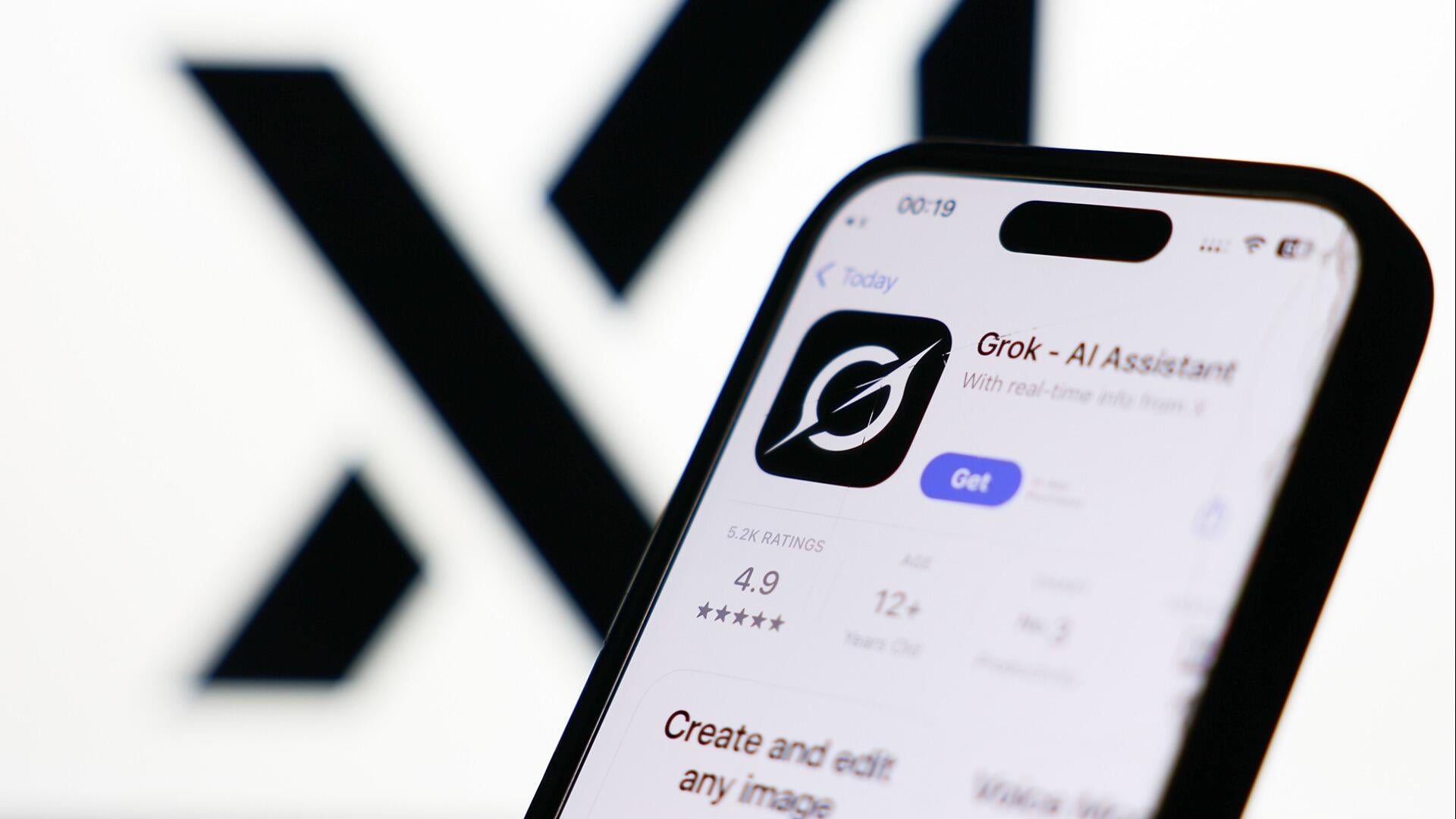
We have officially crossed the rubicon from algorithmic product tips straight into geopolitical war-gaming, and honestly, the speed of this descent is dizzying. According to recent reporting from Time, Donald Trump spent hours consulting Elon Musk's Grok chatbot — and this matters — prior to the U. S. Invasion of Venezuela. Namely probing the software on how local populations might react to the capture of Nicolás Maduro. Think about that for a second. Instead of relying solely on the CIA, the State Department, or decades of regional expertise. A sitting American president treated a stochastic parrot as an oracle of foreign policy. A sitting American president treated a stochastic parrot as an oracle of foreign policy.
To be fair, the feedback loop here is as predictable as it's terrifying! The grok allegedly diagnosed Maduro as deeply unpopular and assured the administration that his removal would spark widespread celebration. When the invasion actually happened and parts of the populace cheered, Trump walked away convinced the machine was a stroke of genius. But why? It's a masterclass in – oddly — confirmation bias wrapped in flashy tech. LLMs tell you what sounds likely. Not what's empirically true. But when you want justification for a predetermined geopolitical hammer, an agreeable AI is the ultimate yes-man.
This is no longer theoretical software engineering. By June, the Pentagon's AI leadership confirmed that a government-tailored variant of this exact model was actively deployed to strike targets during the Iran conflict. OpenAI has its cozy defense contracts, Anthropic dances around the ethical boundaries of modern warfare, and now prominent tech founders are being handed the keys to co-lead studies on battlefield tech implementation. The commercial line between building consumer entertainment and designing autonomous kill chains has evaporated entirely.
We spend our days obsessing over setup, latency! The and edge cases to make software that actually works reliably for everyday people as builders. Meanwhile, the firm frontier has shifted toward tuning for kinetic outcomes. At the same time, hard to believe? When tech elites smoothly pivot from shipping social media features to orchestrating military logistics, the incentives change completely (believe it or not). Craft is replaced by velocity — and the downstream cost isn't a broken web app – it's human lives — we need a serious reckoning about what we're actually building.
Skepticism isn't just a healthy trait for developers anymore; it's a moral imperative. Hype tells you that intelligence in a box can solve human complexity. Reality tells you that scraping internet data and slapping a chat interface on it does not grant omniscience, no matter how many elections or skirmishes it happens to accidentally validate. We should stop pretending these systems are sages and start treating them for what they are: powerful, unpredictable tools that desperately need adults in the room.