AI Storage Demands Are Exposing Enterprise Infrastructure Blind Spots
While everyone has been obsessing over GPUs and compute clusters, a much more fundamental bottleneck is creeping up on enterprise tech stacks: where to actually put all the data....

For the last two years, the tech industry has been utterly consumed by a singular, blinding obsession: compute. We counted chips. We debated cluster architectures. We listened to executives hyperventilate over training runs, token economics, and the insatiable electricity requirements of massive transformer models. But while the spotlight stayed fixed on raw processing power, a quiet, sprawling crisis was compounding in the background. It is a problem as old as computing itself, yet somehow caught nearly everyone off guard.
Data storage. A recent report from Seagate lays out the uncomfortable reality: while roughly eighty-six percent of businesses claim they are finally squeezing real, measurable returns out of their AI initiatives, sixty-two percent of organizations are completely unprepared for the sheer volume of data infrastructure required to sustain them. Almost every IT leader surveyed expects their storage footprints to swell over the coming years, with a third predicting growth exceeding fifty percent. Yet fewer than four in ten feel their current architecture is up to the task.
This disconnect is staggering. We built the engines, but forgot to pave the roads.
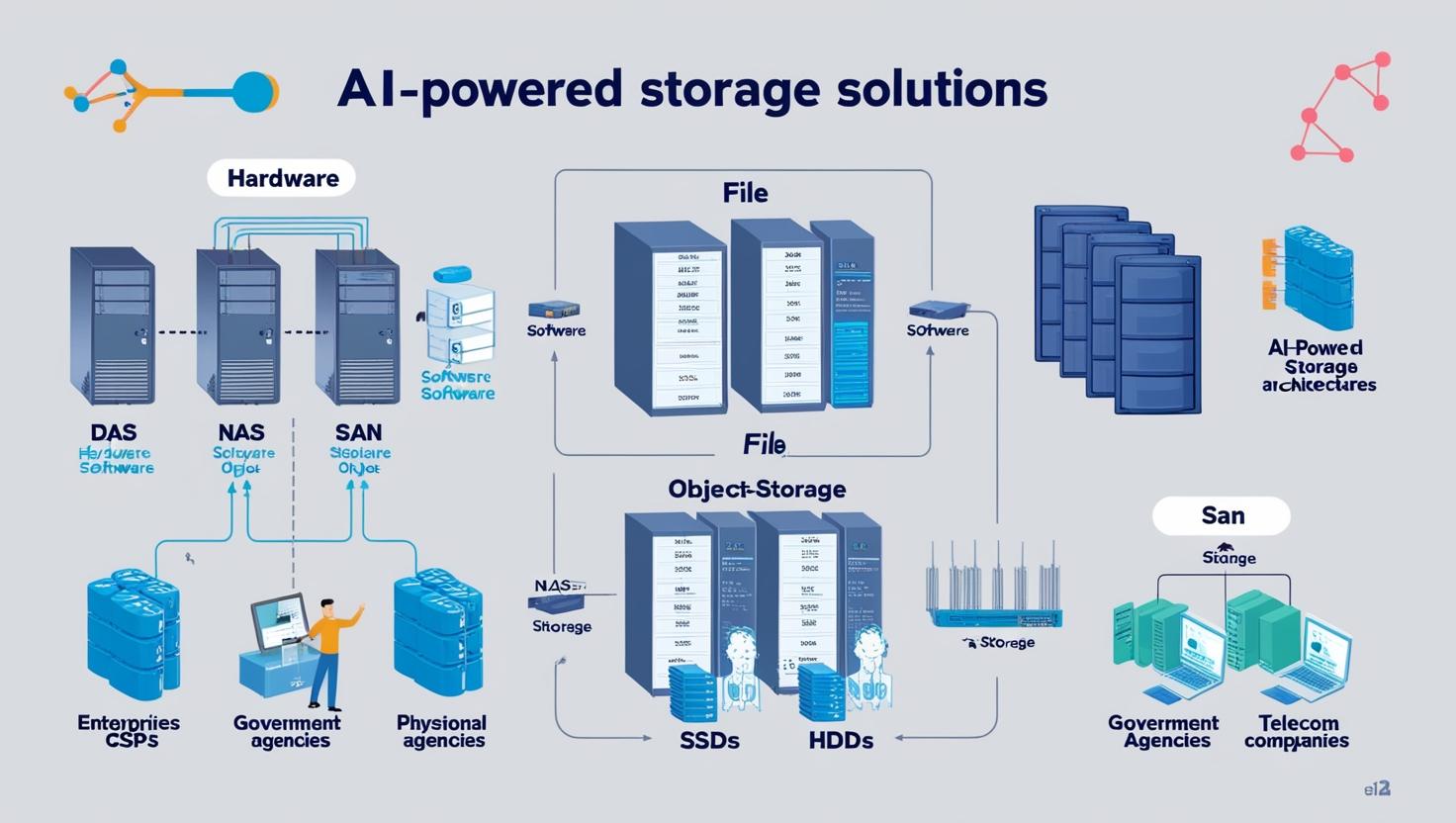
Part of the issue is that we treated AI data like temporary scaffolding – something you feed into a model during training and forget about. It really, AI turns routine daily data into permanent, active assets that need to be constantly accessed, referenced — and retained. When fifty-three percent of teams point to data quality as their primary roadblock. Speaking of which, and forty-three percent aspect directly to storage limits, For what it's worth. you realize the industry has a bad habit of chasing shiny algorithmic breakthroughs while neglecting the unglamorous plumbing.
In fact, fixing this isn't about throwing money at cloud bloat or buying more spinning rust out of panic — at least for now. The it demands a hard look at how we architect systems for sustainable scaling. Prioritizing thoughtful data lifecycle management over brute-force accumulation. Should you want AI to actually deliver long-term value instead of just racking up exorbitant base bills. You've to respect the physical reality of where the bits live — or something like that.









