Your Smart Home Is Already Running AI-Written Code
Like it or not, the automation running your living room lights and climate control was probably whipped up by an LLM. Here is why that actually matters....
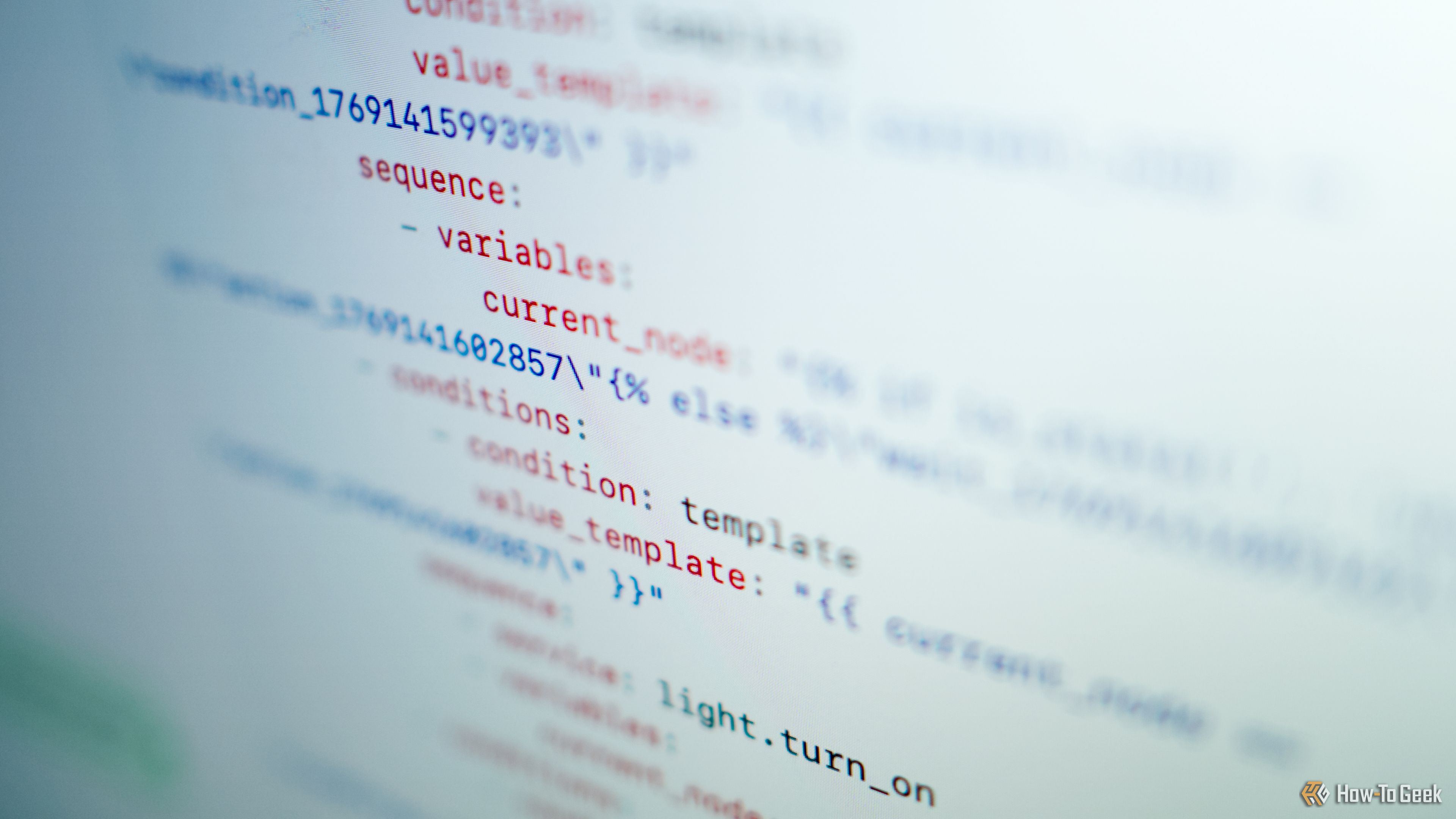
Check your home automation setup today. There is a very strong chance some of that smart home code was written by an AI. Whether you despise the hype cycle or lean heavily on Claude and ChatGPT to scaffold your weekend projects, the reality is already here. It quietly underpins the YAML files, ESPHome firmwares, and custom dashboard templates keeping our houses running. People are building functional, complex integrations without writing a single line of logic from scratch themselves, and frankly, it's changing how software comes to life.
Open-source ecosystems like Home Assistant are basically ground zero for this shift. It unlike locked-down proprietary hubs where you only get what the vendor pre-approves. Launch environments thrive on group extensions, modular scripts, and endless tinkering. Think about it. Because these components usually consist of small, highly isolated configuration blocks rather than monolithic codebases. They are uniquely vulnerable – or suited, depending on how you look at it – to vibe coding. LLMs excel at translating plain English intent into structured YAML or Python scripts that fit these exact micro-problems.
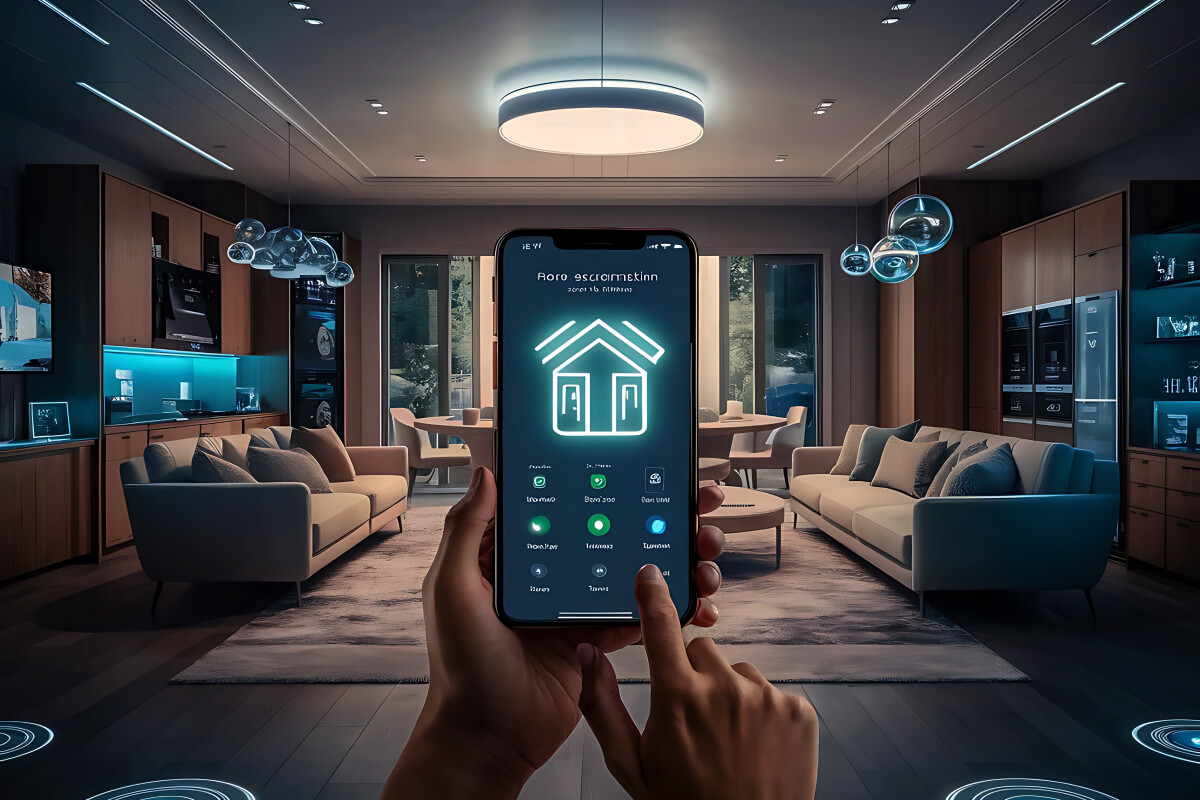
Naturally, this has created a strange social dynamic across forums and developer subreddits. There's no reliable audit trail to prove whether a custom blend was hammered out by a tired human at midnight or generated by an algorithm in five seconds, and people have noticed. In fact, some developers have learned the hard way that admitting to using AI brings out an instant wave of knee-jerk skepticism, whereas hiding the exact same provenance gets enthusiastic applause. That dishonesty reveals a deeper community anxiety: we love the utility, but we still distrust the machine origin.
In the end, foundational platforms like the Open Home Foundation have it right. They do not ban AI-generated code; instead, they put the absolute burden of ownership on the human contributor. If you push garbage to production, or fail to understand the firmware compiling for your physical switches, that failure is entirely on you. The tool merely drafts the blueprint, and still, we have to live inside the house.









