Why Your M.2 Slot Is Secretly the Best PCIe Slot in Disguise
Stop treating every spare M.2 slot on your motherboard like an exclusive home for overpriced NVMe storage. A cheap adapter changes everything....
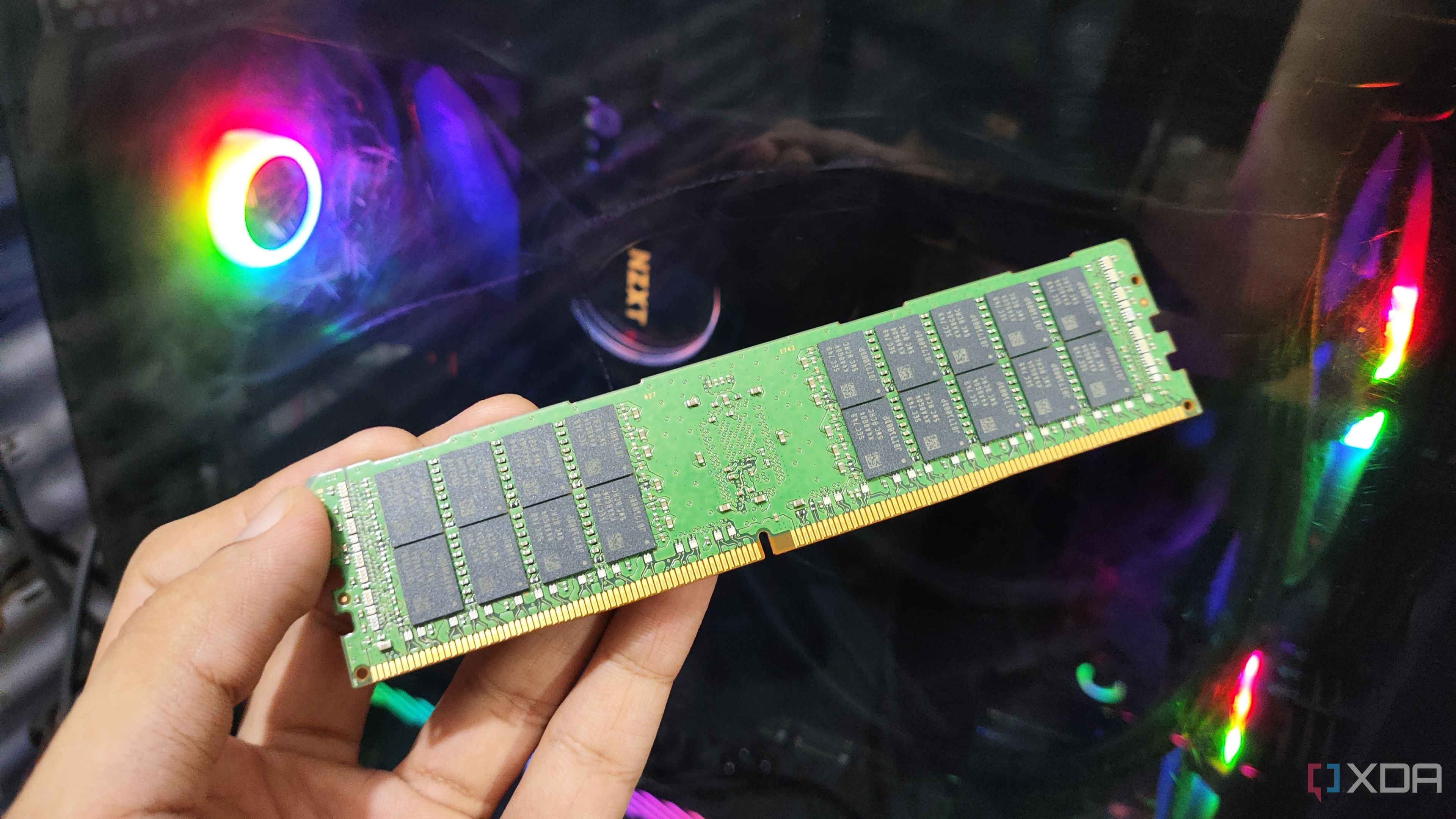
Most modern motherboards come riddled with extra M.2 slots that sit entirely empty for years, quietly gathering dust while we convince ourselves we need a fourth terabyte of ultra-fast flash storage we can't afford. It is a strange quirk of modern hardware design that we view these slots strictly as housing for boot drives, completely forgetting what is actually happening underneath the solder mask. They are just PCI Express lanes wearing a different physical outfit.
When my home server and desktop got stuck in a pathetic Gigabit bottleneck, simply, i discovered this truth. It dragging down massive file transfers because my main router lacked the guts for multi-gigabit routing! If you think about it, Upgrading the entire household network base made zero financial sense when only two machines actually needed to talk to each other at high speeds — at least for now. Sounds familiar? So, I skipped the expensive switch, grabbed a couple of 2.5GbE network cards. And started looking at my hardware layout with a bit of calculated contempt for standard conventions.
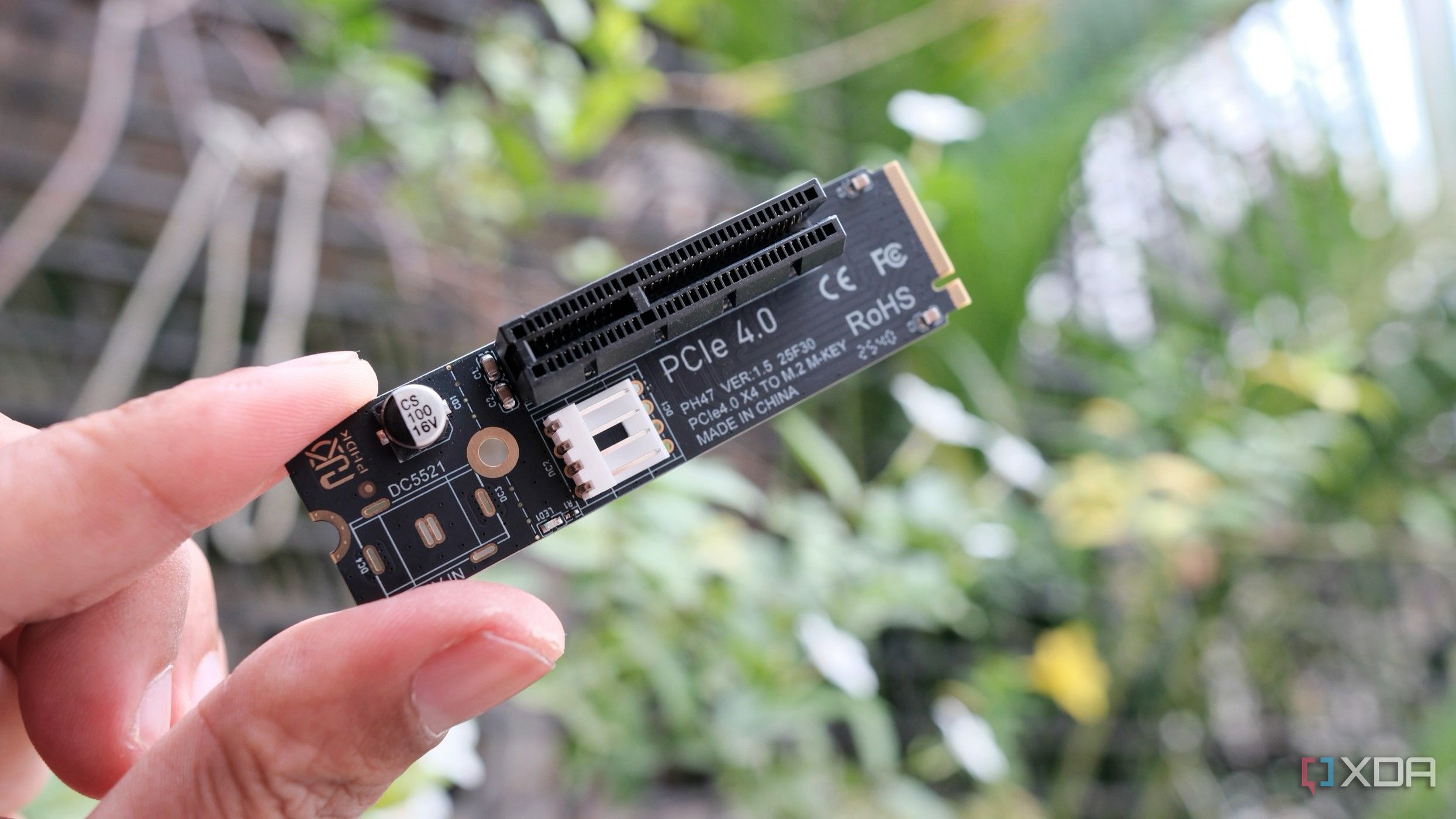
That's when a remarkably cheap M.2-to-PCIe adapter entered the picture. Turning an unused motherboard header into a makeshift home for a proper expansion card without needing any native M.2 networking hardware. Sure, the slot routed through the chipset rather than cutting straight to the CPU, and the lane width was permanently pinned to the narrowest configuration available. Here's the deal: but none of that mattered in practice because it completely bypassed the network switch bottleneck for a fraction of the cost.

Opening up your mindset beyond storage unlocks a bizarrely practical playground of ways for those dead motherboard slots. Letting you cram in USB-C expansion controllers. Legacy SATA ports for a DIY network-attached storage box, or dedicated audio processors. You stop playing by the rigid rules written in the glossy product manuals and start treating your machine like a modular toolkit rather than a sealed black box. That kind of tinkering reminds you why building computers was fun in the first place.
Hardware vendors would much rather sell you a brand-new motherboard with bleeding-edge features or a specialized. Overpriced component designed explicitly for a tiny niche. Sometimes, the smartest engineering choice is refusing to buy into the hype cycle. Grabbing a ten-dollar adapter, and repurposing the silicon you already paid for. And repurposing the silicon you already paid for.