When AI Training Fair Use Collapses Under Internal Reality
Internal emails and sworn statements are destroying the legal fiction that scraping the entire internet for AI training is fair use....
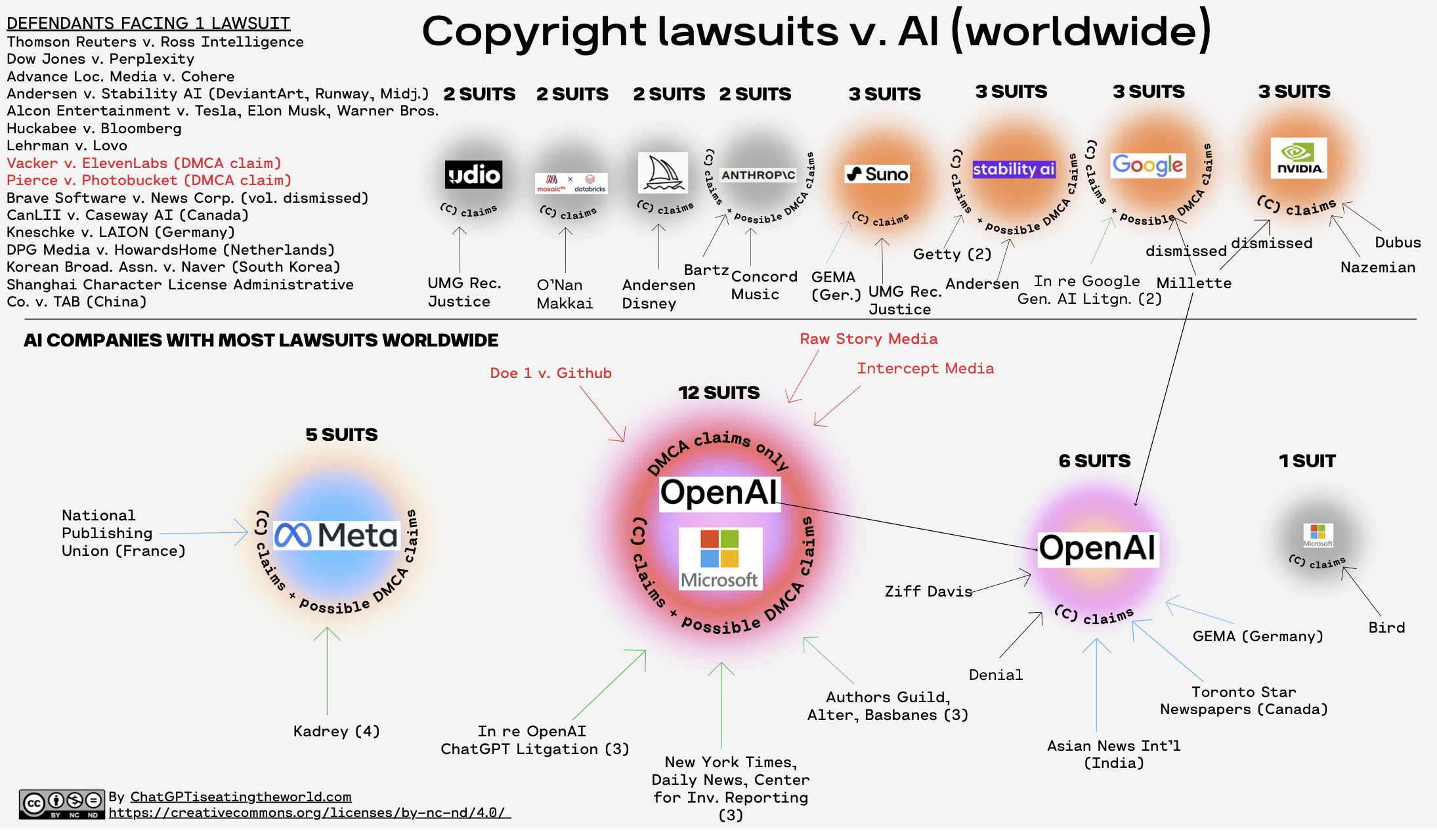
For years, tech giants have hid behind a convenient legal shield. They scraped the web clean, harvested every blog post, book, and piece of digital art in existence, and slapped a neat little 'fair use' label on the entire operation. It was a clever defense. Convenient, too. But legal gymnastics rarely survive contact with reality, especially when the people inside the machine start talking honestly among themselves.
Recent court filings and leaked internal communications have blown that polished narrative wide open. We aren't talking about mild disagreements or standard corporate second-guessing. A Microsoft director reportedly labeled the sweeping data collection the 'largest theft of labor in human history,' while OpenAI's own head of ChatGPT casually admitted that these models 'are largely substitutive, period.' There goes the major use argument. Poof. Gone.
It turns out that when the suits aren't performing for regulators or investors, they know exactly what they are doing. They understand that ingesting copyrighted work to build a direct replacement for the original creators is not some noble educational effort. It is extraction. Pure and simple.

We need to talk about what happens next. The house of cards is wobbling. If the courts actually hold these companies to the standard of their own employees' private admissions, the foundational economics of modern generative models are going to face a severe reckoning. You cannot claim your product merely transforms culture while privately panicking that it completely replaces the need for human labor.
Good engineering relies on honest foundations. Building systems on stolen architecture always catches up with you in the end. Whether through crumbling legal defenses or the slow erosion of trust, shortcuts have a habit of demanding payment. The bill is finally coming due.