Are AI Chatbots Causing a Global Knowledge Collapse?
New research shows large language models are shrinking the diversity of human knowledge, locking us into a loop of homogenized answers....

We are sleepwalking into a monoculture of thought, and LLMs are holding the shovel. A recent study out of the University of Copenhagen tested twenty-seven different large language models across millions of prompts to see how they handle information retrieval. The results are bleak. Even the top-performing models delivered information that was nearly twenty percent less diverse than standard web search results. Think about that for a second. Instead of expanding our horizons, we are actively narrowing them through sheer convenience.
The mechanics of this drift are straightforward yet insidious. When you chat with an AI, you aren't browsing a chaotic, messy internet full of weird corners, obscure forums, and conflicting human experiences. You are interacting with a polished statistical smoothing machine designed to give you the most probable answer, not necessarily the most interesting or truthful one. It flattens subtle. It sands down the jagged edges of human discourse until every complex topic feels like a sanitized Wikipedia summary written by an exhausted corporate intern.
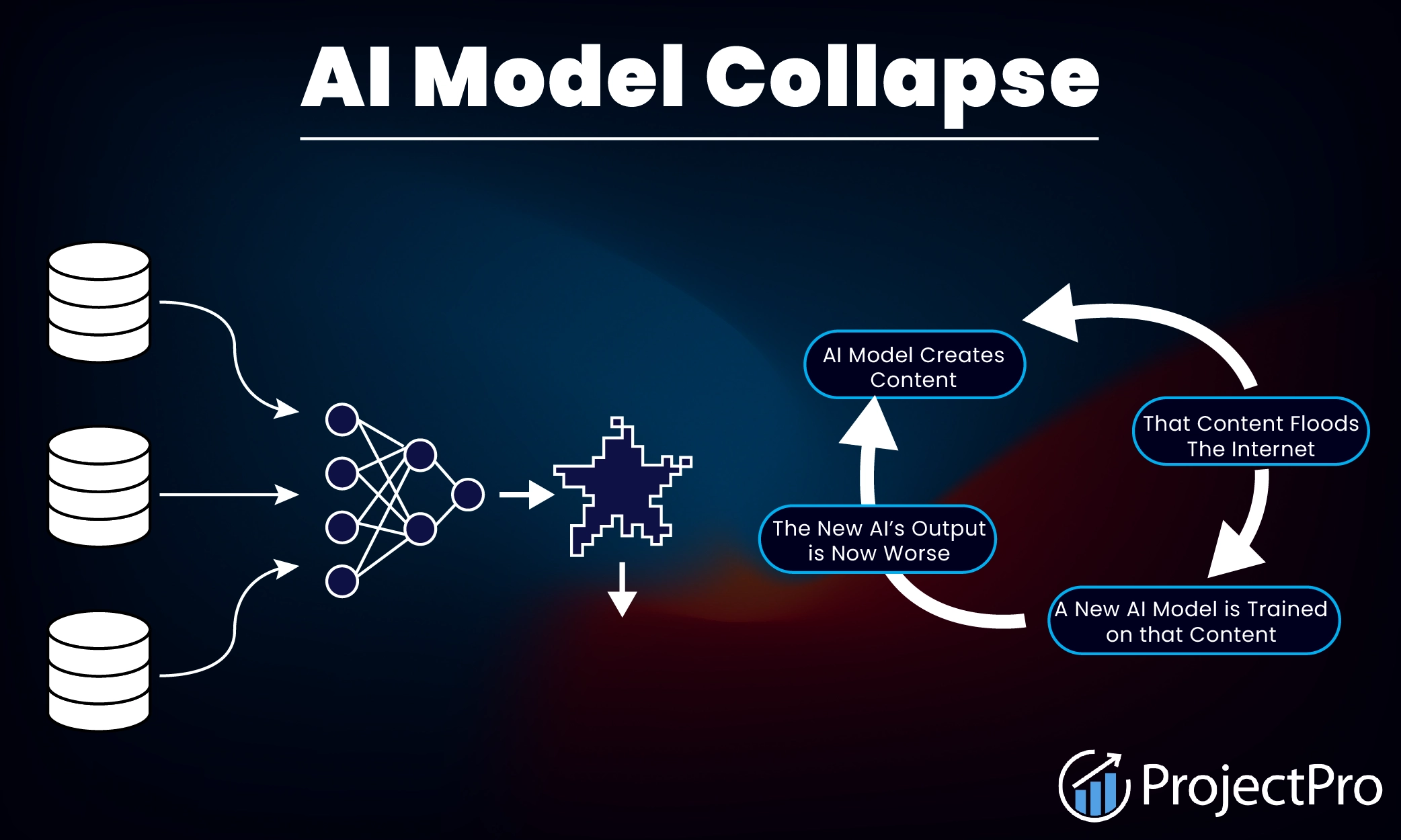
And, researchers have started calling this a vicious cycle, the comparison to mass globalization feels entirely accurate. It just like every high street in the world now features the exact same coffee chains and identical storefront brands – or so it seems. But is it really that simple? Then again, our digital data space is becoming a franchise-driven wasteland where unique views get bulldozed for maximum mass-market appeal (for what it's worth). If fringe ideas, radical viewpoints! And weird historical anecdotes get starved of oxygen because an algorithm decides they aren't standard enough. We lose the friction that actually drives intellectual growth —.
Good engineering requires messy inputs. If we let algorithms curate reality down to a frictionless, uniform pulp, we aren't building a smarter future – we are building a collective blind spot. It is time to stop treating chatbot outputs as absolute truth and start valuing the chaotic, difficult, beautifully diverse web that made us curious in the first place.