Why AI Coding Agents Fail SWE-Serve Inference Tests
Passing a test suite means nothing if your model crashes in production. A new benchmark exposes the massive gap between local mock tests and real inference serving....
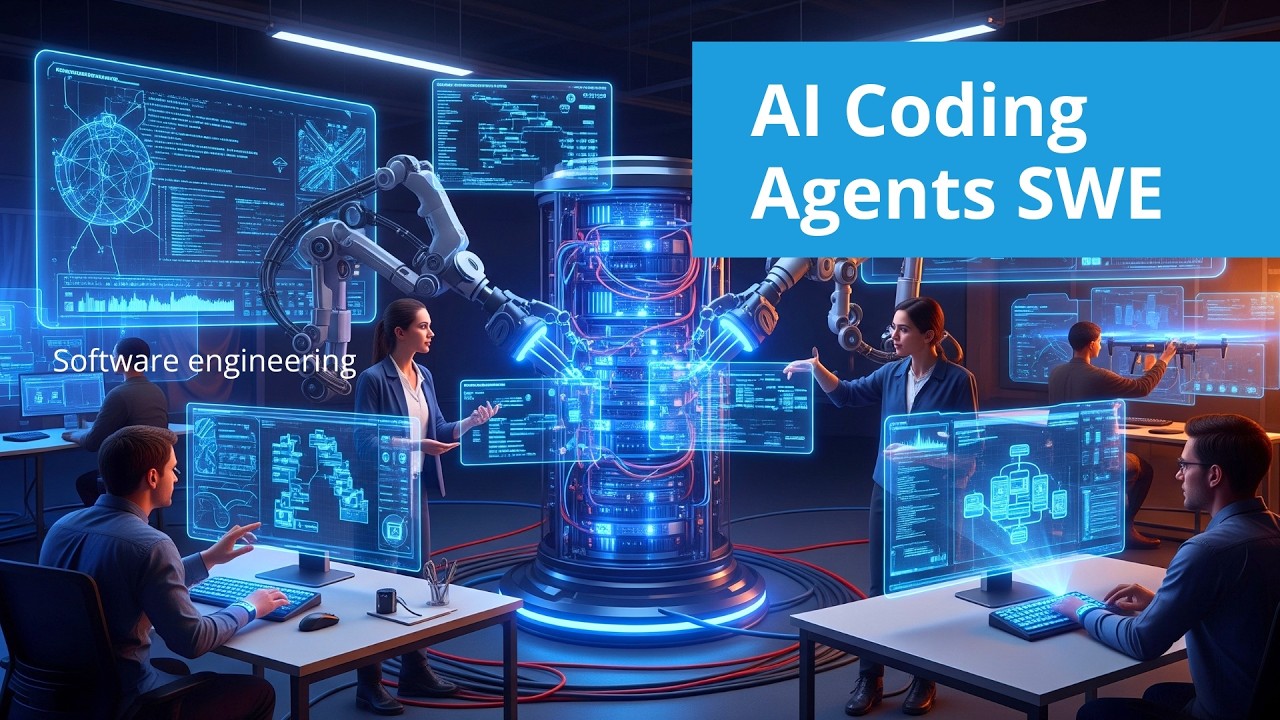
We have built an entire industry around making AI code feel magical, praising agents that well pass unit tests in sanitized repositories. But passing a localized test runner isn't the same thing as shipping software that actually works under real-world pressure. I think we are fooling ourselves with superficial metrics. actual infrastructure is messy, highly concurrent, and deeply unforgiving of code that looks correct on paper but collapses the moment a live model enters the memory space. The truth is starting to hurt.
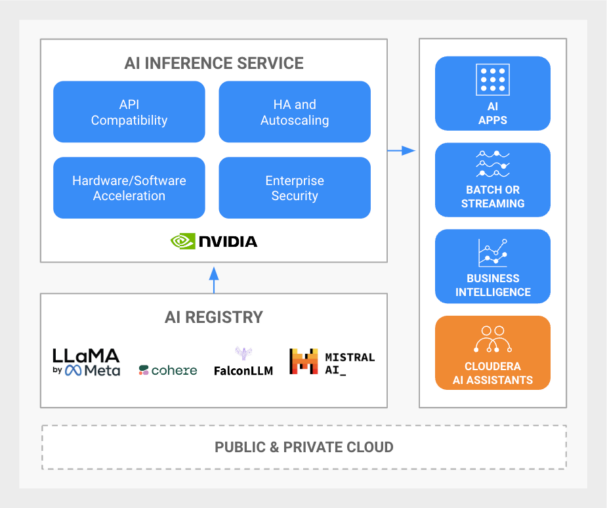
Enter SWE-Serve, a blunt reality check built alongside the SGLang team that tests AI coding agents across the brutal realities of inference serving. Instead of playing in isolated sandboxes, agents face repository-scale changes touching schedulers, caching layers, decoding loops, and custom runtimes. The results are humbling. When researchers forced agents to run actual server instances instead of relying solely on offline checks, failure rates skyrocketed. Code that looked pristine to a standard verifier routinely choked the moment a live endpoint tried to handle genuine requests.
Look at the data. Out of nineteen tasks that demanded live-serving checks, patches sailed through conventional validation nearly seventy percent of the time. Yet when the complete verifier was plugged in, that success rate plummeted to forty-five percent. Roughly one in three patches that should have been ready for deployment quietly failed when the rubber met the road. That gap is terrifying. It proves that our current evaluation pipelines are fundamentally blind to systemic runtime failures, treating complex distributed state like simple algorithmic puzzles.
This is why craft still matters more than hype. This small teams building real — and this matters — systems cannot afford agents that write clever snippets. It break downstream hardware interactions or introduce subtle memory leaks in the serving stack. We need benchmarks that force AI to respect the entire lifecycle of a request, from weight loading to API response. Trusting autonomous agents with base code is a gamble I'm not willing to take until our tools learn to test for reality instead of passing grades.