Opus 5.5 Arrives: Anthropic Cuts Prices While Pacing the Frontier
Anthropic's new Opus 5.5 delivers Fable-level performance at a lower cost, balancing rapid capability gains with a deliberate slowdown in the frontier race....
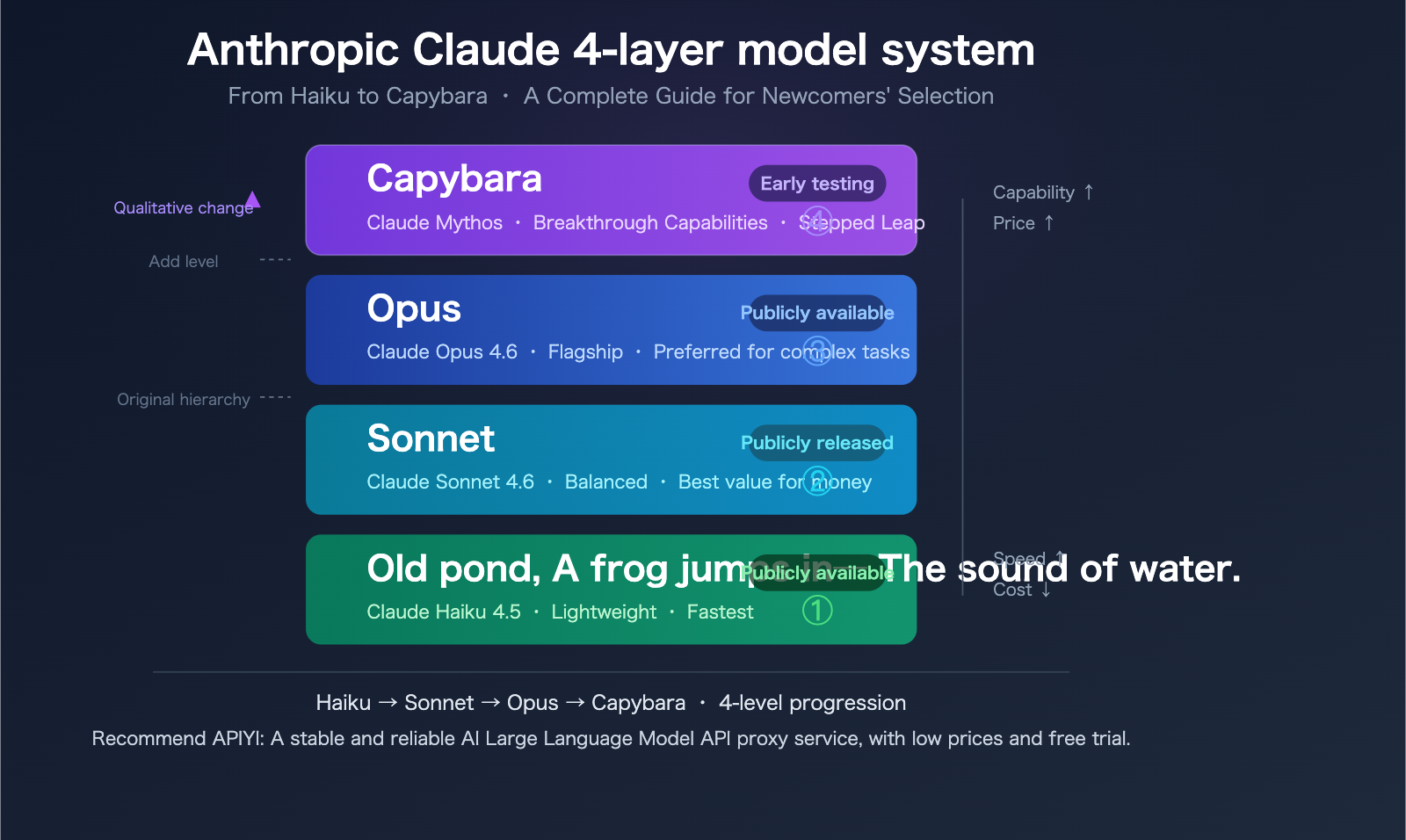
Anthropic just dropped Opus 5.5, and frankly, the release notes read a bit differently this time. Sure, you get the expected performance bump – better coding, sharper (oddly enough) knowledge retrieval, and benchmarks that quietly nudge past older heavyweights like Fable. But what caught my eye isn't just the raw compute muscle. Benchmarks that quietly nudge past older heavyweights like Fable. But what caught my eye isn't just the raw compute muscle. By the way, here's the deal: and benchmarks that quietly nudge past older heavyweights like Fable. But what caught my eye isn't just the raw compute muscle. It is the sudden drop in price paired with an unusual dose of corporate self-restraint.
Let's talk numbers because they actually matter for builders shipping real software! The output tokens on this tier dropped from twenty-five bucks down to twenty per million. For what it's worth, the that's a key relief for small teams—surprisingly enough. But is it really that simple? Independent devs who watch every API call like a hawk. Speed — and this matters — got a nice kick too, meaning the underlying base is getting leaner. Yet, the real narrative here goes far beyond cheaper tokens and cleaner JSON parsing.
Just weeks after Dario Amodei argued for pumping the brakes on (worth noting) frontier tools to let safety alignment catch up, Opus 5.5 lands. It they are still building powerhouse models that trigger biology and cybersecurity safeguards, but the cadence feels calculated. It's a strange paradox: delivering latest results while publicly agonizing over the speed of it all. Speaking of which, is it genuine prudence—just brilliant positioning in a market increasingly nervous about runaway scaling?
In the meantime, the communication tweaks are genuinely refreshing. Anthropic claims this iteration uses less corporate jargon and puts the most vital information right at the front of messages. If true, that cuts down on the prompt engineering gymnastics we all play just to get a straight answer out of an LLM. We will see how Sonnet and Haiku 5.5 hold up when they roll out in the coming weeks.
I care about whether these tools make building easier without draining my wallet. Opus 5.5 makes a strong case on both fronts. Still, I am watching to see if this era of deliberate pacing actually sticks or if it's just a temporary pause before the next reckless sprint. Of deliberate pacing actually sticks or if it is just a temporary pause before the next reckless sprint.