Why Built-In 5G Laptops Are Still a Ghost Town
Despite hardware workarounds, built-in 5G on laptops remains rare. Here is why the industry keeps skipping it, and why you should too....
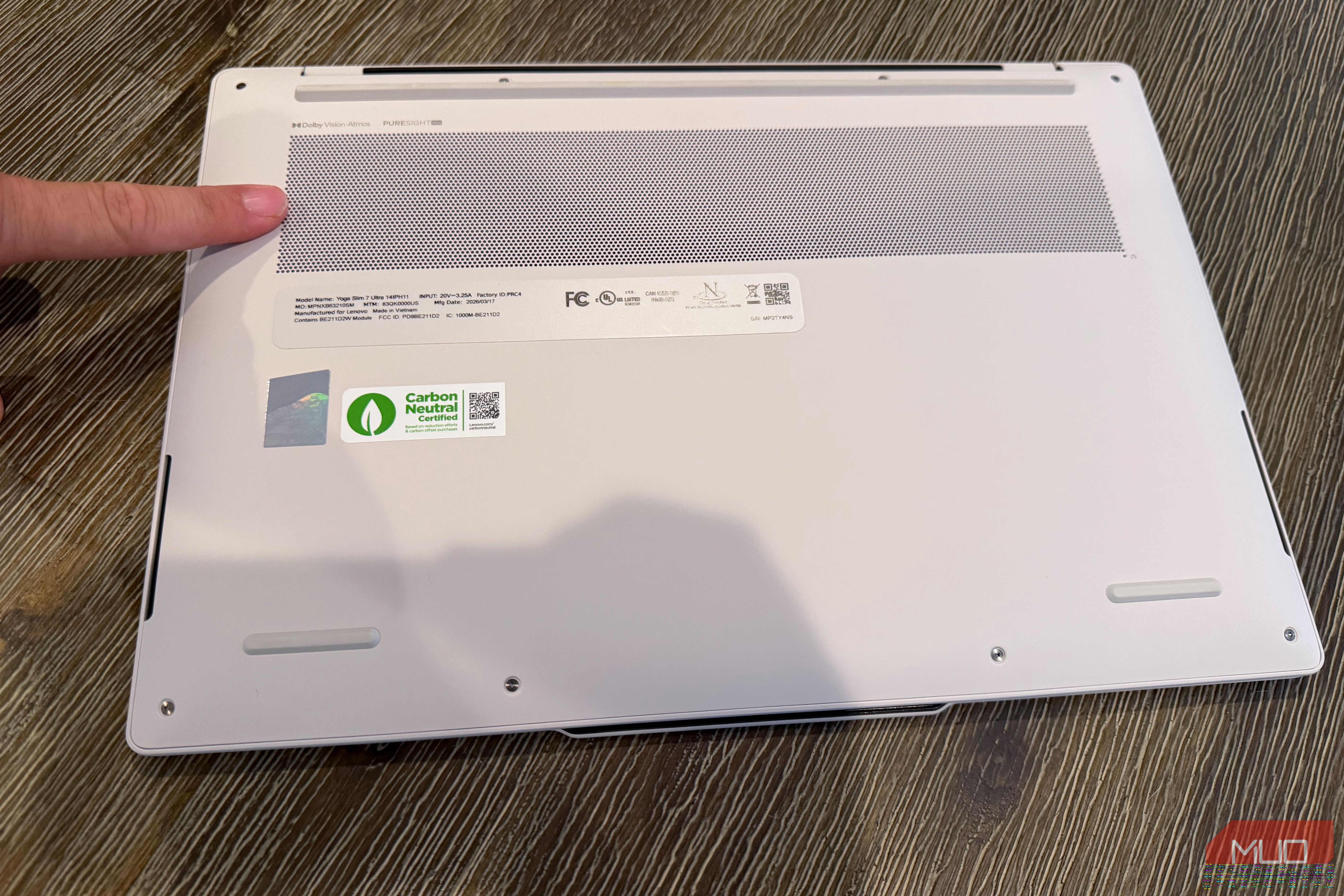
Look closely at the spec sheet of almost any consumer laptop on the market! It you will notice a glaring omission. Hard to believe? Then again, built-in 5G cellular connectivity is practically non-existent outside of pricey firm business machines. Sure, you can track down a specialized ThinkPad or an elite — well corporate line if you've the budget. But off-the-shelf machines treated everyday users to strictly Wi-Fi. I think the tech industry made the right call here, even if it occasionally frustrates road warriors who want an always-on machine without wrestling with a hotspot.
Already, the truth is that we carry a blazing-fast 5 G modem in our pockets everywhere we go. The adding another cellular radio inside a tightly packed laptop chassis introduces thermal design headaches, physical complexity! Also, Miserable carrier certification costs — in a way. The fCC approvals and per-carrier gatekeeping — to be fair — turn every unique hardware SKU into a regulatory nightmare for manufacturers. But worth noting. Almost, why spend millions engineering a dedicated slot for a cellular card when everyone simply toggles a hotspot on their phone? I guess, because they're (oddly enough) deeply oversized smartphones, tablets get away with it. Laptops operate under a completely other architectural philosophy — at least for now.
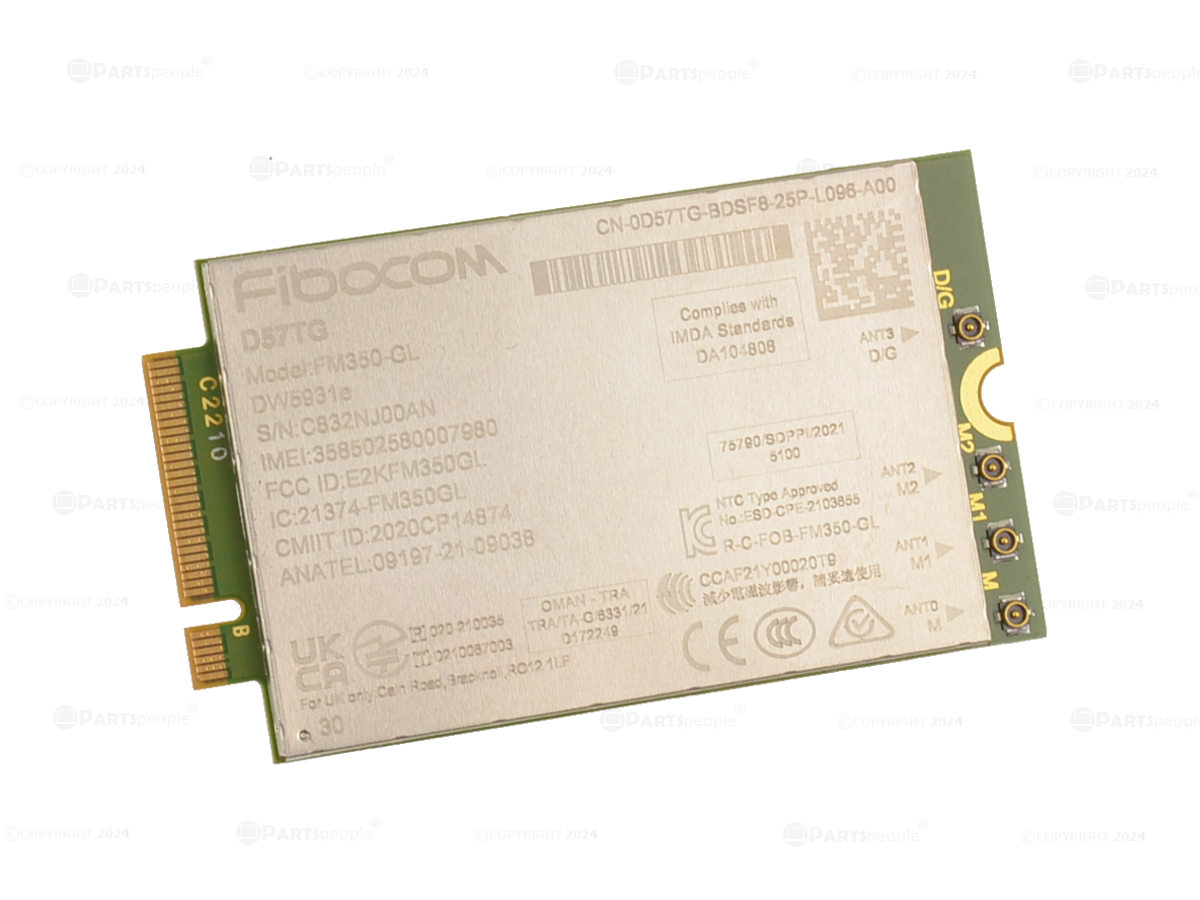
Hardware enthusiasts love to point out that you can theoretically crack open certain compatible laptops and drop in an M.2 WWAN card. They aren't wrong. You can spend close to a hundred dollars on a specialized B-keyed modem, route tiny coaxial antenna cables through the display hinge, and fiddle with drivers until it works. [IMAGE]
It is a fun weekend project for tinkerers who appreciate low-level hardware integration. For anyone else, it is a massive waste of time and money. Modern operating systems bridge the gap so smooth that physical cards feel entirely redundant. Apple and Google built ecosystems where your laptop recognizes your phone's cellular signal instantly, appearing right in your Wi-Fi drop-down menu without requiring a single manual prompt.
Hotspotting drains your battery faster, sure. Plug your phone into a USB-C port, and that problem vanishes completely. We do not need more cellular subscriptions bleeding our wallets dry for the occasional train ride without Wi-Fi. Sometimes the best engineering choice is knowing when to leave a feature out entirely.