Meta’s Muse Charm Proves the AI Amulet Trend Won't Die Quietly
Meta is bringing a Tamagotchi-style AI wearable to your keychain just in time for the holidays. Good engineering? Or desperate hardware spam?...

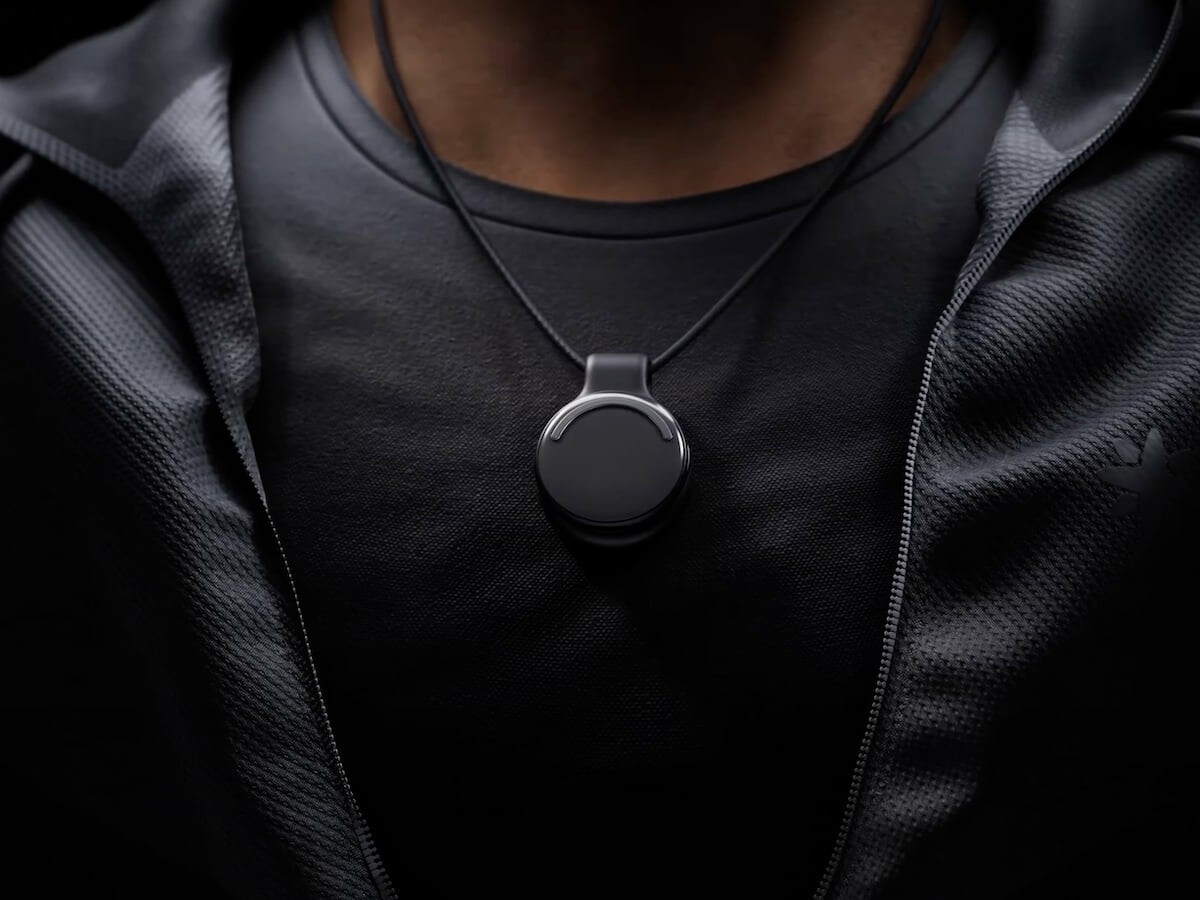
The tech industry has an embarrassing obsession with hanging awkward little plastic pendants around our necks. We watched the startup hype cycle give birth to overpriced AI amulets that mostly served as punchlines for tech Twitter, devices that promised ambient intelligence but delivered glorified Bluetooth earpieces wrapped in marketing spin. Yet, ignoring every obvious market signal, Meta has decided to crash the party with its own pocket-sized creation. They call it the Muse Charm, and it somehow manages to look both profoundly unnecessary and entirely predictable.
Unveiled during a classic Zuck keynote moment, this keychain totem houses Meta's popular Muse AI agent, complete with a tiny screen displaying a digital avatar named Jolly. Tap a fingerprint sensor and you are chatting instantly, bypassing the friction of unlocking a smartphone screen. On paper, it sounds frictionless. In reality, it feels suspiciously like a low-stakes hardware experiment designed to capture holiday impulse buys while squeezing another distribution vector out of an existing software ecosystem. They packaged an entire real-time voice stack into a Tamagotchi-adjacent bauble, hoping nostalgia and novelty will override common sense.
I can appreciate the engineering gymnastics required to miniaturize real-time voice computing into something that fits on a keyring. Getting thermal management, battery life. And audio processing right in a palm-sized token is genuinely difficult work. But technical competence does not automatically justify a product's existence. When we start designing dedicated hardware solely to shave three seconds off a smartphone app interaction, we have lost the plot. Not everything needs its own physical form factor.
gadgets like this treat attention fragmentation as a design feature rather than a bug. We are drowning in notifications and background noise, so the pitch is it seems to dangle a digital pet from your belt loop that demands constant conversational check-ins. Also, background noise, so the pitch is—and this matters. Apparently to dangle a digital pet from your belt loop that demands constant conversational check-ins. This feels like an exercise in software spread dressed up as hardware innovation. Which frankly, I expected better from builders with this many assets at their disposal. This feels like an exercise in software distribution dressed up as hardware innovation, which frankly, I expected better from builders with this many resources at their disposal.