Training Multi-Vector Embedding Models Is Finally Practical for Small Teams
Stop relying on generic embeddings. With the latest updates to Sentence Transformers, training your own multi-vector retrieval model on consumer hardware is finally viable....
Most search systems built on standard single-vector embeddings quietly fail the moment your domain requires real subtle. Standard dense models force an entire document into a single, compressed vector space, meaning critical keywords, highly technical terminology. Subtle contextual distinctions get flattened into a messy average. Single vectors are lazy summaries. When you throw specialized legal documents, dense medical literature, or messy codebase queries at them, they pretend language is simple, and they break down completely.
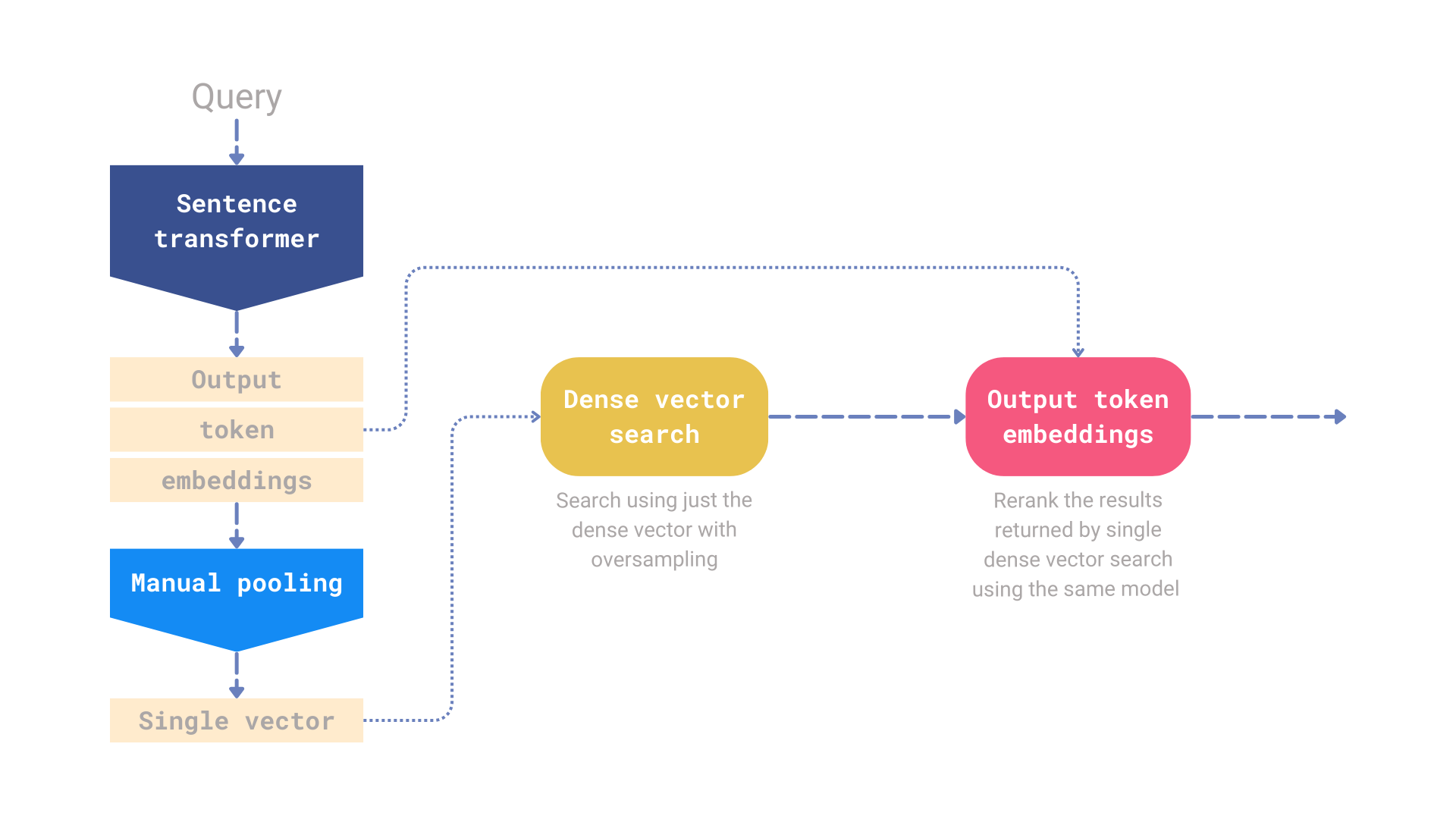
That's why ColBERT-style late interaction retrieval has — to be fair. Always been fascinating in theory, even if it was frustratingly difficult to work with in practice. The Instead of compressing a text, multi-vector models preserve someone token-level representations, letting queries match documents at a granular grade through a simple MaxSim operator. See the pattern? You get a lot better retrieval accuracy, but you pay for it with larger indexes and historically painful training overhead. In a way, however, you pay for it with larger indexes and historically painful training overhead! Honestly, just, until recently, you needed a cluster to experiment with them.
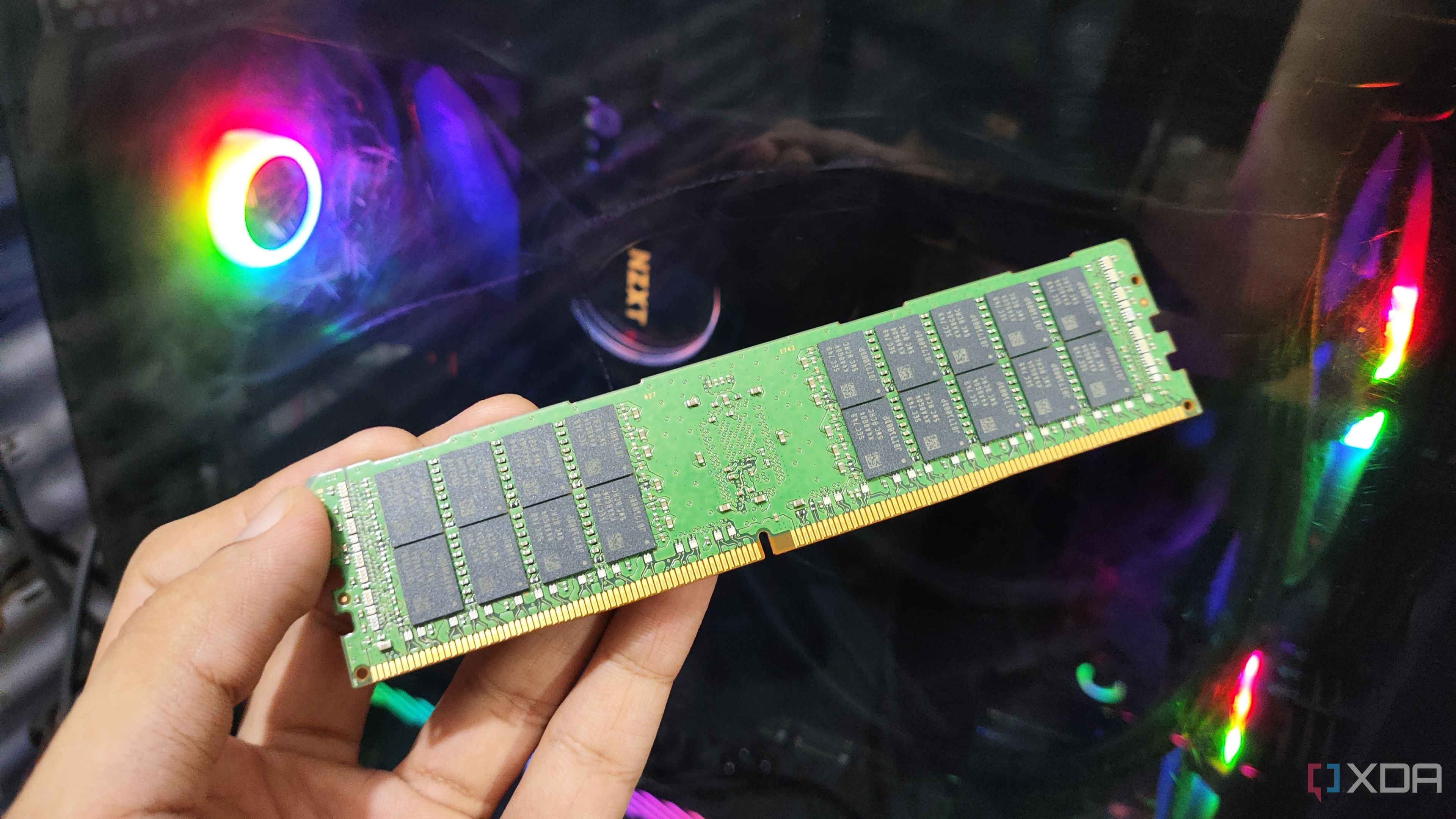
That barrier just collapsed. Hugging Face's latest tooling update brings multi-vector training directly into Sentence Transformers with a straightforward pip install, meaning you can stop relying on general-purpose embeddings and actually teach a model your domain's specific dialect. What makes this genuinely exciting for independent builders is the hardware reality: a developer trained a latest medical multi-vector model from scratch in roughly fourteen hours on a single RTX 3090, comfortably crushing every out-of-the-box dense, sparse, and lexical retriever in sight.
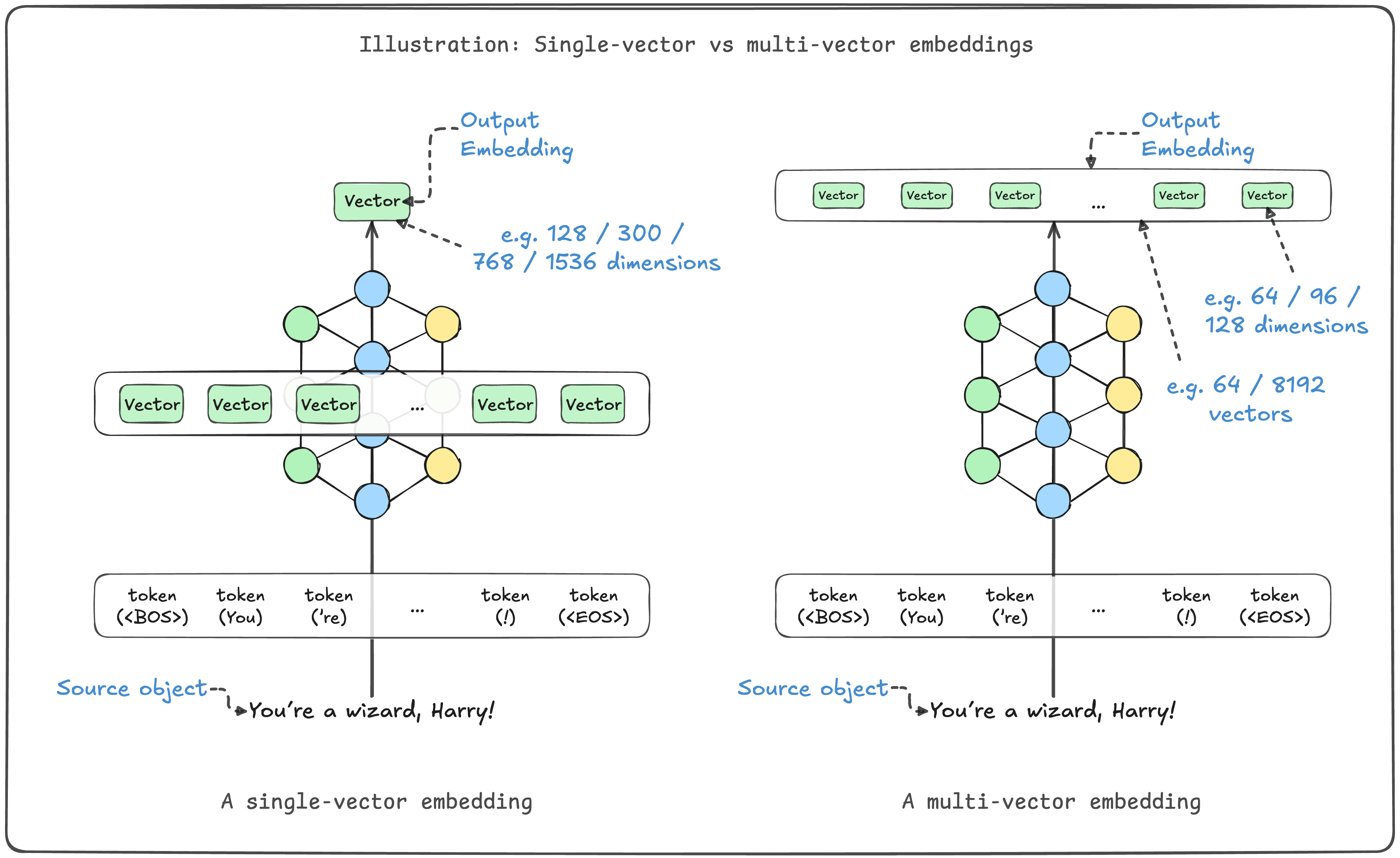
Finetuning a domain-specific retrieval stack used to require a massive engineering lift. It also, Cloud budgets reserved for firm labs — give or take. Now, the tooling is catching up to the craft, lowering the barrier for small teams who care deeply about search quality. But if your use relies on users finding a needle in a massive. Domain-exact haystack, standard off-the-shelf embeddings are no longer your only option.
We're finally moving past the era of one-size-fits-all AI hype and into a space where small. This focused teams can build remarkably sharp tools locally. Give the new multi-vector pipeline a spin on your own data this weekend. You might be genuinely surprised by what a consumer GPU and a properly trained token-level retriever can finish.