Why Qwen-Image-2.1 Changes the Open-Weight Image Generation Game
Alibaba just dropped Qwen-Image-2.1, a stunning 7-billion-parameter open-weight model that punches well above its weight class and challenges closed giants....

A, the open-weight AI space just got serious jolt! The alibaba's Qwen team released Qwen-Image-2.1 — honestly, the claims being made are turning heads across the builder group. The we are talking about a model that supposedly trades blows with closed, proprietary heavyweights. But here is the kicker: — and this matters — it does it all with a lean seven billion factors. The hard to believe? Classic. If you've the right setup, that's small enough to actually run on powerful consumer hardware. No massive data center required just to spin up local tests—i love seeing the gap between closed fortresses and open experimentation shrink in real time.
Genuinely, what makes this release interesting isn't just raw prompt next or pixel output! This now, it brings practical (and this is key) chops to the table. On a related note, you get native transparency support, precise editing tools. Also, the ability to feed up to ten reference images at once. Also, the ability to feed up to ten reference images at once. From what I can tell, what's the catch? It in a way, that multi-image context completely changes how creators and developers can steer composition and style consistency. Fair point. Instead of fighting a black box through (oddly) endless API loops, you gain deep control over the visual pipeline. Just, it feels like a real builder's tool. Designed for people who want to construct steps rather than press a slot-machine button.
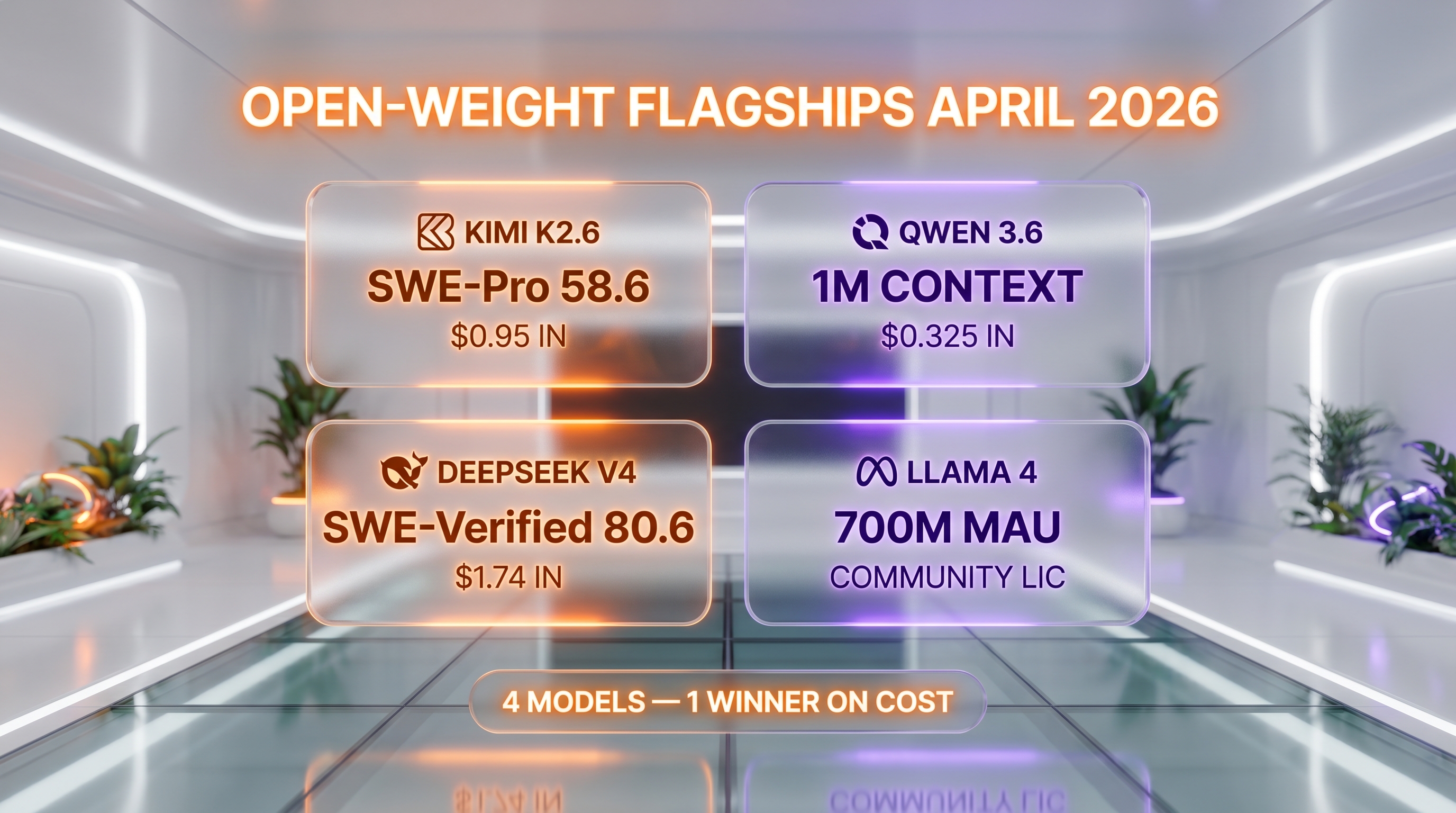
Naturally, we need to talk about the fine print. The research license restricts direct commercial deployment without negotiating a separate commercial agreement with Qwen. That friction is frustrating. Yet entirely expected from tech giants navigating monetization. Then again, in my experience, it reminds us that open-weight rarely means completely unrestricted wild west freedom. Even so, the underlying weight drop matters deeply. It gives independent researchers and clever engineers the blueprint to dissect, fine-tune, and understand how to squeeze massive results out of oddly modest designs.
Big tech usually wants us locked inside their walled gardens, paying per token and praying they don't deprecate our favorite endpoints next Tuesday. Releases like this provide a vital counterweight. When small teams can tinker with latest weights on local iron, innovation happens faster and gets weird in the best possible ways. I am far more interested in adapting a transparent seven-billion parameter model than renting space inside someone else's opaque ecosystem. Keep building locally.