Stop Using Your Synology NAS Just for Storage
Your network-attached storage box is actually a 24/7 Linux machine idling in your rack. It's time to plug some real gear into those ports....
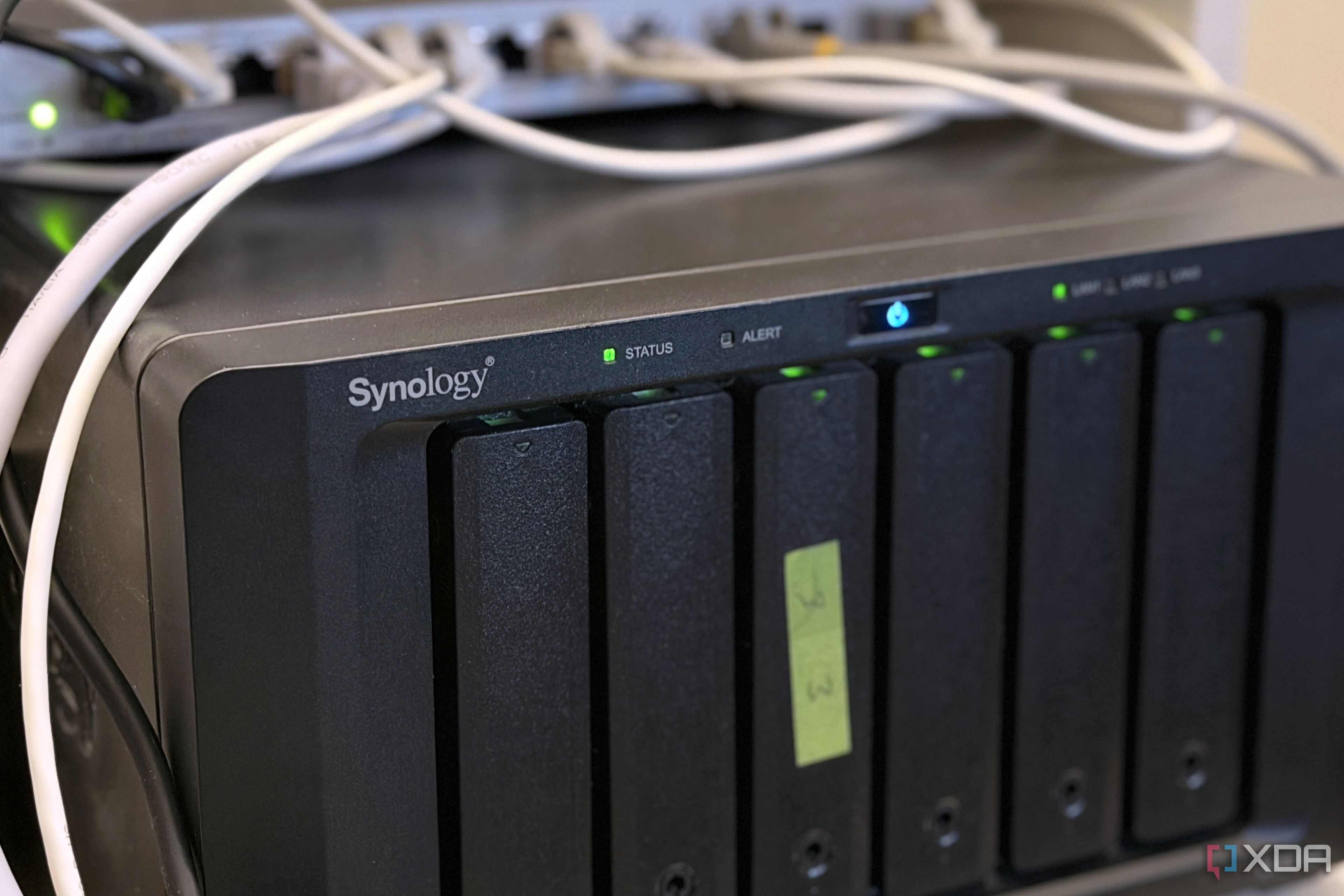
Most people buy a multi-bay network-attached storage box, shove a handful of enterprise spinning disks inside it, configure a RAID array, and promptly forget it exists until a drive starts clicking. I get it. Reliability is the whole point. You want your backups to sit quietly in the corner, humming along without drama, safeguarding family photos and important documents while you sleep. But under the hood, DiskStation Manager is really just Linux wearing a polished corporate tuxedo, and that underlying operating system offers a lot more muscle than simple file redundancy.
For years, my own six-bay unit did little more than archive data and host a single instance of Home Assistant because it was the one computer in the house guaranteed never to sleep. If I needed to spin up a container or test a new utility, I reached for a dedicated hypervisor instead. Then I started looking closer at the physical hardware ports. Manufacturers love to lock down their ecosystems with aggressive software wrappers, but they cannot easily stop you from utilizing standard USB and Ethernet interfaces. That realization completely changed how I use the machine.

First came the uninterruptible power supply integration. Hard drives despise sudden electrical death, and a proper UPS cable turns your enclosure into a safety hub running NUT to gracefully halt your entire local network before the battery drops to zero. [IMAGE]
Next, I added a powered USB expansion hub to the back panel. Suddenly, my storage appliance transformed into an ingestion station for dumping camera SD cards and portable SSDs straight into the archive without choking my local Wi-Fi or tying up my laptop ports. Toss in a humble USB-to-serial adapter, and that same box becomes a permanent console server for monitoring switches and headless routing gear without dragging a monitor across the room.
We spend thousands on clever homelab hardware and then let it sit around underutilized. Stop treating your storage box like an expensive digital filing cabinet. Roll up your sleeves, open up the terminal, and make that hardware actually earn its keep in your rack.