Embodied Reasoning and the Reality of Robotics
Google's new Gemini Robotics-ER 1.6 points toward a future where machines actually understand the physical mess of the real world....

Most tech demos live inside pristine, perfectly lit sandboxes where variables are tightly controlled and mistakes cost nothing. The real physical world is aggressively unoptimized, gloriously messy, and fundamentally hostile to fragile machines that rely on rigid assumptions. For years, robotics has suffered from a painful disconnect: algorithms calculate abstract probabilities in milliseconds, yet a heavy mechanical arm still struggles to reliably pick up a crumpled napkin or read a dusty analog pressure gauge without misinterpreting the depth of field entirely. That stubborn gap between digital intelligence and messy physical execution is finally starting to narrow, but we should remain deeply skeptical of overnight miracles until we see them survive a dusty warehouse floor. Software is easy.
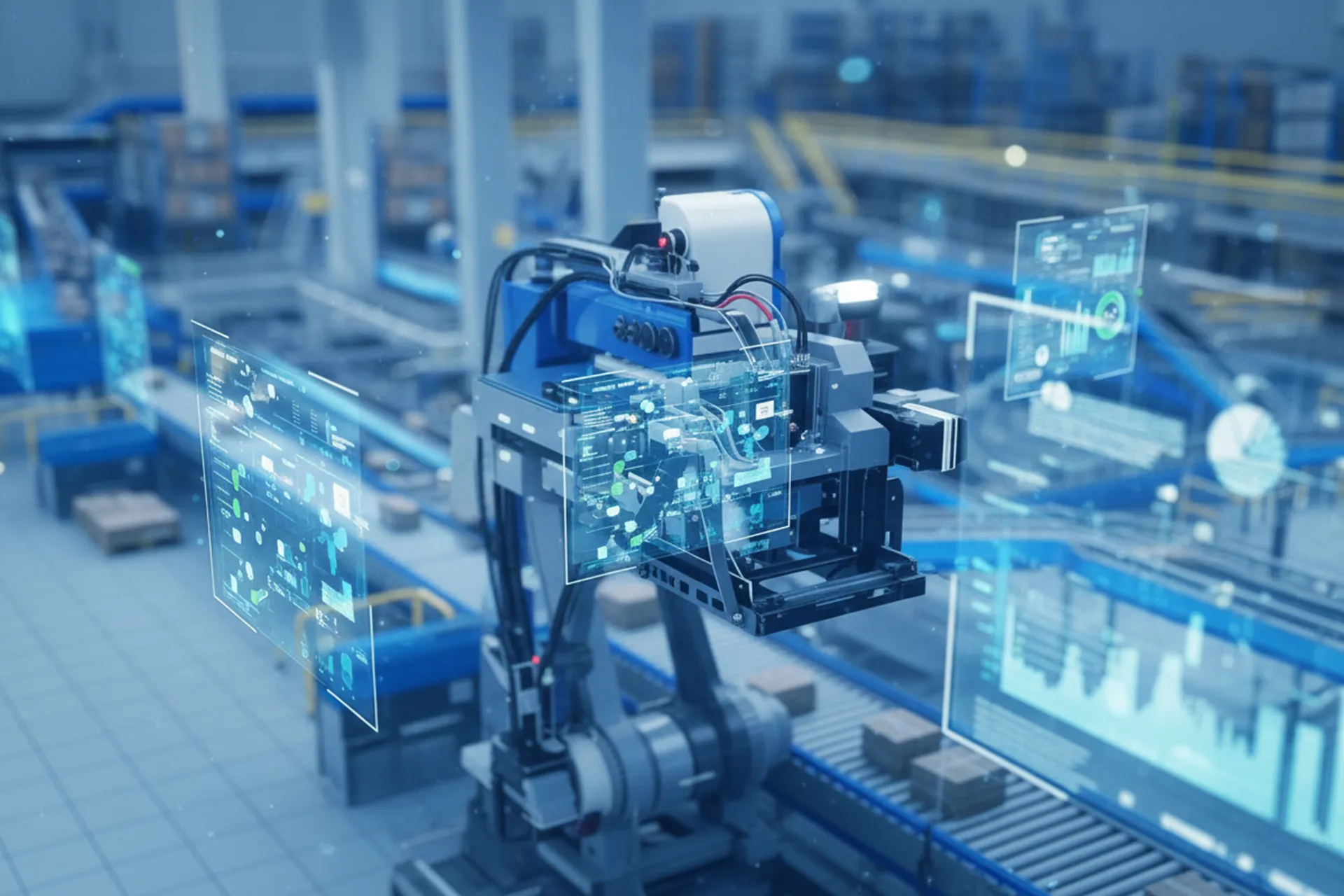
Google recently pushed out Gemini Robotics-ER 1.6, a reasoning-first model explicitly built to handle spatial logic, multi-view synthesis, and chaotic physical tasks without collapsing under the weight of its own parameters. Instead of blindly executing rigid hardcoded loops, this update acts as a high-level cognitive layer that chains together external tools, calls vision-language-action models, and figures out relational spatial logic completely on the fly. It can point, count, map complex trajectories, and parse detailed constraints like finding every tiny object that fits inside a specific cup. Why does this actually matter for builders working outside the venture-capital bubble?
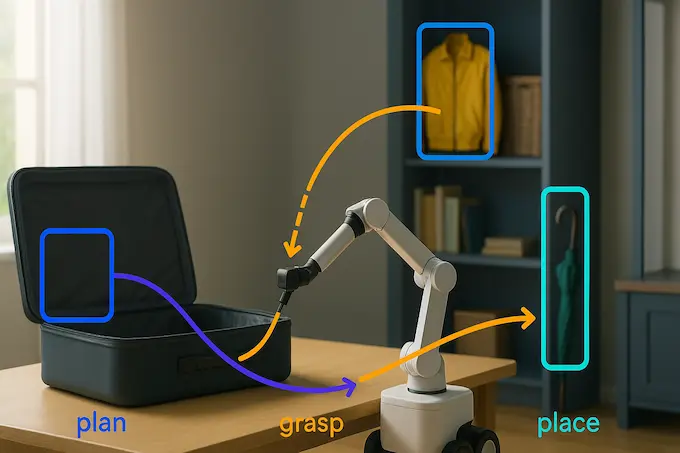
What catches my eye isn't the raw benchmark horsepower or the heavy marketing spin about impending general-purpose autonomy. It is the wonderfully boring, deeply practical stuff that nobody puts on a flashy product launch video. They partnered with Boston Dynamics to solve industrial instrument reading. While competitors obsess over humanoid robots folding laundry in hyper-curated labs, thousands of real factories rely on legacy analog gauges, sight glasses, and dials that refuse to emit a clean digital telemetry stream. Teaching a model to visually interpret a physical needle isn't glamorous, but it represents the kind of hard, unsexy engineering that actually moves industries forward.
Autonomous success detection remains the ultimate bottleneck for anyone building physical systems that need to run unattended overnight. Knowing when a task is finished – rather than just freezing because a script hit an arbitrary timeout limit – separates strong production software from fragile prototypes that live to die in the lab. If these foundational models can reliably use spatial pointing as an intermediate reasoning step to calculate distances, verify constraints, and double-check their own work before moving forward, we might finally see robots escape the prototype graveyard. Craft matters.