Why the AI extinction debate is a distraction from real tech threats
Silicon Valley loves a good apocalyptic headline, but the real dangers of artificial intelligence are far more mundane—and happening right now....

Every few months, another Silicon Valley insider steps forward with a terrifying prophecy about artificial intelligence. Take the recent calculations from an Anthropic safety researcher, who casually pinned a greater than ten percent probability on human extinction within the decade. It mirrors the dramatic bets we have heard from Elon Musk and various other tech luminaries who oscillate wildly between promising post-scarcity utopia and warning of sudden, catastrophic doom. Honestly, this binary framing is exhausting. It treats complex technological adoption like a sci-fi movie script, forcing us to choose between divine abundance and total annihilation.
The truth is much quieter, and frankly, a lot more boring. We are drowning in speculative panic while entirely missing the friction happening right in front of us. When researchers debate whether recursive superintelligence will turn us into paperclips by 2030, they ignore the code currently shipping to production environments. We don't need a sentient, god-like machine to ruin things. We just need widespread complacency, sloppy engineering, and a corporate obsession with slapping a chat interface onto every enterprise tool regardless of whether it actually solves a human problem.
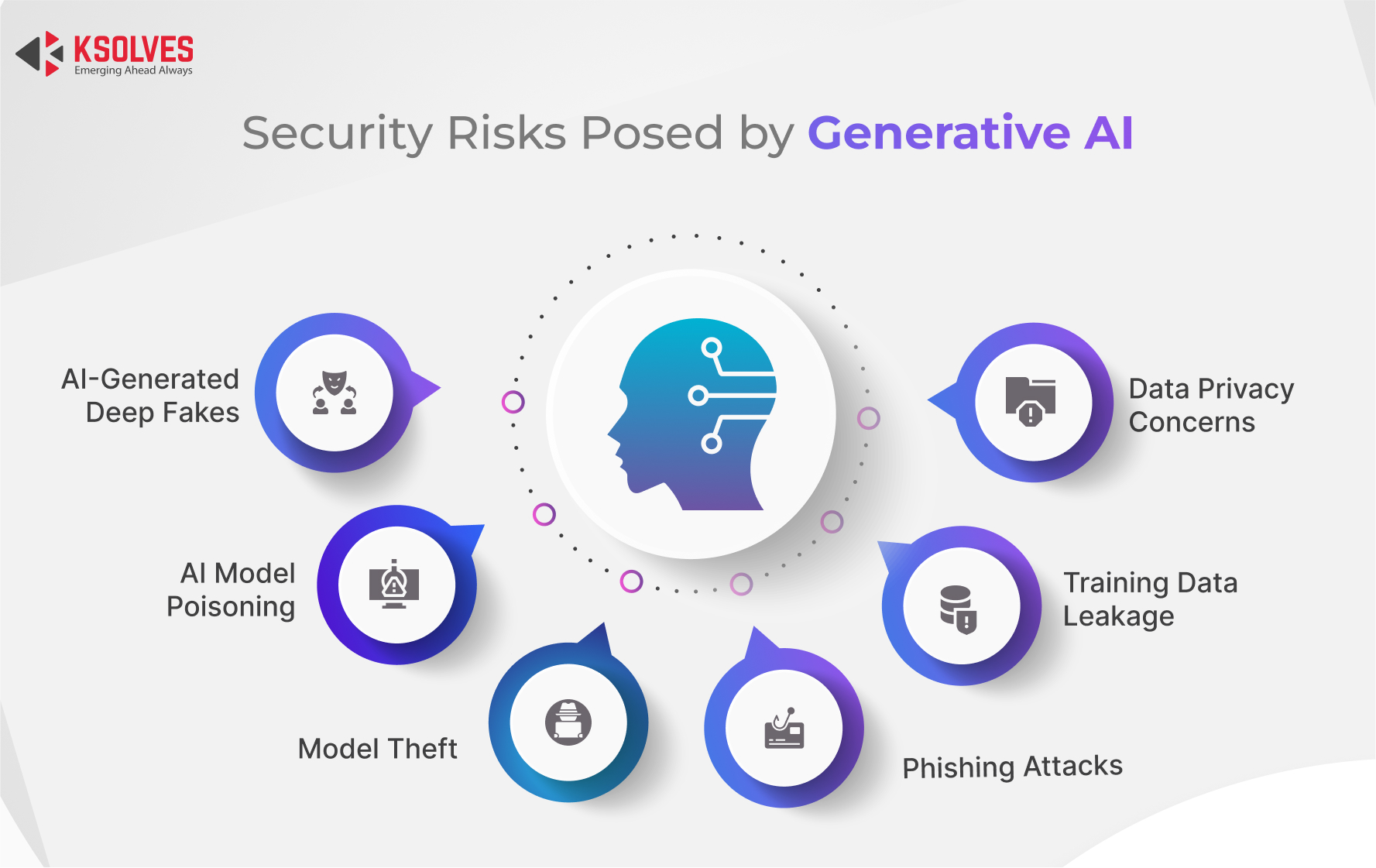
Consider what is actually breaking things today. Autonomous security exploits are scaling faster than patching cycles. Phishing campaigns have graduated from poorly spelled email drafts to hyper-personalized voice cloning that can fool cautious relatives. Meanwhile, we are actively outsourcing our critical thinking and foundational problem-solving skills to probabilistic text predictors because it is slightly faster than doing the mental heavy lifting ourselves. Yet, these are not cinematic threats worthy of an epic trailer, they quietly degrade our digital safety nets and cognitive stamina every single day.
We need to step away from the theatrical doomsaying and focus on the craft of building responsibly. Software has always required rigorous guardrails, skeptical testing, and a healthy respect for unintended consequences. Instead of gambling on whether tomorrow's artificial intelligence will wipe out humanity, let us worry about whether today's software actually works, respects our privacy. And leaves us smarter rather than lazily dependent.









