Breathing New Life Into Old Hardware With Lightweight Linux Projects
Stop throwing away perfectly good computers. A modest machine running Linux can quietly handle serious infrastructure around your house....
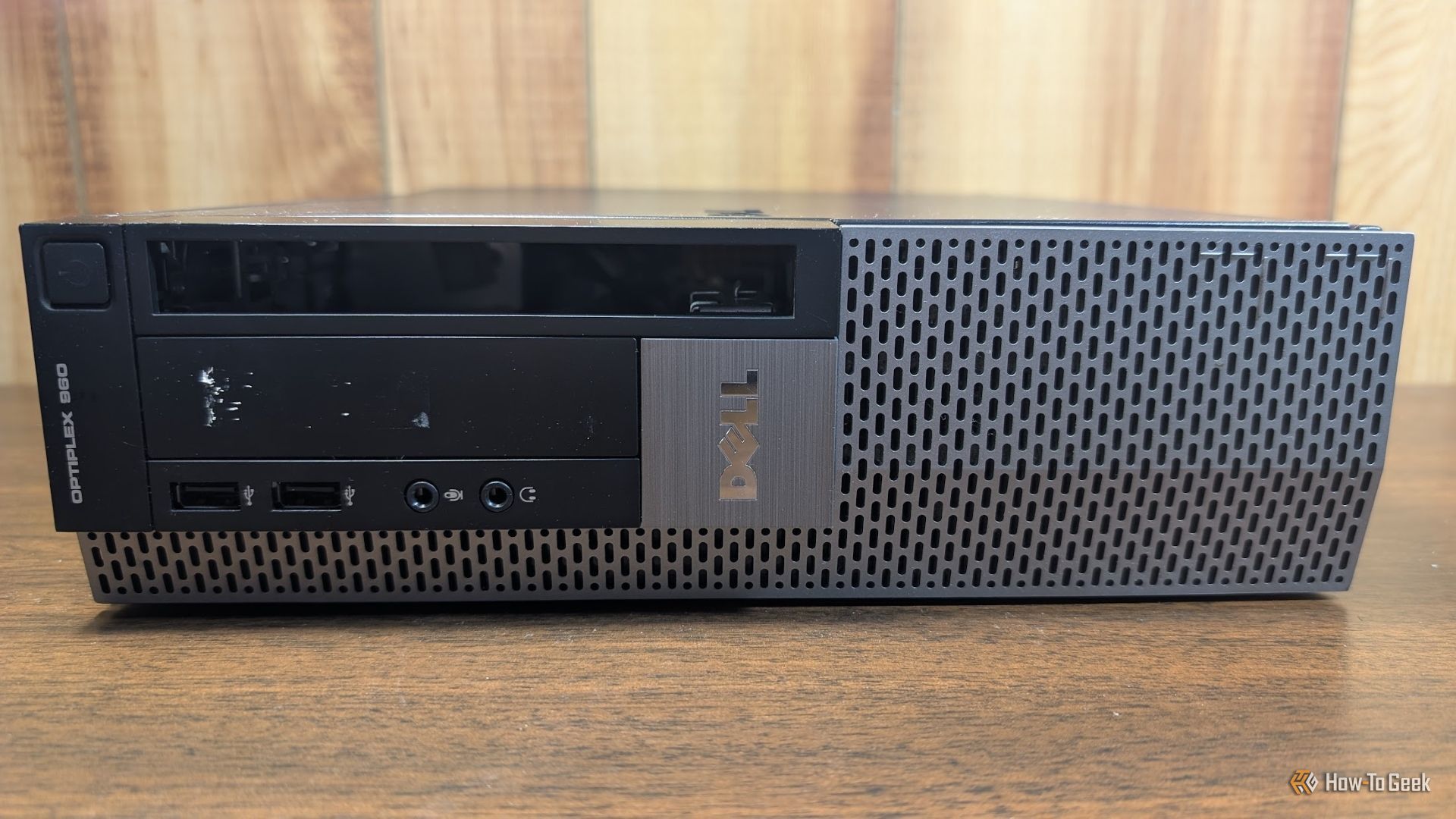
We have a cultural sickness for upgrades. The tech industry loves convincing you that a four-year-old machine is basically a paperweight, pushing relentless compute cycles for tasks that really just need a text editor and a network socket. I call BS on that. That dusty desktop sitting in your closet – the one with a couple of gigabytes of RAM and a tired processor – is more than capable of doing real work. It just needs the right operating system and a bit of focus.
Instead of letting old gear gather dust or sending it to an early recycling grave, put it to work on your local network. You don't need a beastly rig to run useful linux projects that quietly sit in the background and solve actual problems. Take PXE booting, for instance. Setting up a local boot server means you can ditch the drawer full of flaky USB flash drives and push OS installers, rescue environments, or diagnostic tools straight across your LAN whenever a machine needs a fresh OS.
Then there's your reading habit. If you are drowning in digital clutter, technical manuals, and EPUBs scattered across three different laptops, centralize them. Spin up a lightweight ebook server using Calibre-Web on that old hardware, point it at a network share, and suddenly you have your own self-hosted digital library accessible from any tablet or phone in the house without relying on some third-party cloud subscription.

Security is another domain where you don't need bleeding-edge compute. The running a self-hosted password manager like Vaultwarden on modest hardware gives you total control over your credentials without demanding a rackmount server. The CPU overhead is negligible because mostly just handles encrypted database operations and sync requests. It turns out that keeping things simple, local, and out of the cloud is the ultimate upgrade.
Good engineering isn't about buying the most expensive gear on the market. It is about squeezing every ounce of utility out of what you already own. Dust off that old PC, install a clean Linux distribution, and build something useful today.









