Building a Mac App in 11 Days Without Code Proves Vibe Coding Is Here
A veteran developer shipped a paid Mac app in just 11 days using AI and zero traditional code, proving the paradigm has shifted....

We need to talk about how software gets made now. Recently, a veteran developer decided to test the limits of modern tooling, spinning up a brand new paid Mac app in eleven days flat using nothing but Claude and conversational prompts. No syntax point out. No manual boilerplate. Just five hundred directives and a finished binary sitting inside Apple's review queue before two weeks had even passed. That sounds like industry hype until you look at the mechanics.
The origin story is practically archaeological. Buried on an old server sat a forgotten Macromedia Director file from the mid-nineties. Packed with over two thousand vintage icons in a dead format. From what I can tell, Instead of manually ripping pixels or hunting down deprecated decoders, the developer handed the ancient archive to an AI assistant and simply described the desired outcome. That translation layer – turning dead file structures into modern native app assets entirely through natural language – is where the real shift happens.
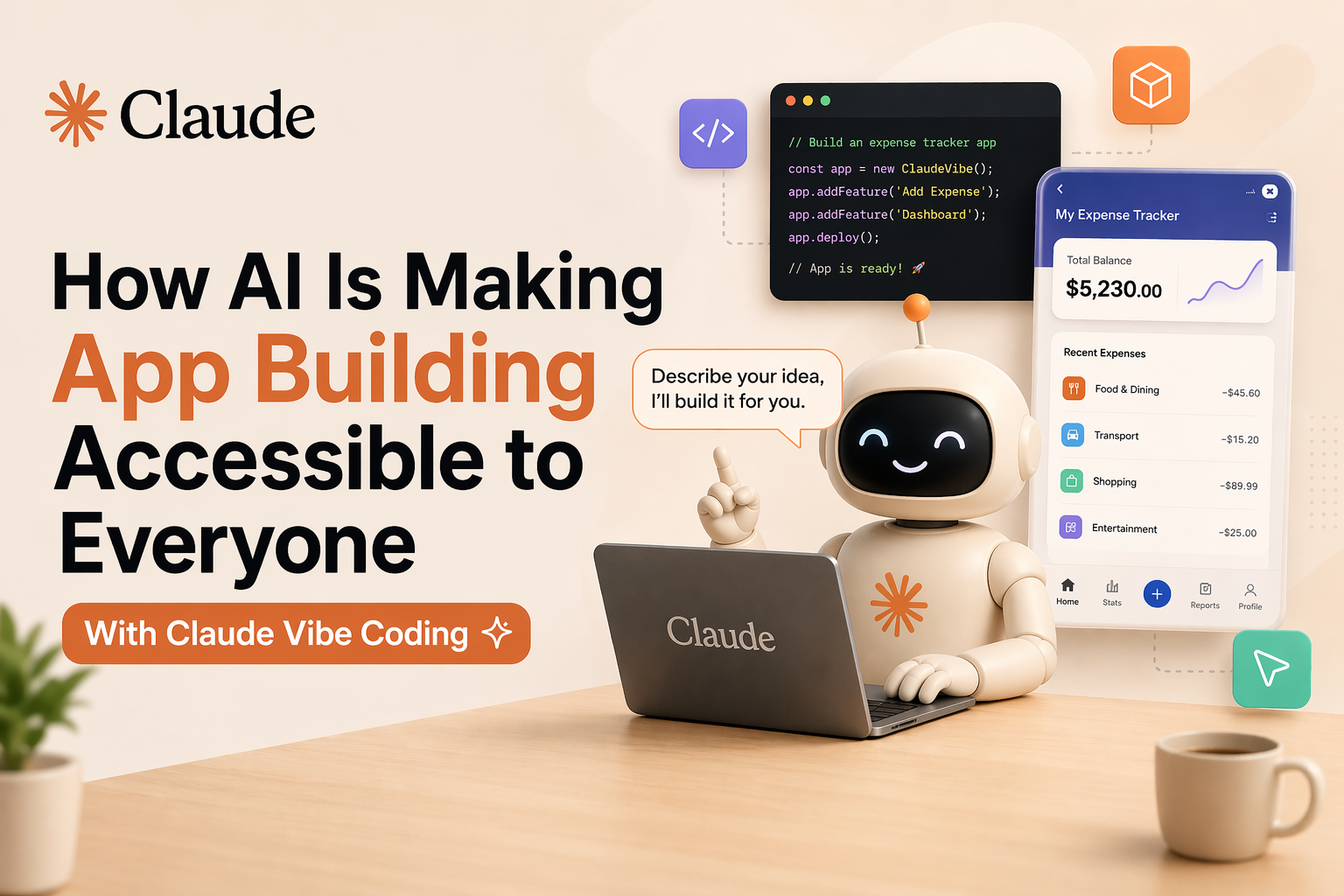
Of course, calling this magic misses the point entirely. The writing 502 distinct prompts isn't waving a wand; it's a grueling exercise in architectural direction, edge-case management, and relentless iteration. In fact, the creator noted that formatting promotional graphics for the App Store took almost as long as wrangling the actual codebase. When the machine handles the syntax, human bottlenecks simply migrate upward. From debugging memory leaks to figuring out promo, asset presentation — and product definition.
This is the new reality of building software. You don't need a massive engineering squad to ship a polished utility anymore, but you do need an extremely clear vision of what you are making. The tools will happily write the code for you, but they still have no idea what is actually worth building. That responsibility remains entirely ours.