Meta’s Muse Glimmer Changes the Local AI Calculus
Meta just dropped Muse Glimmer, an open-source 30B model that actually makes local agentic workflows viable without massive cloud infrastructure....

Most big tech AI drops feel like distant spectacles, locked behind expensive APIs and closed walls, but Meta just did something refreshing. They shipped Muse Glimmer. It is local, agentic, multimodal, and entirely open source. For builders trying to escape the subscription treadmill of cloud providers, this release genuinely moves the needle. Weighing in at 30 parameters, it hits that sweet spot of capability and hardware footprint that small teams can actually host on decent local iron without melting their desks.
Looking past the marketing gloss, the architecture tells a compelling story of engineering pragmatism. Under the hood, you get a compact 2B vision encoder paired with a 28B text decoder, plus an optional DFlash speculative decoding drafter that genuinely accelerates structured output like code generation. It isn't just another chatbot wrapper. Meta built this thing to reason, deal with tool use, and interact natively with operating systems and codebases. The day-0 integration support across llama. Cpp and vLLM means you can test it immediately instead of waiting months for ecosystem plumbing to catch up.
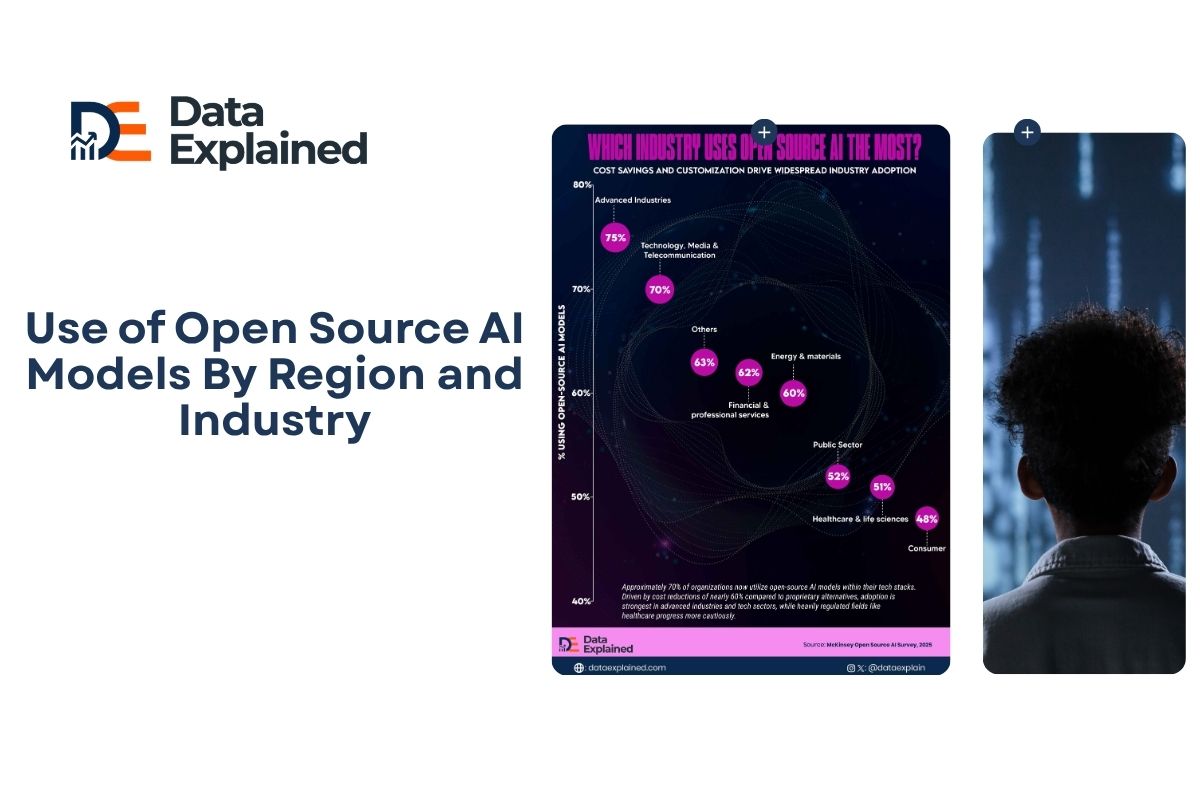
Of course, raw benchmark grids always demand a heavy dose of skepticism. Meta’s numbers put Muse Glimmer right up against heavyweights like Gemma and Qwen, often leading in specialized agentic tasks like MCP Atlas and DeepSearch QA while showing competitive chops on coding benchmarks like SWE-Bench. But benchmarks are synthetic beauty contests. The real test happens when you hook it up to a messy local codebase or point it at an automated workflow that requires genuine multi-step reasoning. Early signs look promising, but deployment grit always reveals the quirks.
What excites me most here isn't just the parameter count or the clever hybrid attention layers. It is the steady erosion of closed-source moats. Point being, every time a major lab drops a legitimately powerful open model with first-class local runtime support, the power shifts back toward individual developers and small teams building specialized tools. Finally, we are moving past the era where doing serious agentic work required renting expensive server time. Grab the weights, spin it up locally, and see what it can actually do for your workflow.