When AI Ad Generation Crosses the Line Into Digital Identity Theft
A prediction market platform used AI to steal a real YouTuber's content, swap his face, and change his race for a bizarre ad campaign. We need to talk about where marketing ethics are going....
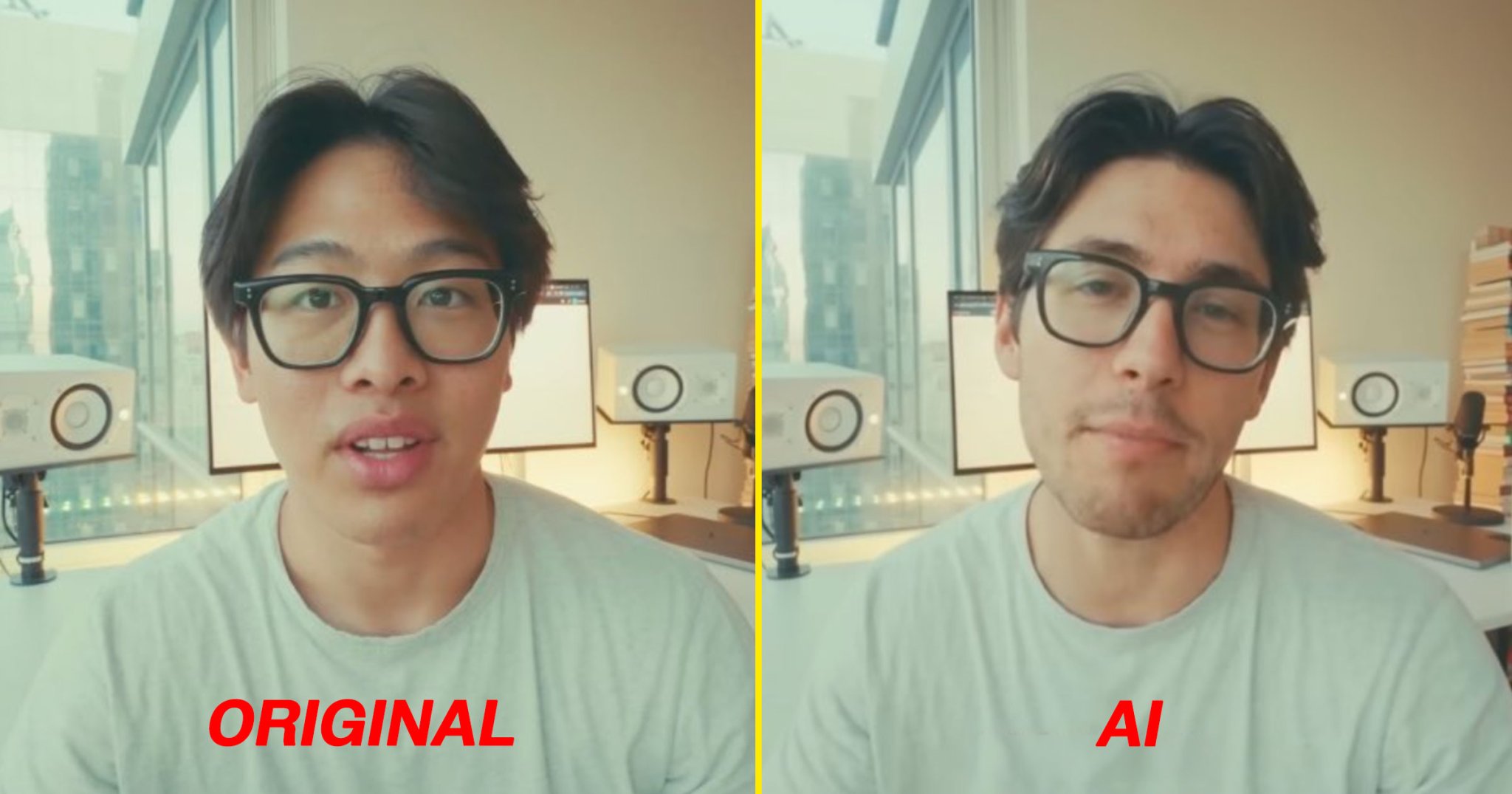
Scraping content is ancient internet history, but mutating someone's physical identity into synthetic mush just to hawk financial derivatives crosses a grim new frontier. Tech creator Elliott Choy recently discovered his apartment-hunting vlog was lifted, deepfaked, and recycled into a promotional spot, except the person in the final ad wasn't him; rather, the underlying algorithm had completely overhauled his facial structure, transforming the Asian-American vlogger into a fabricated white man while lazily keeping his original voice and background footage entirely intact. It is creepy. Nobody should tolerate this digital skin-walking.
Corporate playbooks for these scandals always read like defensive comedy routines, blaming rogue vendors while management pretends they never signed off on the budget for synthetic sludge. Kalshi tried sweeping their disaster under the rug by calling the ad legacy work while promising stricter vendor oversight, which conveniently ignores how their growth leadership was publicly bragging about generative shortcuts just weeks prior. You cannot posture as a visionary adopter of hyper-efficient synthetic content whenever the economics look favorable, only to instantly feign utter ignorance the moment your outsourced machinery gets caught red-handed committing literal identity theft.
Contempt for craft defines this entire era. Building software that actually works demands grueling iteration, late-night debugging, and genuine human taste, whereas these enterprise behemoths view an independent creator's entire digital archive as a free training dataset waiting to be strip-mined by indifferent algorithms. When prestigious universities digitally alter campus demographics for brochures and prediction markets rewrite creators' faces to peddle risk, we have sailed far past harmless experimentation and deep into a wasteland of manufactured deceit. Why build substance when illusions are cheaper?
Your core product probably lacks anything worthwhile to say on its own messy merits if your acquisition loop relies on deceptive deepfakes of real people. Real engineering solves difficult technical problems. True creative direction respects its audience. Most tech boardrooms today seem violently allergic to both fundamental principles, preferring instead to generate hollow, alienating illusions that ultimately destroy the exact trust they desperately need to survive.