The M5 Ultra Mac Studio Benchmark Proves Silicon’s Relentless Climb
A fresh benchmark for the top-tier Mac Studio reveals a staggering sixfold leap in multi-core compute since the original M1....
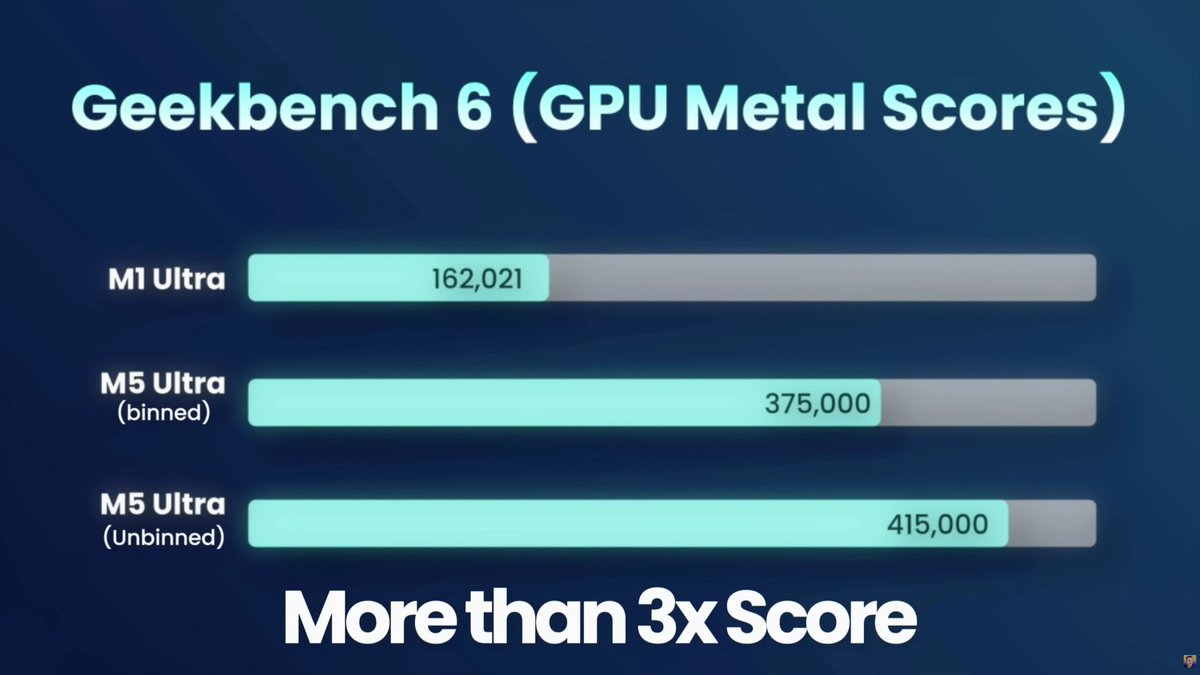
Remember when Apple Silicon was just a risky experiment that skeptics swore would collapse under heavy professional workloads? Those doubts look pretty foolish right now. Apple just dropped its latest silicon flex, and the numbers are nothing short of absurd.
A fresh M5 Ultra Mac Studio benchmark floating around Geekbench lists a 36-core CPU paired with a massive 256GB of RAM pulling a single-core score of 3,774 and a blistering 52,516 on multi-core. That translates to roughly a sixfold surge in multi-core compute power compared to the first-generation M1 chips we tested years ago. Six times. Let that sink in for a minute.
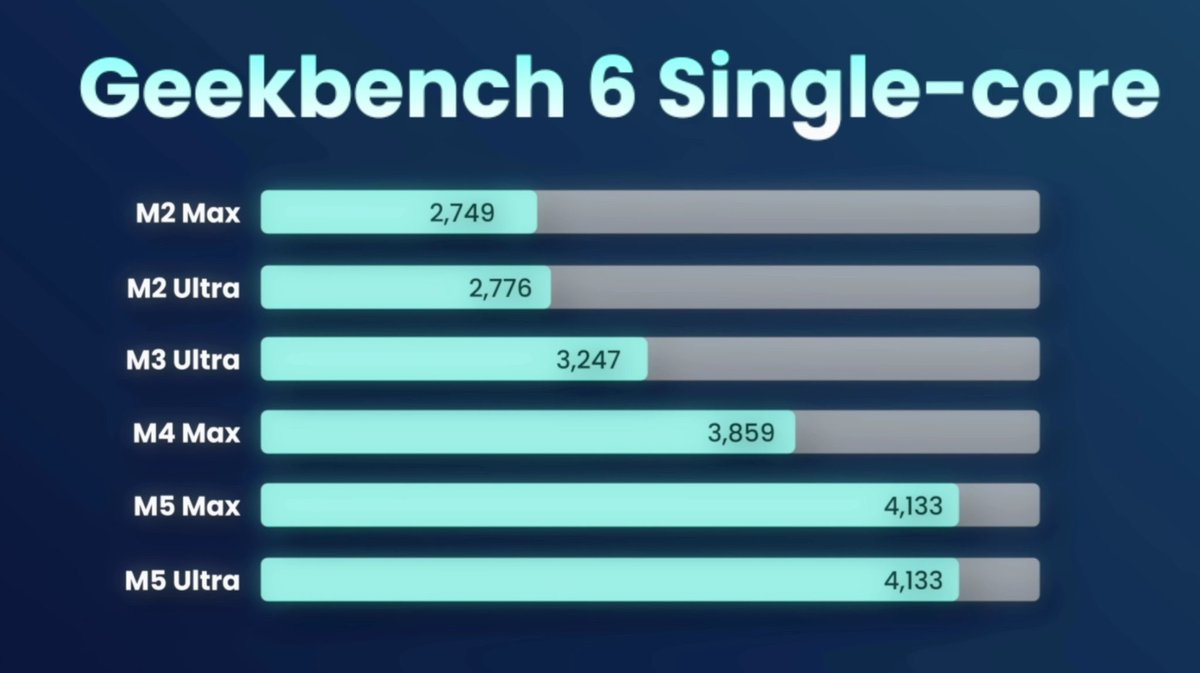
We live in an industry obsessed with hollow promo fluff and endless hype cycles. Raw engineering milestones like this genuinely catch my attention. While everyone else chases buzzwords, Apple quietly built a monolithic desktop machine that devours heavy parallel tasks without breaking a sweat. Completely redefining what local workstation results looks like for small teams and independent builders who refuse to rely on sluggish cloud rendering farms.
Sure, dropping eleven grand on a maxed-out desktop configuration is steep. It this, most developers don't strictly need kind of ungodly horsepower to ship web apps. Yet, watching the architecture scale this cleanly over five generations is a masterclass in hardware execution. Results this dense changes how we build, deploy — and think about local computing limits. And that's key.









