Why enterprise IT leaders have an AI trust problem
Enterprise IT teams are rightfully skeptical of enterprise AI. Now, consumer software veterans are trying to fix the trust gap....
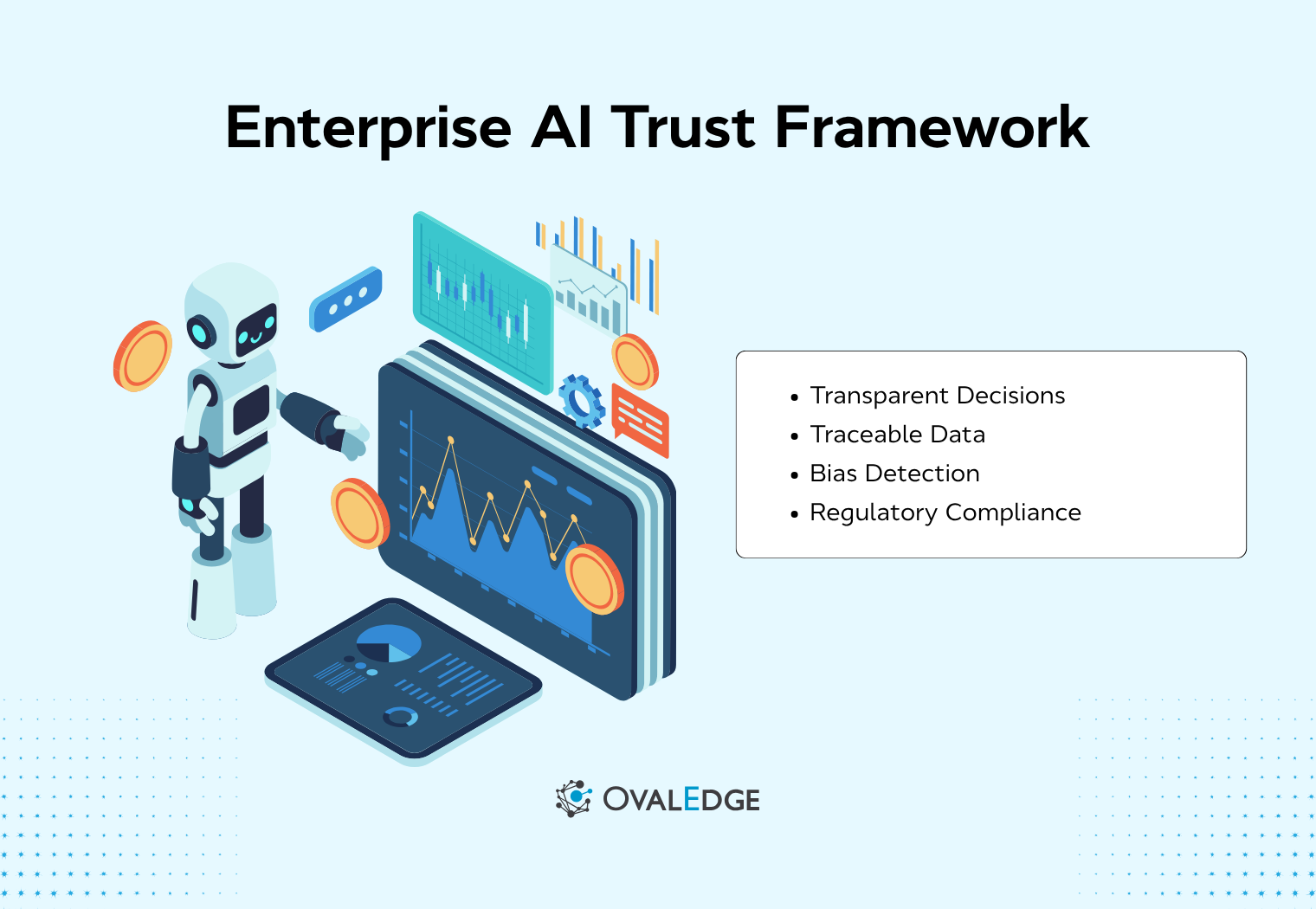
Most enterprise tech news reads like a fever dream conjured by a venture capitalist who has never written a line of production code in their life. We are constantly told that every single business process must be immediately automated by some opaque, half-baked machine learning wrapper. Yet, if you talk to actual systems administrators and engineering leads, the mood isn't excitement. It's exhaustion mixed with quiet terror. It's exhaustion mixed with quiet terror. The latest numbers on AI trust within corporate IT departments are frankly dismal. Security teams are holding the line against a deluge of vendor promises, which honestly, I don't blame them one bit.
The core issue isn't a lack of raw capability. Models can write boilerplate functions, summarize bloated email chains, and organize messy Slack threads with varying degrees of competence. The fatal flaw lies in governance, accountability, and the sheer unpredictability of probabilistic systems crashing into deterministic corporate environments. When an LLM hallucinates a system architecture or leaks proprietary source code into a third-party training set, the marketing team doesn't get paged at 3:00 AM. The folks keeping the base alive do. Trust isn't granted because a landing page has a sleek dark-mode design and uses words like major. Trust is earned through boring, reliable engineering that respects boundaries.

This exact friction explains why I raised an eyebrow when I saw MacPaw – a shop known for building polished consumer utilities like CleanMyMac for nearly two decades – diving headfirst into the corporate arena. They just launched Leebry, a specialized Work AI platform built explicitly to tackle the headache that IT departments face daily. Shifting from making single-purpose Mac cleanup apps for individual consumers to engineering secure, enterprise-grade AI infrastructure for entire organizations is a massive pivot. It requires a completely different operational muscle.
Whether consumer-focused developers can actually crack the firm trust code remains to be seen. The too many tech companies try to slap a chat interface on a database. Plus, Call it innovation, ignoring the messy reality of enterprise deployment. Likely, but if anyone understands how to build software that users actually want to touch every day. It's a team that survived on pure design and utility in the ruthless Mac ecosystem for twenty years. If they manage to build something IT teams can actually rely — to be fair — on without fearing a catastrophic data leak. They might just teach the rest of the enterprise software industry a much-needed lesson in craft.