Big Tech Ruined the Cloud, But We Can Still Reclaim It
When the word 'cloud' starts to feel like a synonym for surveillance and lock-in, it is time for the builders to change our vocabulary....
Let's be honest about what the cloud has become. It used to sound like weightless innovation, a clean abstraction for modern base. Today? It tastes like subscription creep, forced telemetry, unpredictable outages, and walled gardens designed to trap your data forever. Big Tech took a genuinely useful architectural concept and turned it into a tollbooth.
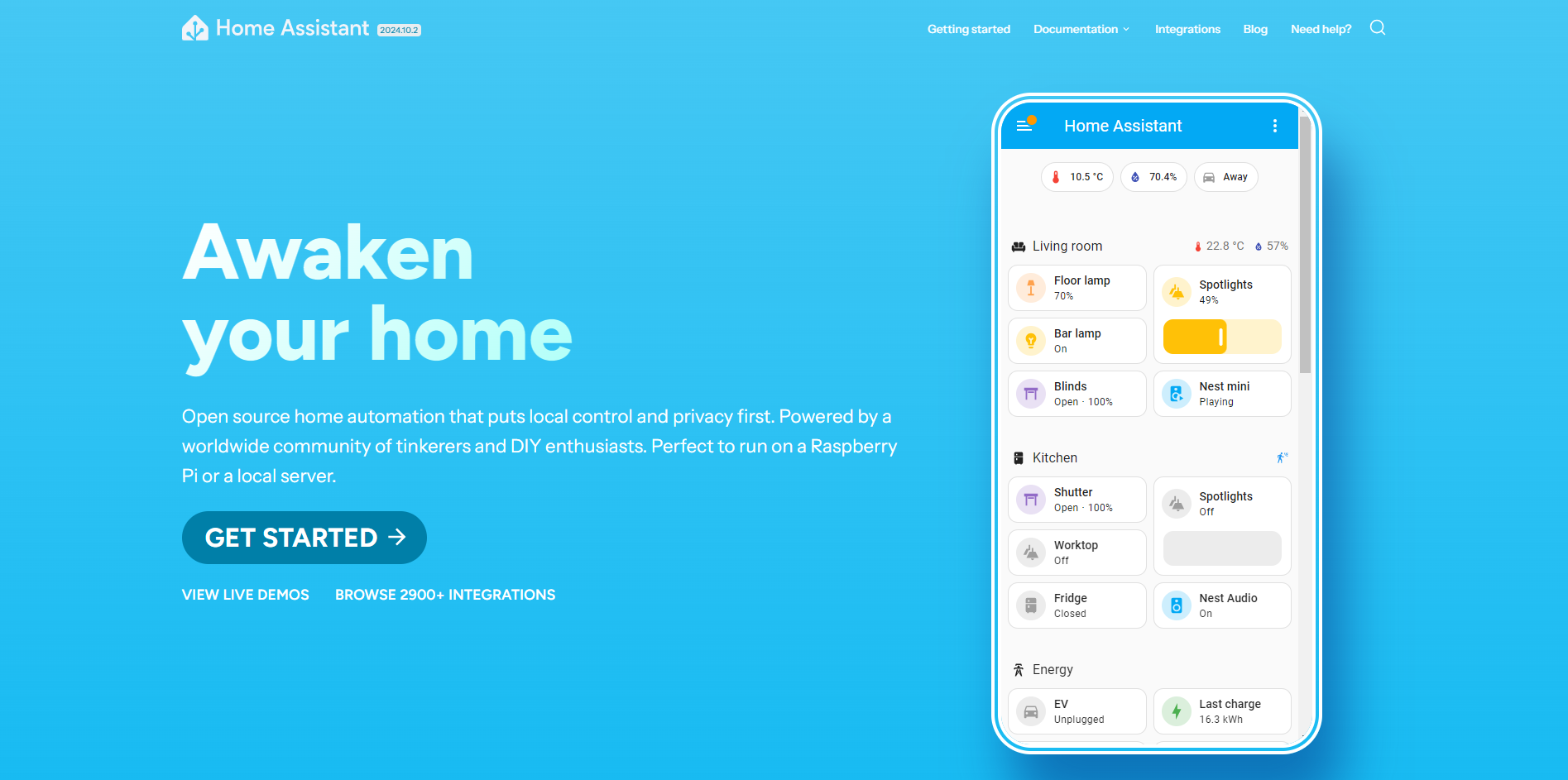
That is precisely why I love the recent move by Nabu Casa to rebrand Home Assistant Cloud to Home Assistant Link. For years, the team faced a ridiculous linguistic hurdle. The founder would stand on stage telling users to avoid products requiring remote servers, only to turn around and explain why their own service – which funds the entire open-source project – used the cursed c-word. Names matter. When a word carries baggage about data harvesting and corporate rent-seeking, you drop it.
True to form, they even stripped the term from their corporate branding. Good. We need more of that ruthlessness when dealing with polluted marketing buzzwords. People often assumed the old name meant hosting their home automation on some distant corporate server anyway, entirely missing the core tenet of good engineering: your hardware should run locally in your house, where you control the power switch.
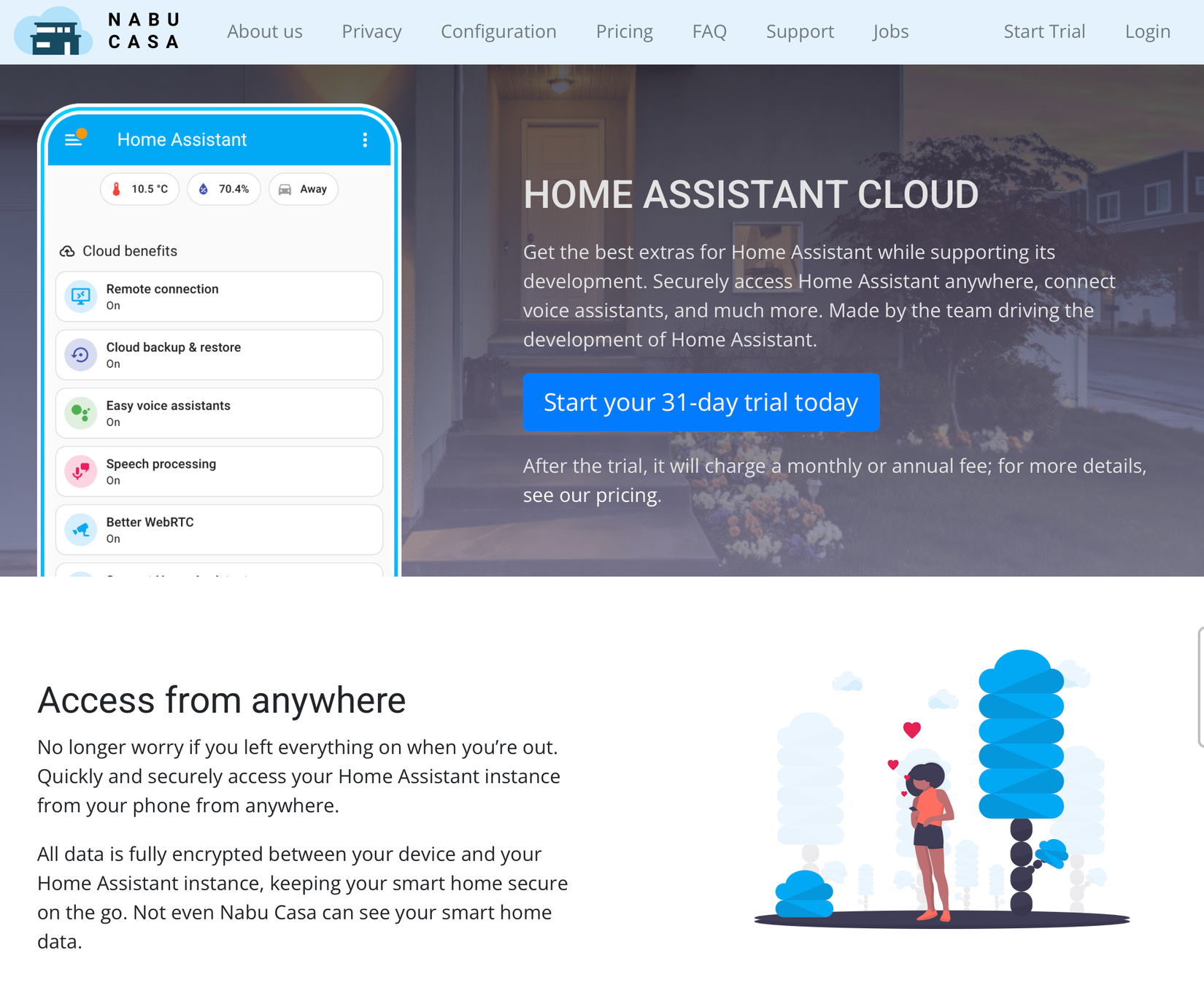
Services should exist to serve the user, not to lock them into an inescapable ecosystem while extracting monthly tithes. Real talk: link is essentially a bridge for remote access, designed to fund core developers without compromising local-first setup. Venture, it operates as an ethical — and this matters — bargain, routing profits back into sustainable open-source base instead of capital portfolios. Think about it.
We need to stop accepting vocabulary dictated by conglomerates that view our digital lives as raw material to be monetized. Call things what they actually are. Build tools that respect user sovereignty, fund the maintainers doing the real work, and refuse to let hyperscalers ruin how we talk about building software.