Waymo Fleet Data Proves Mass Scale Still Lives In Just Two States
Waymo’s expansion looks like a nationwide takeover on paper. Look at the fleet data, though, and a very different picture emerges....
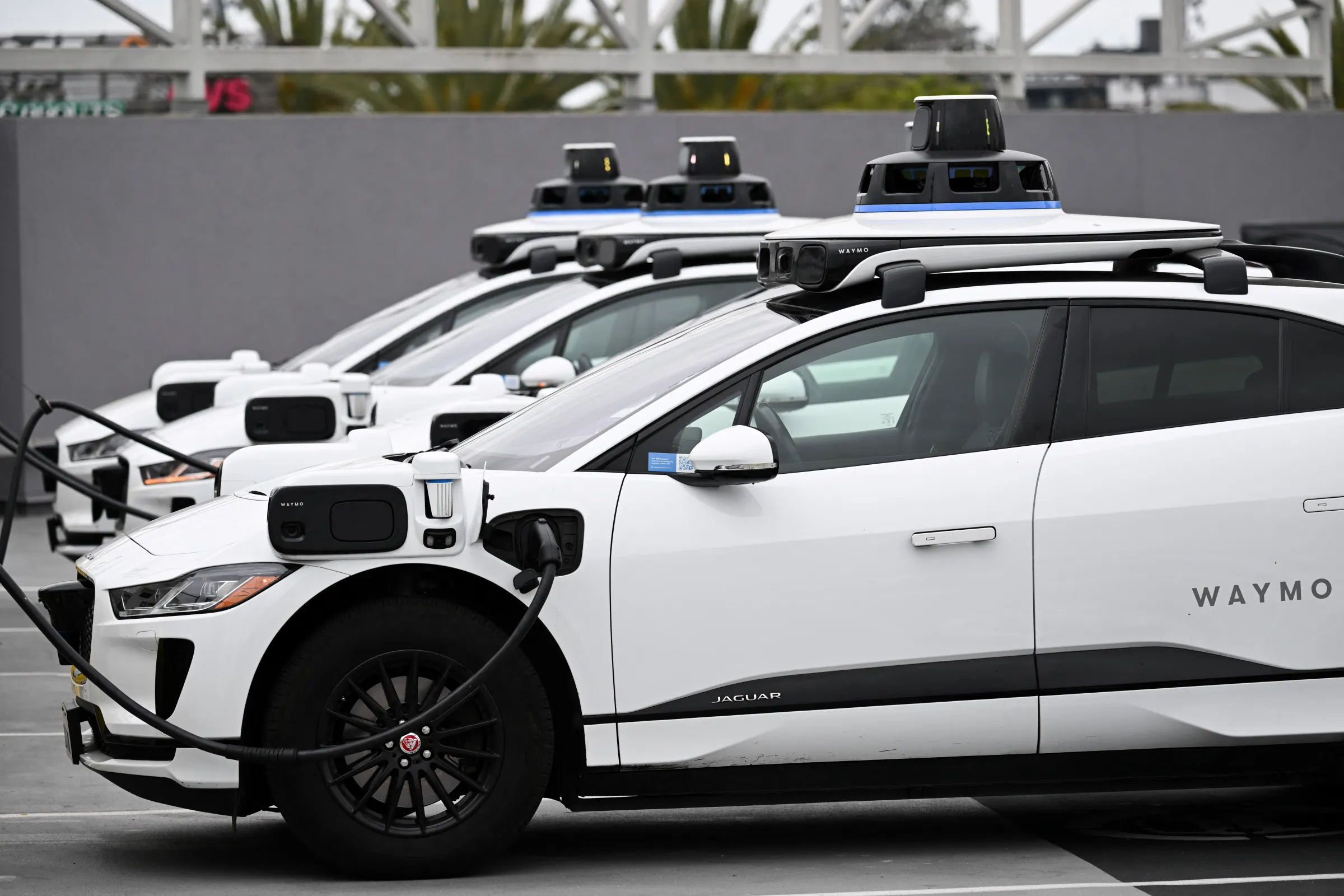
Waymo loves to talk about nationwide momentum. PR pushes point out a sudden leap to fifteen cities; a half-million paid trips every single week. It sounds like the autonomous future has finally arrived at your doorstep. But if you actually look at the underlying fleet data, the reality is far more concentrated than the headlines suggest.
Strip away the glossy press releases and follow the physical vehicles. About eighty percent of their entire four-thousand-car inventory is crammed exclusively into California and Texas. The rest of the country gets a rounding error. Silicon Valley gets the nostalgia play and early adopter applause, but Texas is where the real land grab is happening right now, with registrations surging nearly fifty percent in a matter of weeks.

That sudden Lone Star spike isn't happening by accident, nor is it fueled by the familiar luxury electric SUVs we saw in earlier rollouts. Instead, it is being driven by a massive influx of Chinese-built minivans from Geely's stable, heavily modified with Waymo's sixth-generation sensor suite and rebranded as the Ojai. Tariffs and trade friction be damned; they needed volume, and they needed it yesterday.
This is what real industrial scaling looks like when the venture capital music stops playing and you actually have to deploy heavy steel onto real asphalt. It's messy, geographically lopsided, which heavily reliant on foreign manufacturing partnerships. The robotaxi revolution is moving fast, sure. Just don't expect it in your neighborhood anytime soon unless you happen to live in a handful of very specific, high-density markets.