Fixing LLM Inference Downtime with Shadow Engine Recovery
A server crash shouldn't mean a five-minute blackout. Here is how shadow engine recovery is finally fixing the brutal cold-start problem in production LLM inference....
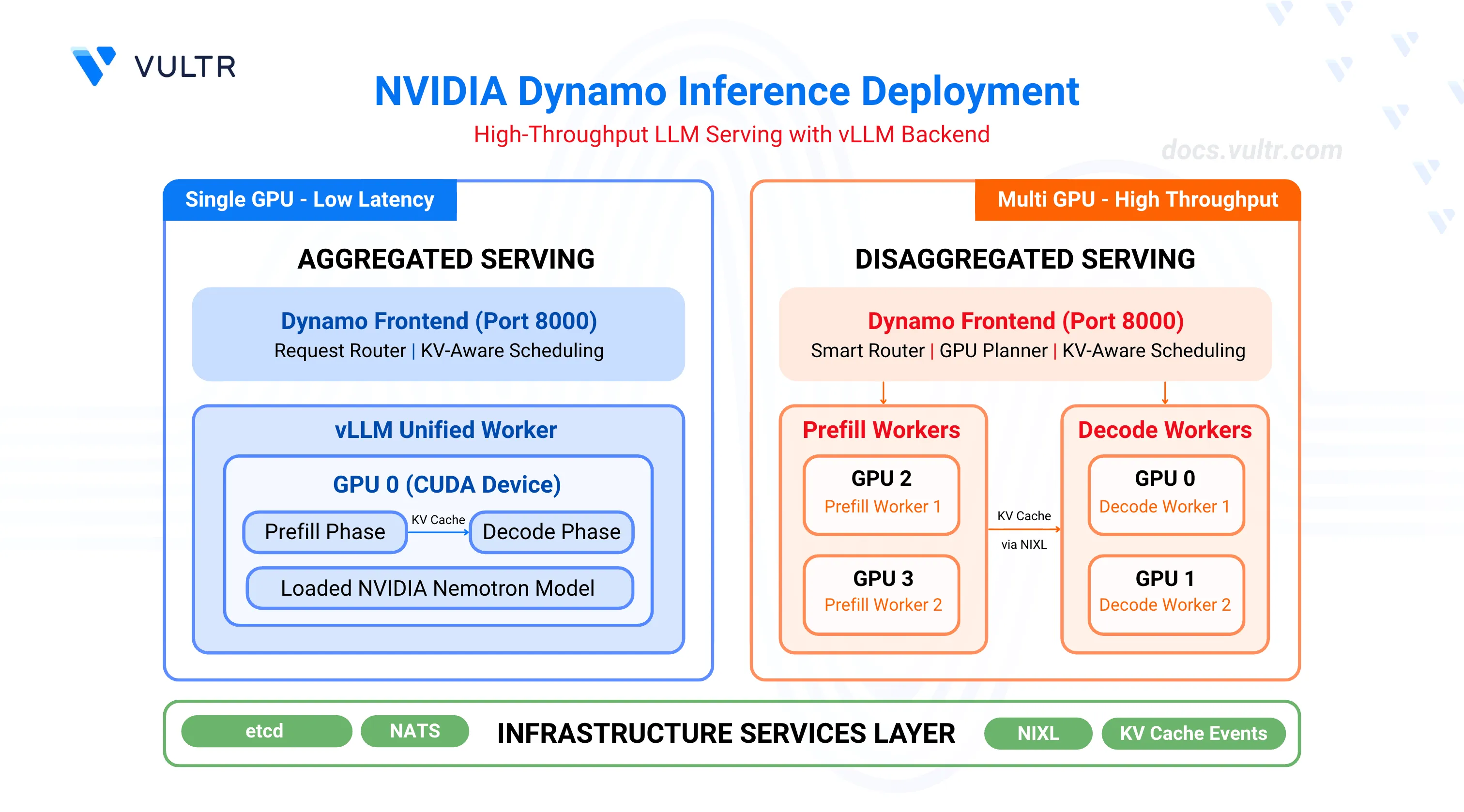
You know that quiet kind of panic when a production LLM worker drops offline during peak traffic, leaving your surviving nodes to absorb a brutal beating while latencies skyrocket and users receive stale responses that make you deeply question your entire infrastructure stack?
That root cause is structural rather than mysterious because when a serving process crashes, the entire CUDA context vanishes into the ether. Because when a serving process crashes, the entire CUDA context vanishes into the ether. Distributed communicators like NCCL remain permanently tied to that dead process ID – meaning you can't just hand off state without paying the full initialization tax every single time a transient fault occurs. Meaning you cannot just hand off state without paying the full initialization tax every single time a transient fault occurs.
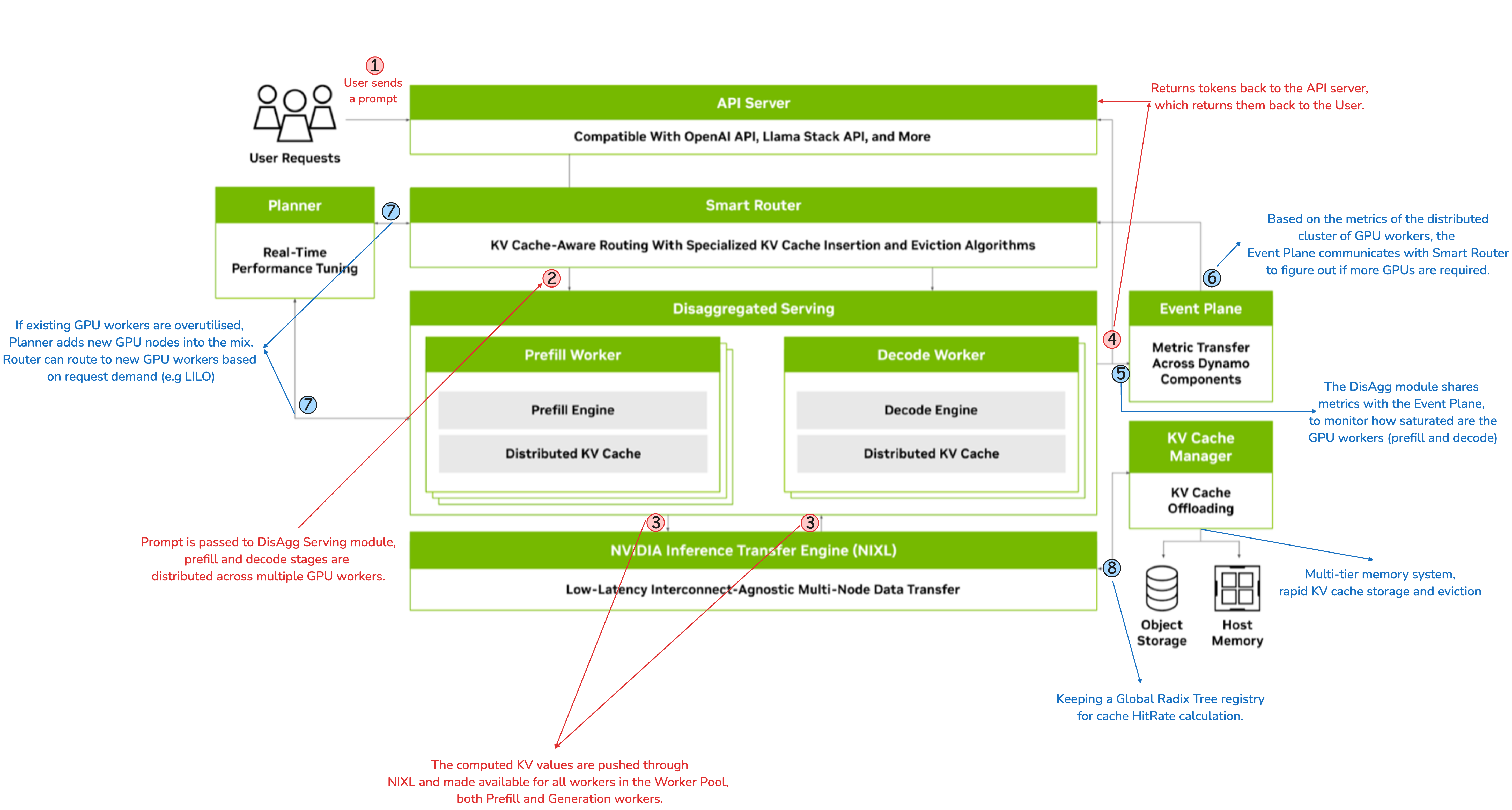
Shadow engine recovery in NVIDIA Dynamo finally addresses this absurdity by keeping a fully pre-warmed standby engine sitting idle on the exact same silicon so it simply takes the wheel in seconds while background re-initialization happens completely off the serving path.
Throughput metrics speak for themselves.
And utilizing persistent memory regions turns a catastrophic multi-minute outage into a momentary blip, which is precisely the kind of practical, low-level engineering that actually makes distributed AI systems feasible at scale.









