Novel AI Use Cases Are Fascinating Developers Even When Users Remain Skeptical
A new survey reveals a sharp divide over experimental artificial intelligence features, proving that technical fascination doesn't always translate to everyday utility....
We love to obsess over the bleeding edge, but everyday users often just want software that gets out of their way. A recent industry survey point out a fascinating disconnect right now: a surprising number of people find themselves genuinely intrigued by every novel AI use case that drops, yet a vocal contingent remains completely unconvinced of its actual value. As builders, we see this tension firsthand every single day.
The tech ecosystem has a chronic habit of celebrating capability over utility. It we build incredible machine learning pipelines and complex generative wrappers because the engineering is thrilling, not always someone asked for it. When a new survey shows widespread curiosity mixed with heavy skepticism, I think it is actually a healthy sign. It means people are finally looking past the, to be fair, promo gloss. And, asking the hard question: does (to be fair) this actually solve a real problem in my workflow?
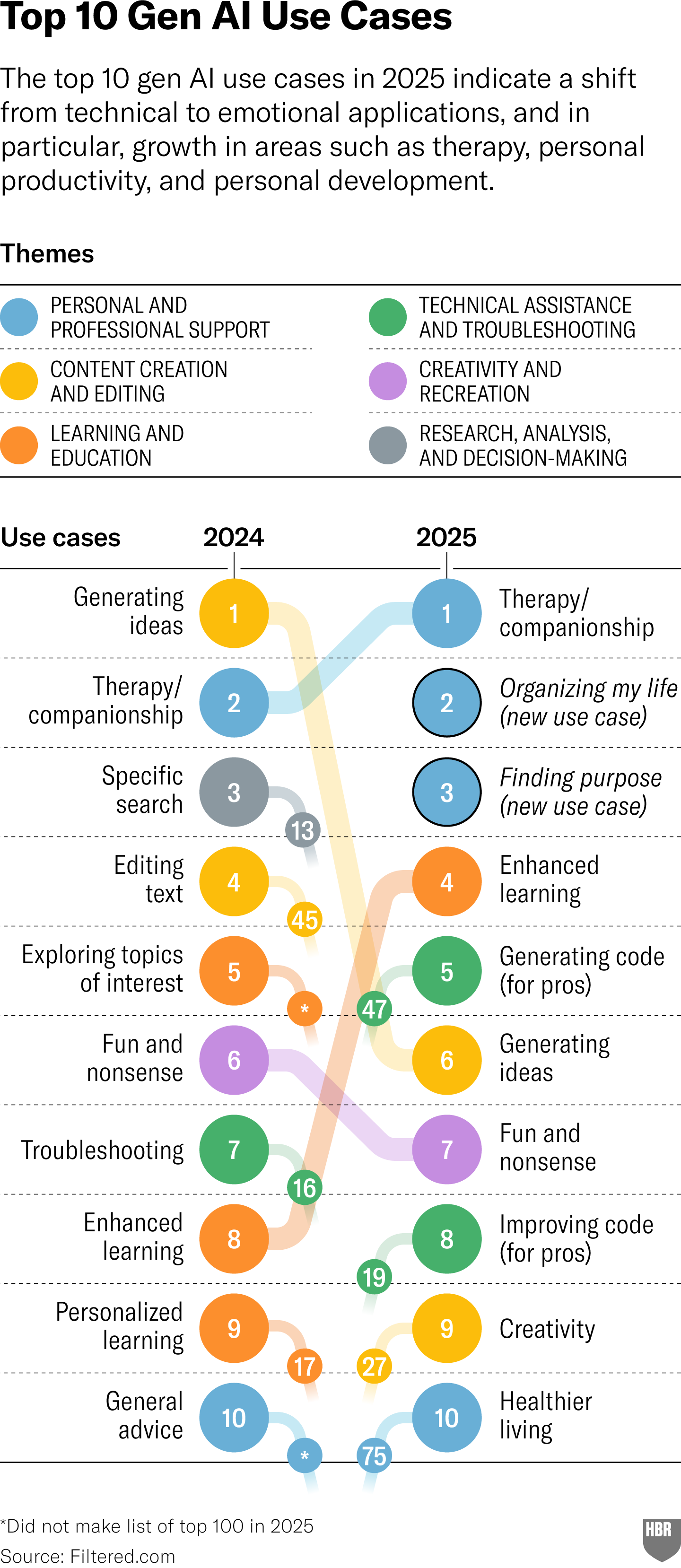
Part of the friction comes from how these features are packaged. It too many software products treat artificial intelligence as a mandatory sprinkle rather than a precision tool. Rightly, when an test feature feels bolted on just to satisfy a quarterly pitch deck, users push back. Real craft in software development means knowing when to use advanced automation and a simple deterministic script is entirely sufficient.
In the end,, interestingly, the gap between being intrigued by a concept. The thing is, the and, adopting it into daily habits comes down to execution and trust, if that makes sense. The tools that survive this hype cycle will not be the loudest ones or the ones with the most factors. The tools that survive this hype cycle won't be the loudest ones or the ones with the most factors. They'll be the quiet, reliable utilities that respect user autonomy and deliver genuine use without demanding a massive learning curve. They'll be the quiet, reliable utilities that respect user autonomy and deliver genuine use without demanding a massive learning curve.









