Automating Screenshot Organization With a Local LLM
I spent a weekend rigging a local LLM to automatically name and sort my screenshots, and honestly, I am never going back....
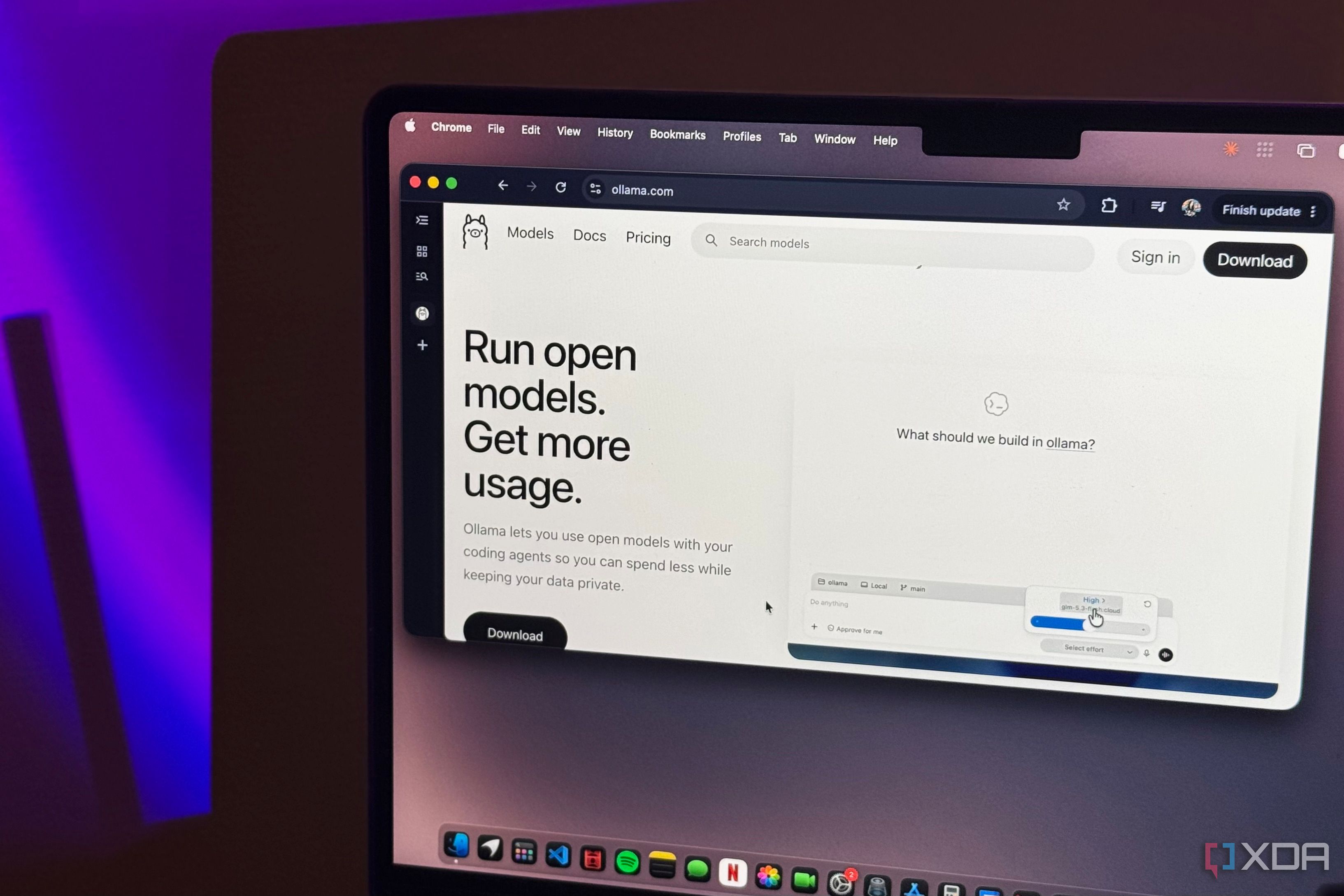
I have a confession to make. I waste an embarrassing amount of time every single day renaming messy screenshots. If you write or build for the web, you know the pain. You grab a quick image reference, stash it away, and three weeks later you are staring at a chaotic mess of files named Screenshot_2024_11_04_at_12.42.15.png that offer zero context about what they actually contain. It is tedious. It breaks your focus. It is the kind of microscopic friction that quietly drains your cognitive energy over time, forcing you to stop coding or writing just to hunt down a single visual asset.
Recently, after seeing someone hack together a cloud-dependent macro for this exact problem, I decided to build something better. I wanted a truly local LLM screenshot organizer that could run entirely on my machine without leaking my junk data to some third-party server. Modern multimodal vision models have completely changed the game here. They do not just guess based on metadata; they actually look at the pixels, parse the UI elements, read the text inside the code editors, and understand what the image is showing with astonishing accuracy. What started as a casual weekend experiment quickly turned into a relentless quest to eliminate file management friction forever.
My initial attempts were clumsy. I tried dragging images into cloud chat interfaces, which technically worked, but left me manually copy-pasting filenames like a caveman. Then I vibe-coded a quick local utility using a lightweight model to handle the generation loop, though it stubbornly insisted on duplicating files instead of renaming them in place. That drove me crazy. I did not want a cluttered directory full of shadow copies. I wanted a silent background script that just watched the folder, grabbed the new incoming images, fed them to a tiny vision model, and instantly swapped those brutal default strings for clean, human-readable slugs.
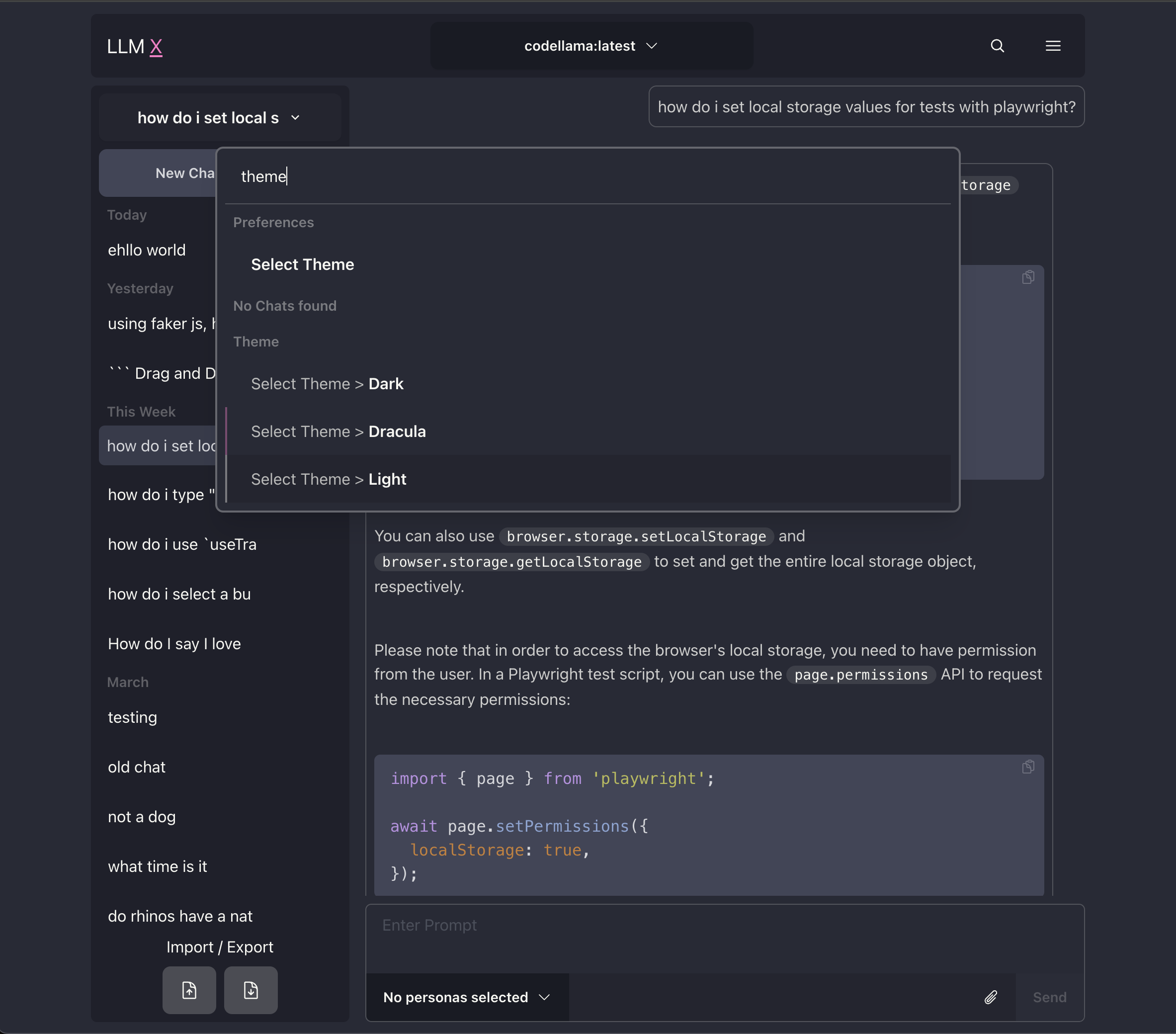
And you know what? It actually works now. Dropping a raw image onto my desktop triggers a near-instantaneous local inspection, a smart semantic filename generation, and a smooth rename operation before I even have time to blink. No cloud fees. No privacy dread. Just honest automation solving a stupidly mundane problem. We spend so much time chasing complex, multi-layered enterprise software solutions when sometimes the most satisfying engineering victories come from fixing the tiny, daily annoyances that have been wasting our time for years.
Building your own small automation scripts is remarkably rewarding. If you are tired of spending your afternoons playing digital archivist for a mountain of unorganized image files, spin up a local vision model and reclaim those minutes.









