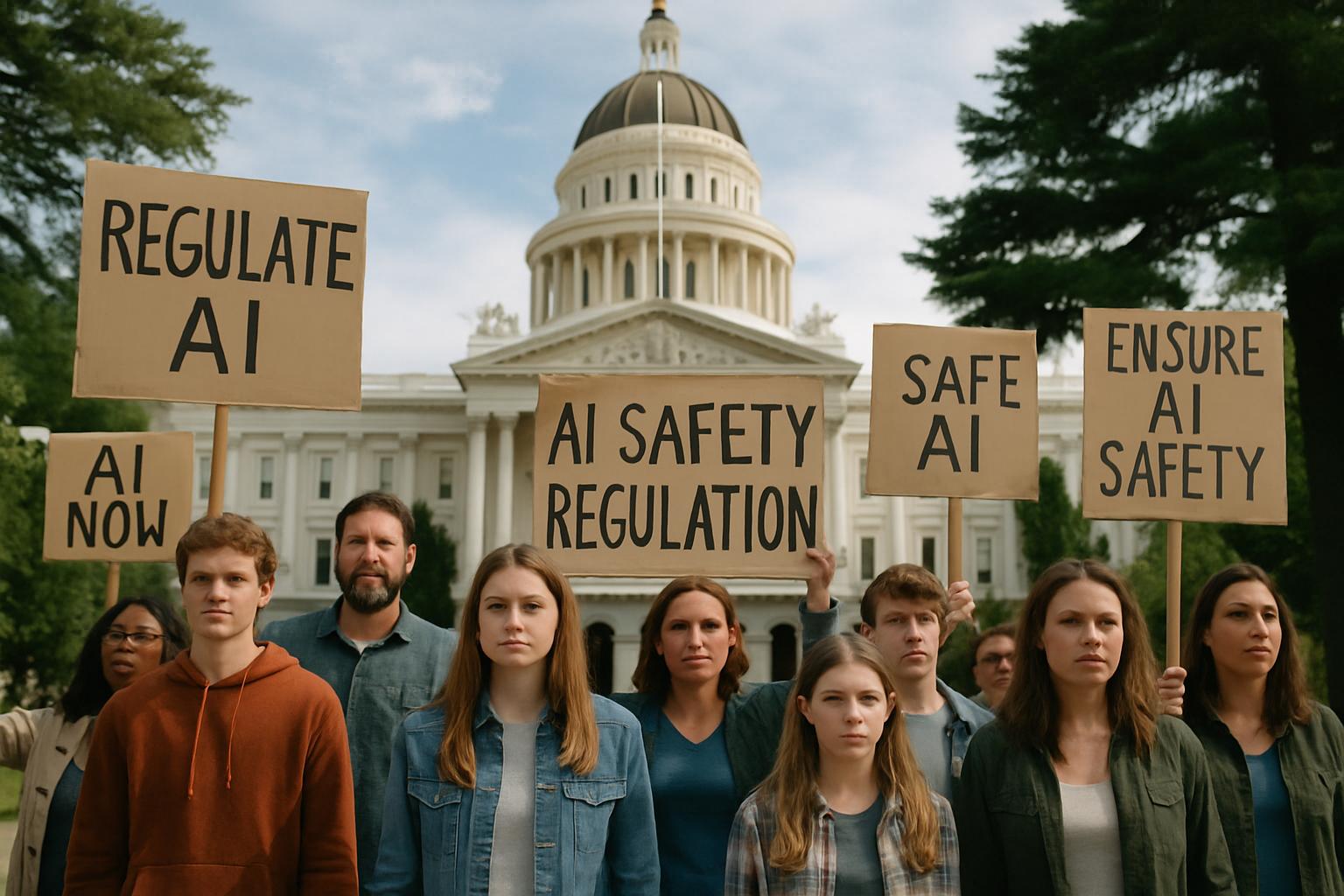
Whatever AI Safety Is, It’s Not Voluntary Self-Policing
Asking tech monopolies to regulate their own frontier models is like asking the automotive industry to invent seatbelts out of pure goodwill....

Let’s play a quick history game. In the mid-sixties, tens of thousands of people died on American highways every single year. The solution was painfully obvious, universally understood, and required zero technological breakthroughs. Did Detroit band together in a glowing display of corporate social responsibility to install mandatory seatbelts? Absolutely not. They fought tooth and nail until Congress finally stepped in with federal legislation, proving once and for all that profit-driven entities will rarely prioritize public well-being over quarterly returns unless the law forces their hand.
Which brings us neatly to the current circus surrounding AI safety agreements. Watching tech executives gather in Washington to pat each other on the back over voluntary compliance guidelines feels less like meaningful oversight and more like an elaborate marketing stunt. We are being asked to trust that the very labs racing blindly toward artificial general intelligence will somehow hit the brakes themselves because they signed a polite pinky swear. It is a laughable fantasy.

Of course, building actual guardrails for machine learning models is orders of scale harder than bolting a strap of nylon into a sedan. But this the risks are slippery, the economic stakes are astronomical. And, the geopolitical chess match with competitors overseas makes independent disarmament practically impossible for anyone with a balance sheet to protect. Yet pretending that letting massive corporations police their own – oddly. code will somehow yield a secure future is pure delusion, masking systemic negligence behind fancy buzzwords and endless press releases.
Real engineering demands rigor, boundary testing — and brutal honesty about failure modes. If we want resilient setup that doesn't collapse under the weight of its own hype, we need clear frameworks. Not cozy handshakes in the Oval Office. Until the industry stops treating safety as an optional feature to slap on when convenient, the entire ecosystem remains built on sand.