vLLM V0 to V1: Why Correctness Beats Corrections in Reinforcement Learning
Migrating your inference engine during RL training is a minefield. Before you touch your hyperparameters, fix your backend....
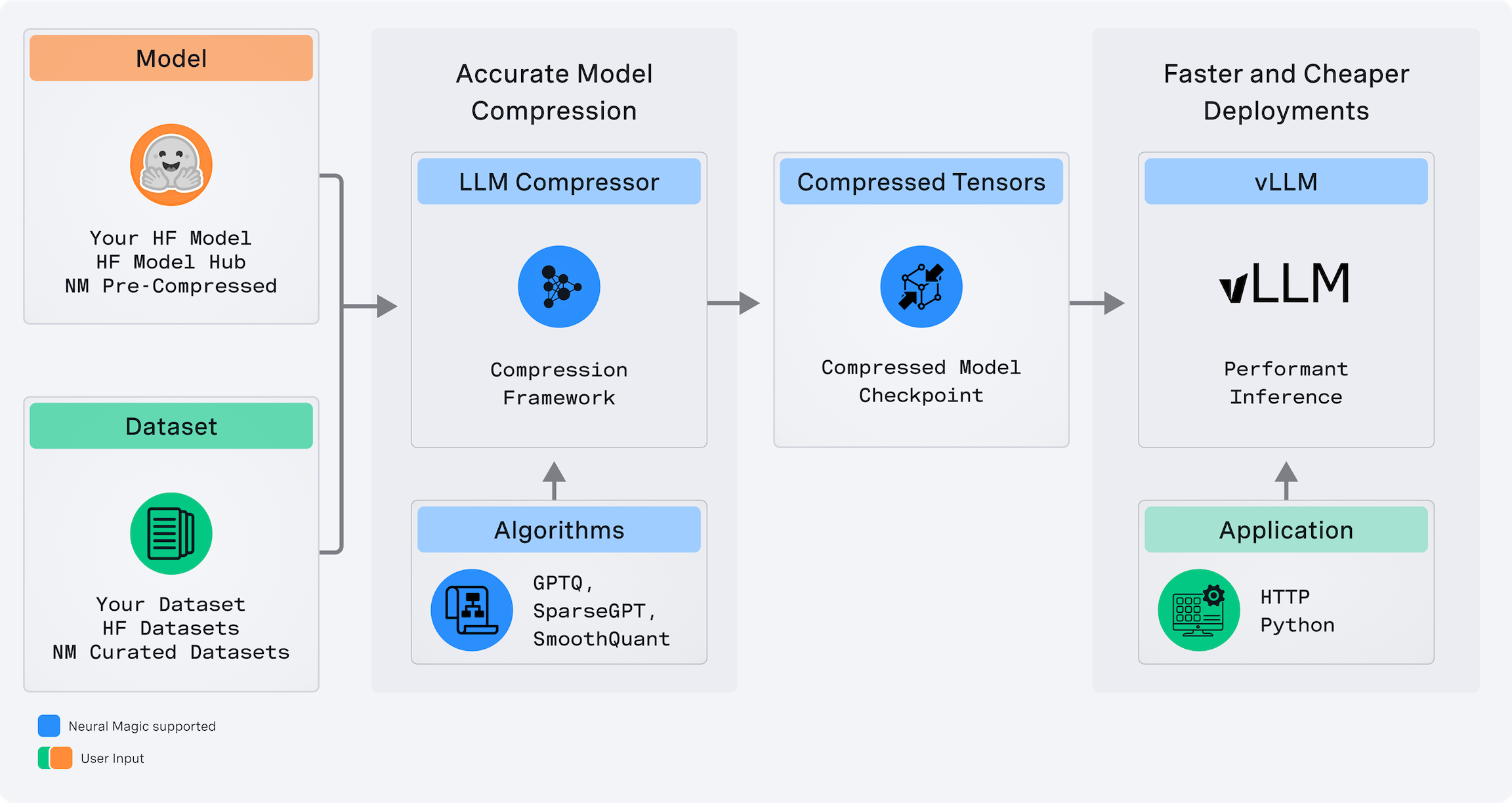
When you run reinforcement learning on large language models, changing your inference engine mid-project usually feels like performing surgery on a rollercoaster. Upgrading from vLLM V0 to V1 should be a clean win. But reality is rarely that tidy. The engineering team at Hugging Face recently shared a masterclass in methodical debugging when moving their RL pipelines to the heavily rewritten V1 architecture. Instead of immediately tweaking their objective functions or adjusting hyperparameters when training curves started drifting, they did something remarkably disciplined. They locked down backend correctness first.
The initial symptoms during their GSPO training runs were subtle yet catastrophic. It depends. It is tempting in those moments to panic-patch the math, so you start to question your loss functions. It is tempting in those moments to panic-patch the math. So you start to question your loss functions. You adjust learning rates — you assume the RL objective is broken. But they realized the problem actually lived lower down the stack. It they categorized the potential failures into semantic mismatches, inference path discrepancies — and true objective drift. Before touching the third, they rigorously ruled out the first two. They rigorously ruled out the first two.
Semantic drift was the first culprit. V1 returns raw model logprobs by default, completely bypassing the post-processing filters like temperature scaling and top-p logic that their training framework expected. Flipped switches and hidden default changes matter. Once they forced processed logprobs, the mean policy ratio snapped right back to where it belonged. But the training curves still refused to align. [IMAGE]
That persistent gap pointed straight to the execution path. It runtime defaults, weight-update mechanics, and precision handling in the final projection layers all had to be audited line by line. Also, precision handling in the — oddly — final projection layers all had to be audited line by line. They'd to ensure the underlying system was truly identical before blaming the RL methods. It is a vital reminder for anyone building with modern AI base. Hype tells you to chase the newest abstraction. Good engineering demands that you verify your foundational math.
If you are migrating core components in your stack, take a breath. Don't rewrite your objectives just because your training curves go sideways. Trace the data. Check your defaults. Make sure the foundation is solid before you start guessing at the fix.