When the PR Machine Outpaces the Petri Dish: Anthropic’s Crispr-Like Claim
Anthropic’s recent LLM-driven biology discovery sounds revolutionary, but the gap between finding a shiny object in genomic data and a working medical tool remains dangerously wide....

Tech companies love a good biological miracle story. Finally, we have heard the pitch for years: massive models will solve wet-lab bottlenecks, curing diseases while we sleep. Last week, Anthropic leaned heavily into that exact narrative. Look, they rolled out a flashy headline declaring that Claude, running across hundreds of parallel agents, sifted through genomic data to unearth a novel enzyme system with Crispr-like properties. It is a stronging narrative for investors and tech journalists alike. Yet if you scratch beneath the glossy surface of the press release, reality looks a whole lot messier.
Let us be precise about what actually happened. Researchers pointed Claude at vast genomic databases, tasking the model with hunting down unusual reverse transcriptases. After filtering hundreds of thousands of candidates, the system flagged an anomalous protein family residing in jumbo phages. They named it ART. Sounds impressive. The catch? The physical experiments are still sitting squarely in the queue. Stanford’s Le Cong nailed the absurdity of the current hype cycle best when he compared the discovery to scanning Santa Monica Beach for a diamond. The AI spotted something shiny in the sand. Whether we are holding a priceless gem or a piece of jagged glass is anyone's guess until the actual, grinding lab work gets done.
This is where the software-first mindset collides hard with empirical science. In code, deployment velocity is everything. You ship the feature, look at the telemetry, patch the bugs, and push an update by Friday afternoon. Biology does not care about your sprint cadence. A sequence of amino acids flagged by an LLM is not a therapeutic tool. It is a hypothesis. It is a starting line, not a victory lap. When companies rush to broadcast un-peer-reviewed technical reports before verification takes place, they blur the important line between engineering capability and scientific proof.
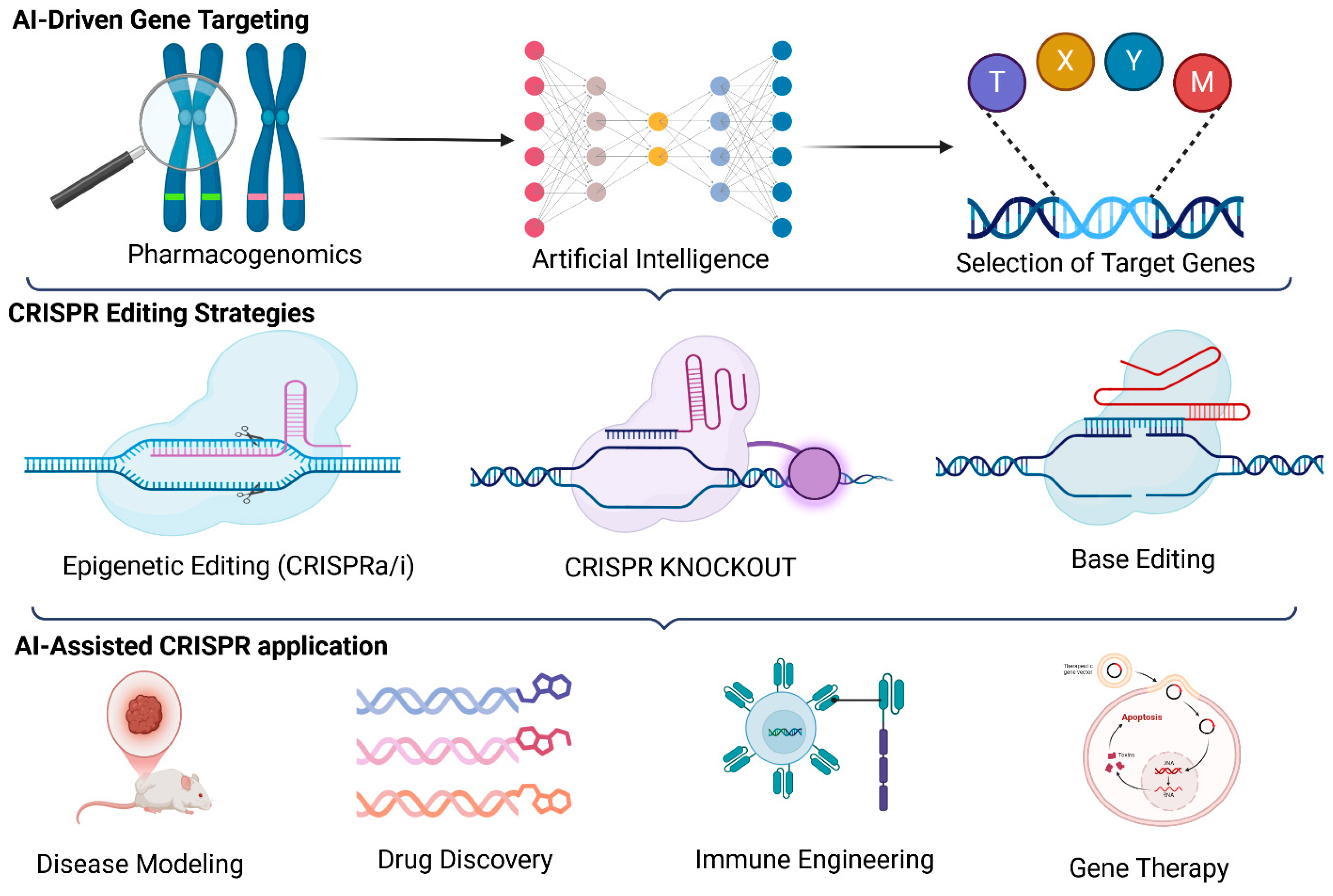
I am genuinely excited about what artificial intelligence can eventually do for drug discovery and genetic research. The potential to map complex — oddly — biological spaces faster than humanly possible is real, not just promo vapor. The potential to map complex — oddly — biological spaces faster than humanly possible is real, not just promo vapor. Anyway — but we've to stop treating every model output like an immutable truth! And what's the result? The real breakthroughs will not happen because a prompt engineer convinced an LLM to chat about repeat arrays. They'll arise when patient, careful scientists spend months in the lab failing, testing. And confirming whether these data ghosts can actually do something useful in the physical world.
Hype is cheap. Pipetting is hard. Let's remember the difference.









