Adding MCP Tools to Reachy Mini Changes How Robots Listen
Model Context Protocol is finally bridging the gap between desktop AI and physical hardware....
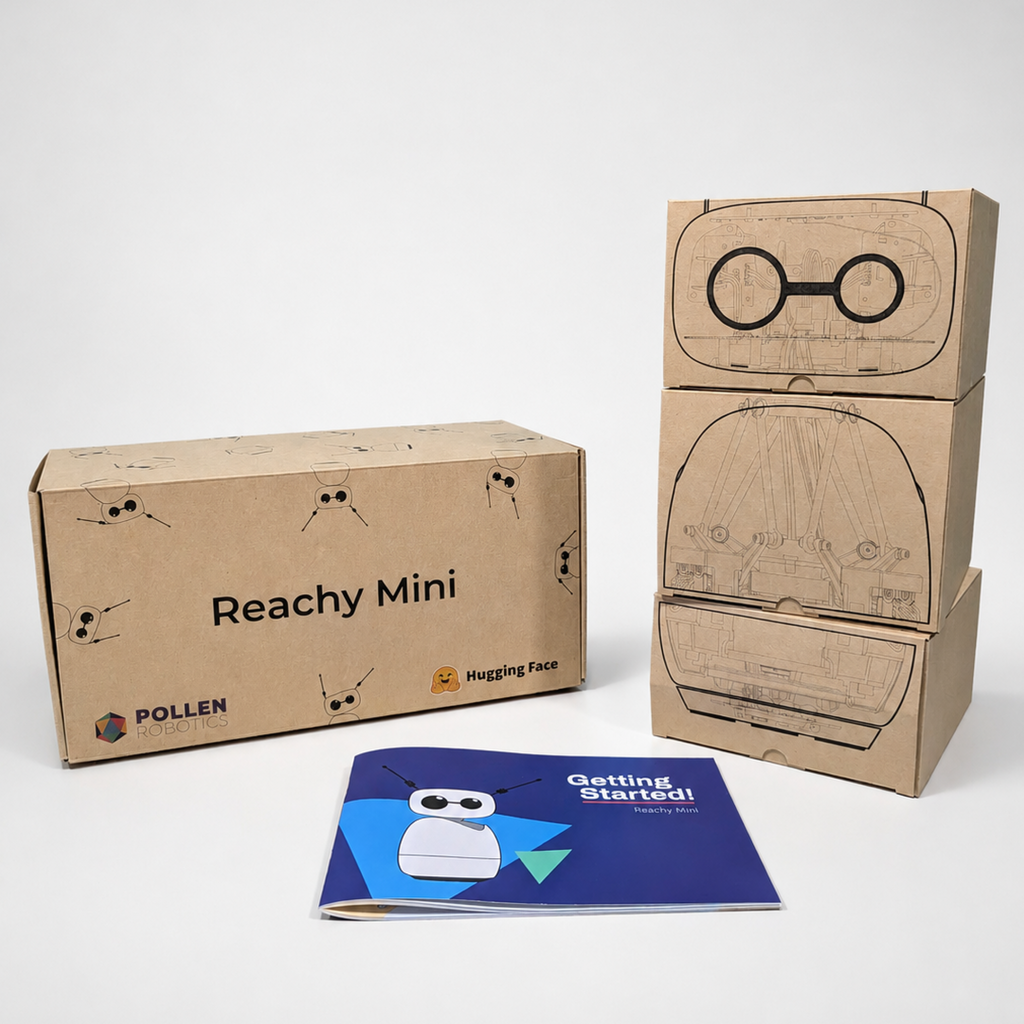
Hardware tinkering usually feels like pulling teeth with rusty pliers, forcing you to wrestle against proprietary SDKs and endless compilation cycles while praying the drivers hold together. That is why Pollen Robotics adding MCP tools to Reachy Mini caught my eye this week, signaling a welcome shift away from bloated monolithic binaries toward modular architectures that actually respect developer sanity. Stop locking builders inside closed ecosystems.
Up until now, giving a robot actual capabilities meant writing brittle local Python scripts tethered directly to the low-level hardware loop. Meaning you'd to bake network logic straight into the core use just to fetch a search result. That approach works fine for twitching a servo or triggering a cheerful head tilt. But it introduces absolute friction for stateless tasks like web lookups, forcing teams to constantly rebuild monolithic stacks just to handle basic external queries.
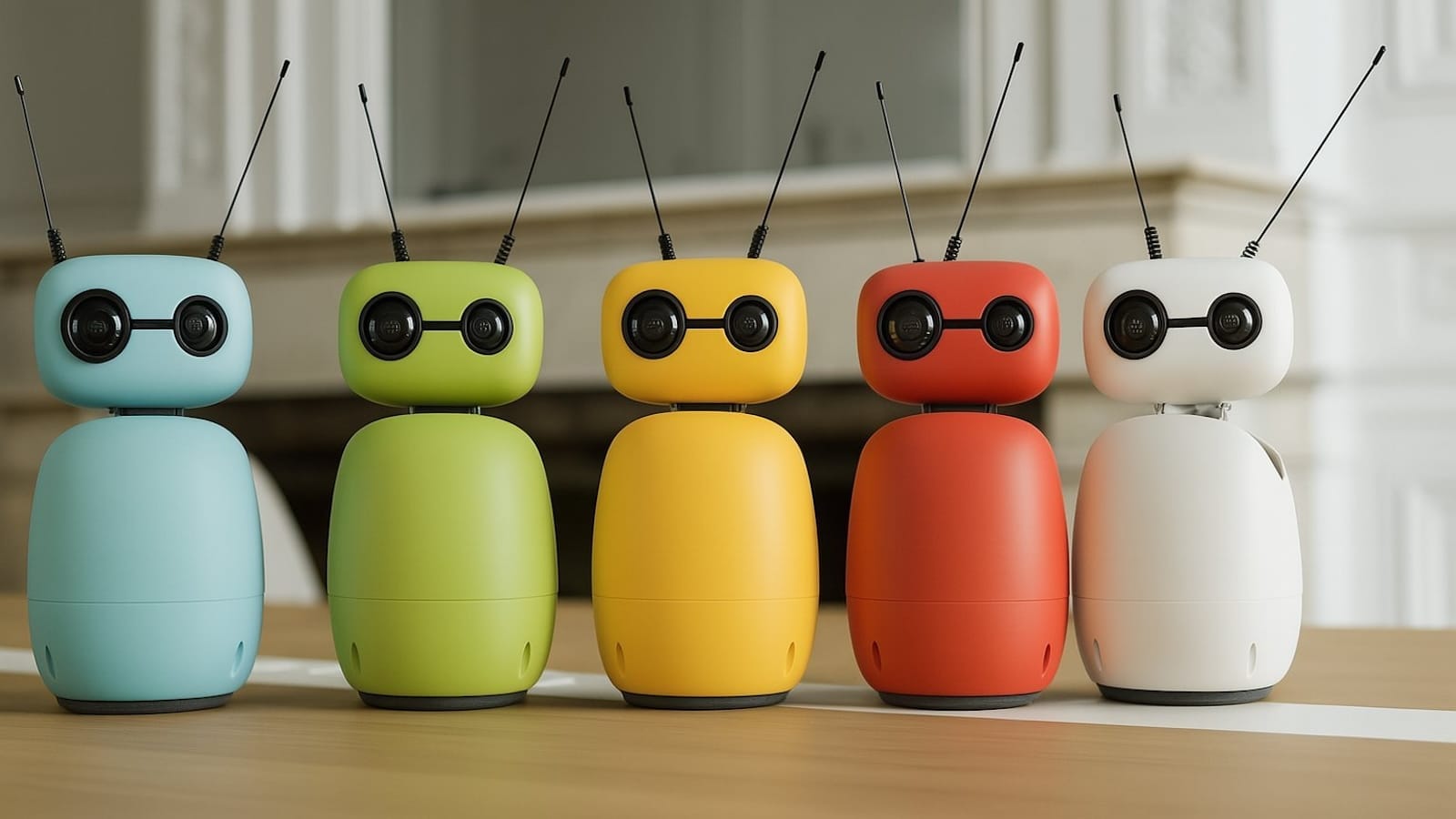
Remote tools change the equation entirely by letting developers publish, share, and iterate on external features without recompiling the primary codebase every single time. You pull down a weather tool with a single command, tweak your profiles. And suddenly a physical desktop robot is calmly answering questions about Paris traffic using live data from the web.
Composability wins. We do not need more walled gardens or fragile proprietary agent frameworks that shatter on the next minor dependency bump, because sustainable progress relies entirely on open rules, small trusted cores, and flexible tools that empower lean teams to construct genuinely interesting systems without losing their minds in the process.
It is early days yet, but when physical hardware finally starts acting as a clean, standardized client for modular context protocols rather than a proprietary fortress, the barrier to building useful embodied agents drops dramatically.