Reimagining advertising with AI or just text-wrapping the same old noise?
OpenAI just rolled out AI-powered advertising tools in ChatGPT, turning conversational interfaces into the latest storefronts. Here is what this shift actually means for builders and buyers....
OpenAI just opened the floodgates. Advertising is officially arriving in ChatGPT, promising to reinvent how brands talk to consumers through the magic of modern machine learning. They call it reimagining advertising with AI. It sounds sleek, futuristic, and inevitable.
Let’s look past the slick launch announcements for a moment. What are they actually building? We are talking about sponsored conversational agents, automated campaign generation via natural language prompts, and heavy-duty CRM integrations with giants like Shopify and HubSpot. Instead of just staring at a static banner, users can now open a direct dialogue with a brand's custom LLM right inside their chat thread. The friction of discovery is dropping to absolute zero.
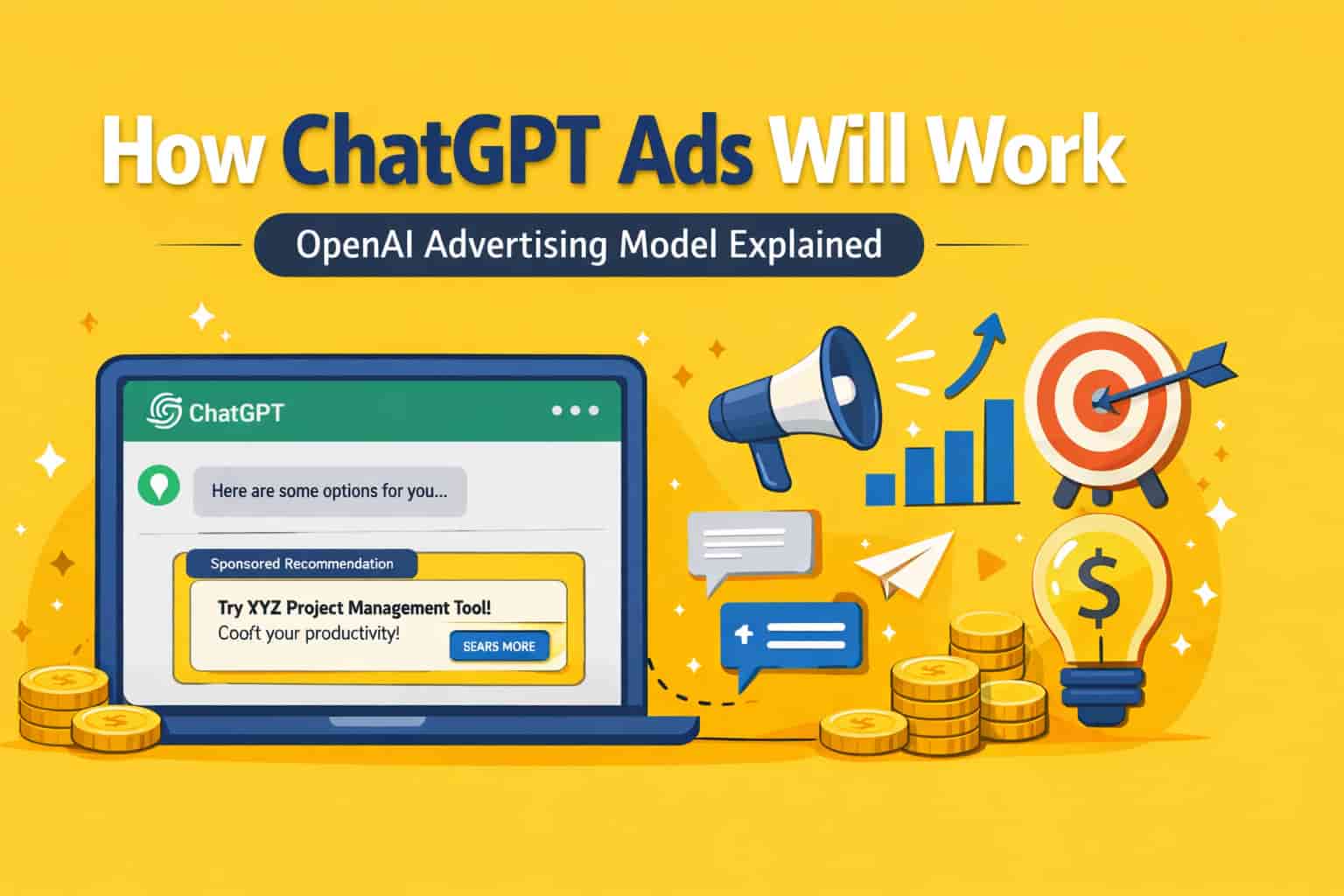
As someone who builds software, I can appreciate the engineering elegance required to orchestrate real-time conversational commerce at this scale. The underlying mechanics are genuinely impressive. But I cannot shake a creeping sense of deja vu. We spent decades learning to filter out pop-ups, dodge retargeting trackers, and ignore sponsored search results. Now, the algorithms that help us write code, analyze data, and draft memos are going to double as pitchmen. Monetization always wins in the end. It had to happen.
The real question is how this affects trust. When a neutral assistant suddenly pivots to selling you a sectional sofa or software subscription, the psychological dynamic shifts. Sure, having a bot answer granular product specs saves time. Yet it also blurs the sacred boundary between objective tooling and commercial persuasion. Platforms tilt toward whoever pays for the token budget. Watch this space closely. Just, the web survived the banner ad and the algorithmic feed, but conversational monetization might be a whole different beast.









