The iOS 27 Compatibility Matrix Is a Masterclass in Hardware Fragmentation
Apple's latest iOS compatibility list proves that running the newest software is no longer a simple yes-or-no question—especially when AI features enter the mix....

Every year, the tech world plays the same familiar guessing game: will my phone make the cut for the next big software drop? Looking over the newly released iOS 27 compatibility list, I think we are watching a pivotal shift in how mobile operating systems handle the march of time. Apple is managing to stretch basic OS support remarkably far back—all the way to the iPhone 11 series for standard updates—which is genuinely impressive from a maintenance standpoint.
But that baseline compatibility hides a much messier reality. If you look closely at how features are distributed, the real dividing line isn't just whether your device can install the OS; it is whether your silicon can actually handle the processing demands of modern software. We are officially in an era where owning a supported device doesn't mean you get the complete experience.
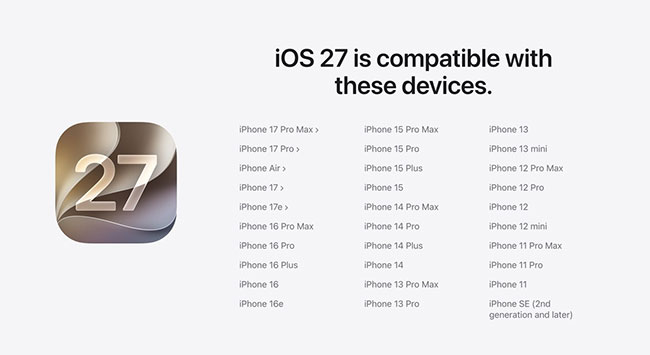
The stark division between full feature sets and reduced capability highlights a frustrating truth for builders and users alike. Devices like the base iPhone 15 and older 14 series can download iOS 27, but they get locked out of the heavy-lifting intelligence features. It creates a fragmented user base where two people with the same version number are looking at entirely different software capabilities.
For anyone building products today, this is the architectural reality we have to design around. Hardware constraints dictate software horizons, and brute-force optimization can only stretch silicon so far before physics and NPU limits catch up. Apple's latest matrix isn't just a support sheet; it's a reminder that hardware debt always comes due eventually.