Jensen Huang, Stage-Managed AI Hype, and the Foldable Phone Distraction
A live call from Donald Trump at a tech conference gave us a masterclass in industry PR, but the real story is the economics driving Nvidia's relentless push....

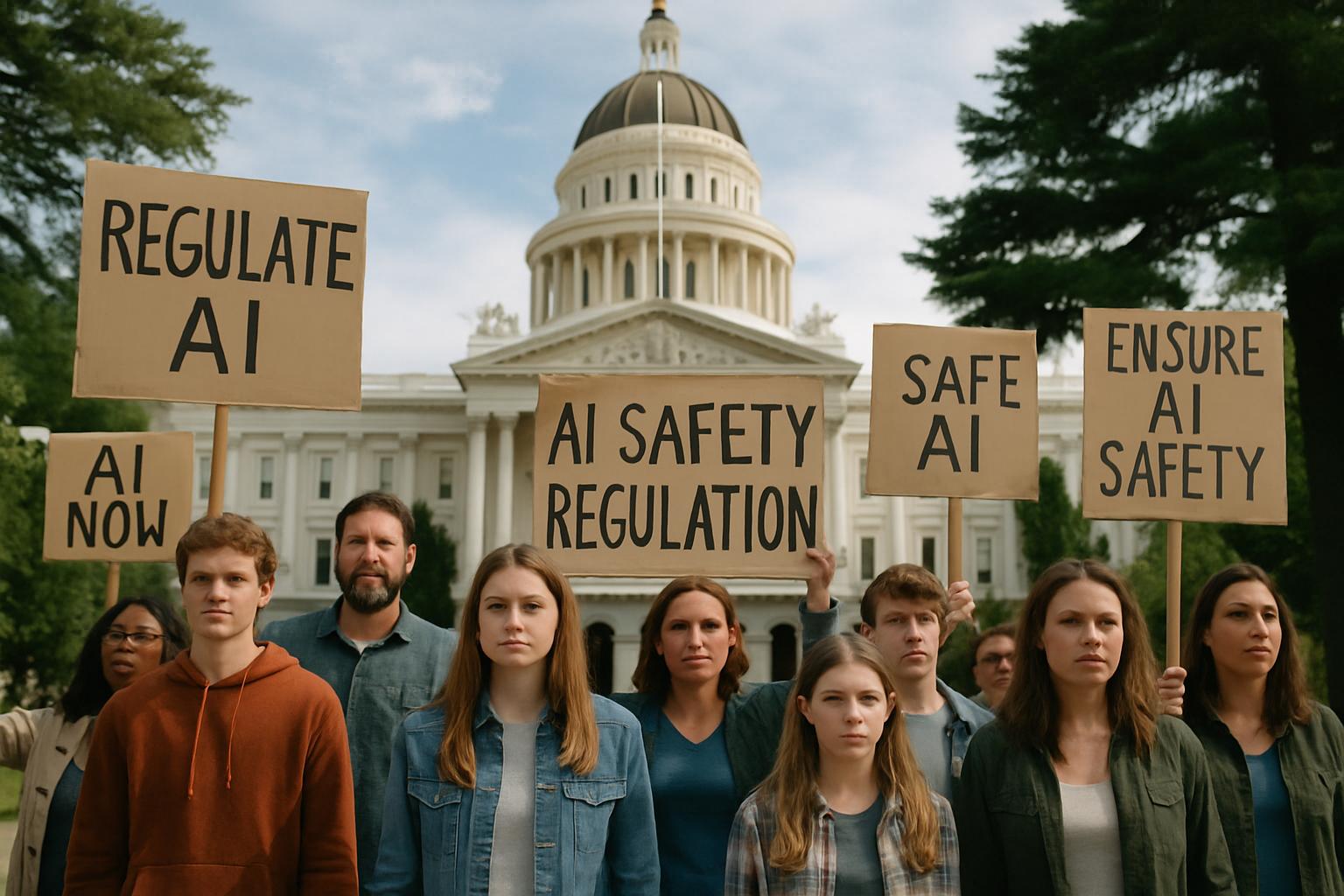
Tech conferences love a good piece of live theater, and Jensen Huang delivered a peculiar brand of it at the All-In summit when Donald Trump called him right there on stage. Naturally, the conversation drifted into familiar territory. Trump dismissed AI safety concerns as a political hoax, arguing that slowing down innovation only benefits China. Huang played along, feeding the applause back to the president like a late-night talk show host milking a studio audience.
It makes for great viral clips, but let's be real about the incentives at play here. When your entire valuation depends on hyperscalers and frontier labs buying every silicon wafer you can mint, downplaying existential risk isn't an ideological stance—it's a fiduciary duty. Of course Huang agrees that the tech is too big to slow down. If the market pauses to actually consider the downstream consequences of deployment at scale, Nvidia's extraordinary margins take the hit.

Amidst all the political theater and hardware flexes—complete with a scrambled tech-blog news cycle trying to identify what foldable device Huang was actually holding—we missed the quieter, more interesting subtext. Real engineering and software development don't happen on live stages under spotlights. They happen in quiet editors, debugging complex systems, and figuring out how to build sustainable software architectures without burning through a small nation's power grid.
Performance art with world leaders might move stock tickers for a single afternoon, but it doesn't ship reliable code or solve real computational bottlenecks. While the giants posture for the cameras and debate geopolitical race dynamics, the rest of us have actual work to build.