Why openSUSE Leap Getting an Immutable Mode Changes Everything
openSUSE Leap is finally getting a true immutable mode, bringing bulletproof transactional updates and a read-only root filesystem straight to the desktop....

I have spent decades watching Linux distros come and go, promising the moon while occasionally shipping fragile package managers that break on a Tuesday afternoon. Reliability is rare. True engineering craft is even rarer. That is why I paid attention when openSUSE announced that Leap 16.1 is introducing a native immutable mode, borrowing the rock-solid transactional mechanics from its container-focused sibling, Leap Micro.
Let us be honest for a second. Traditional Linux file systems are a bit like an open workshop where anyone can walk in and move your tools around. If a rogue script or a bad update touches your core directories, things break permanently. Immutability fixes this flaw by locking down the root filesystem into a read-only state. Updates happen atomically in the background. If something goes sideways, you just roll back to the last known good snapshot like it never happened.
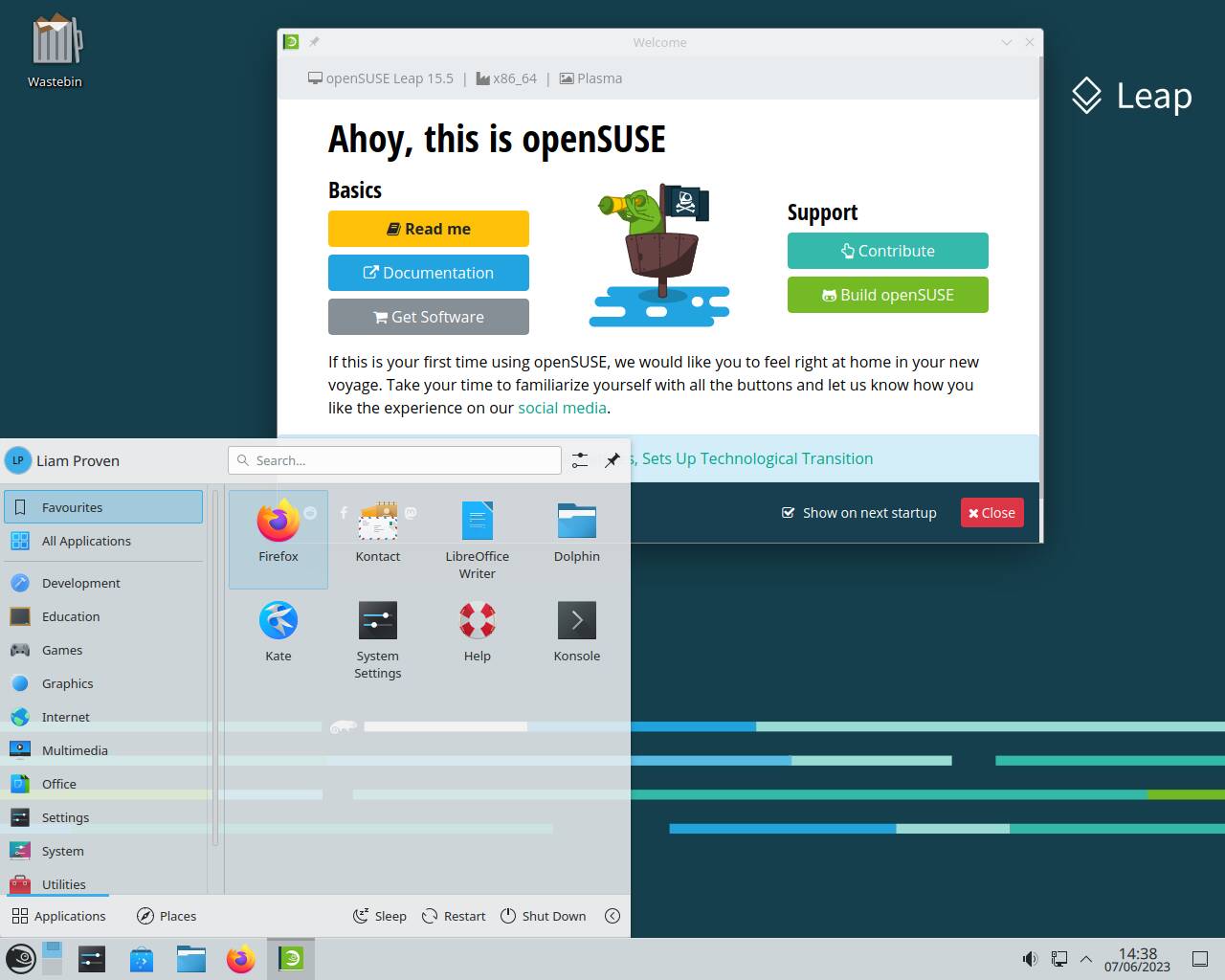
What makes this particular move so compelling is the target audience. We are not just talking about headless servers or locked-down edge devices buried in a remote utility closet somewhere. OpenSUSE is bringing this capability directly to the everyday desktop installer as an optional toggle. You get the fierce stability of an appliance OS combined with the flexibility of a daily driver. That is a massive win for anyone who values a machine that simply works without constant babysitting.
Engineering like this reminds us why open-source systems remain fascinating. Instead of chasing fleeting design fads or artificial intelligence gimmicks, the openSUSE team is quietly solving real-world reliability problems. If this implementation hits the mark, it might just set a brand-new standard for how we build and secure general-purpose operating systems moving forward.