Benchmarking open models and tool design for the agentic era
We are entering an era where software must be built for silicon users. Here is why testing agentic-use on your own tooling changes everything....
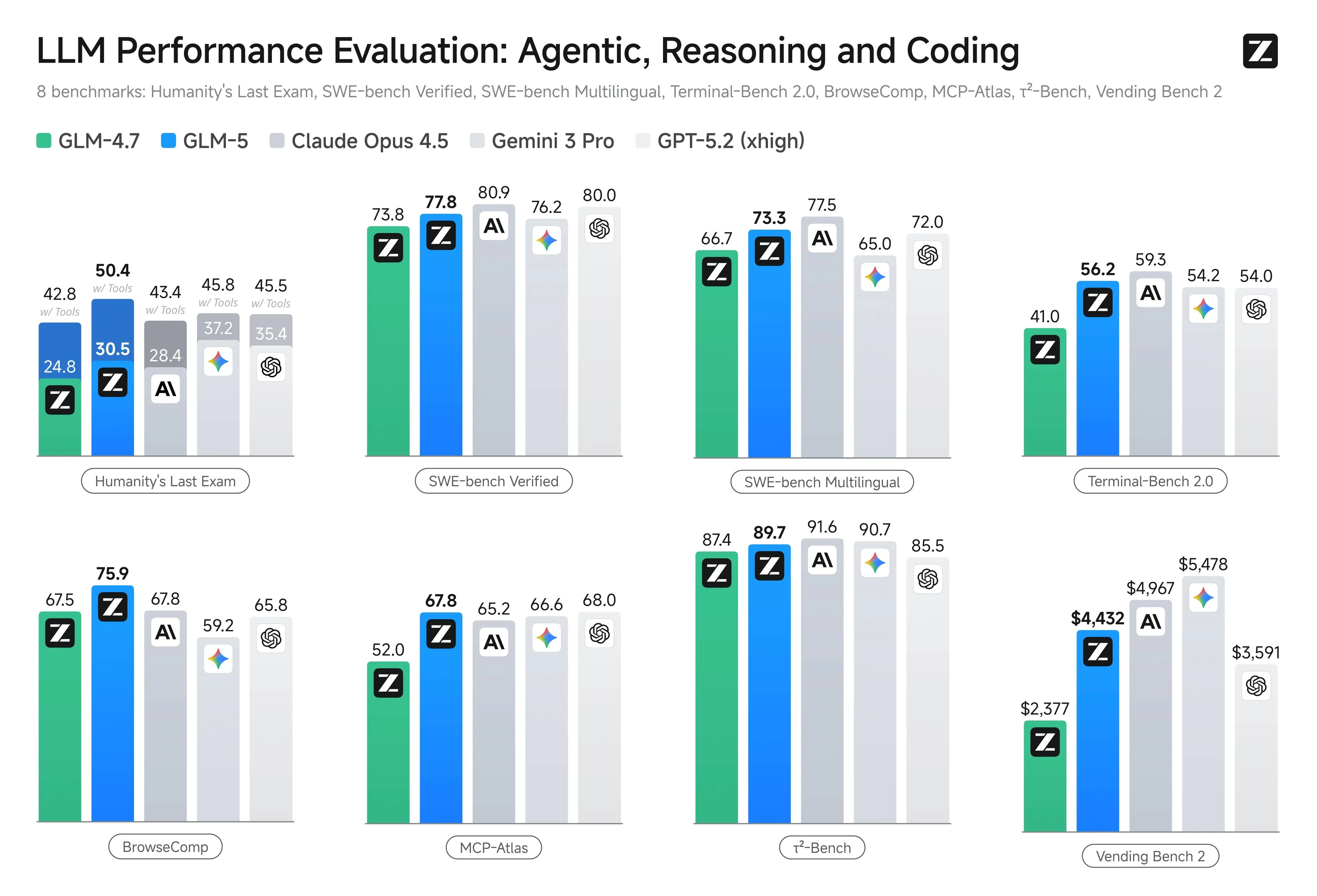
Coding agents don't care about your clever abstractions. They care about clear paths. When an LLM drives a codebase, clumsy APIs and neglected documentation instantly translate into wasted tokens, endless loops, and blown budgets. We used to write libraries exclusively for human developers who could intuit missing context or skim a messy README out of sheer stubbornness. Those days are fading fast.
The Hugging Face team recently tackled this head-on — and this matters. By building a benchmark focused entirely on process, not just final output. It Instead of asking whether — and this matters — a model eventually landed on the right answer! They tracked how much friction it — well, actually, encountered along the way. Sounds familiar? They tested open models using the transformers library to see how minor shifts in docs, CLI design. Also, task-specific examples changed the daily speed of the system (to be fair). The results prove a key point: if you want software to work reliably for autonomous loops. You have to test it namely for agentic-use.
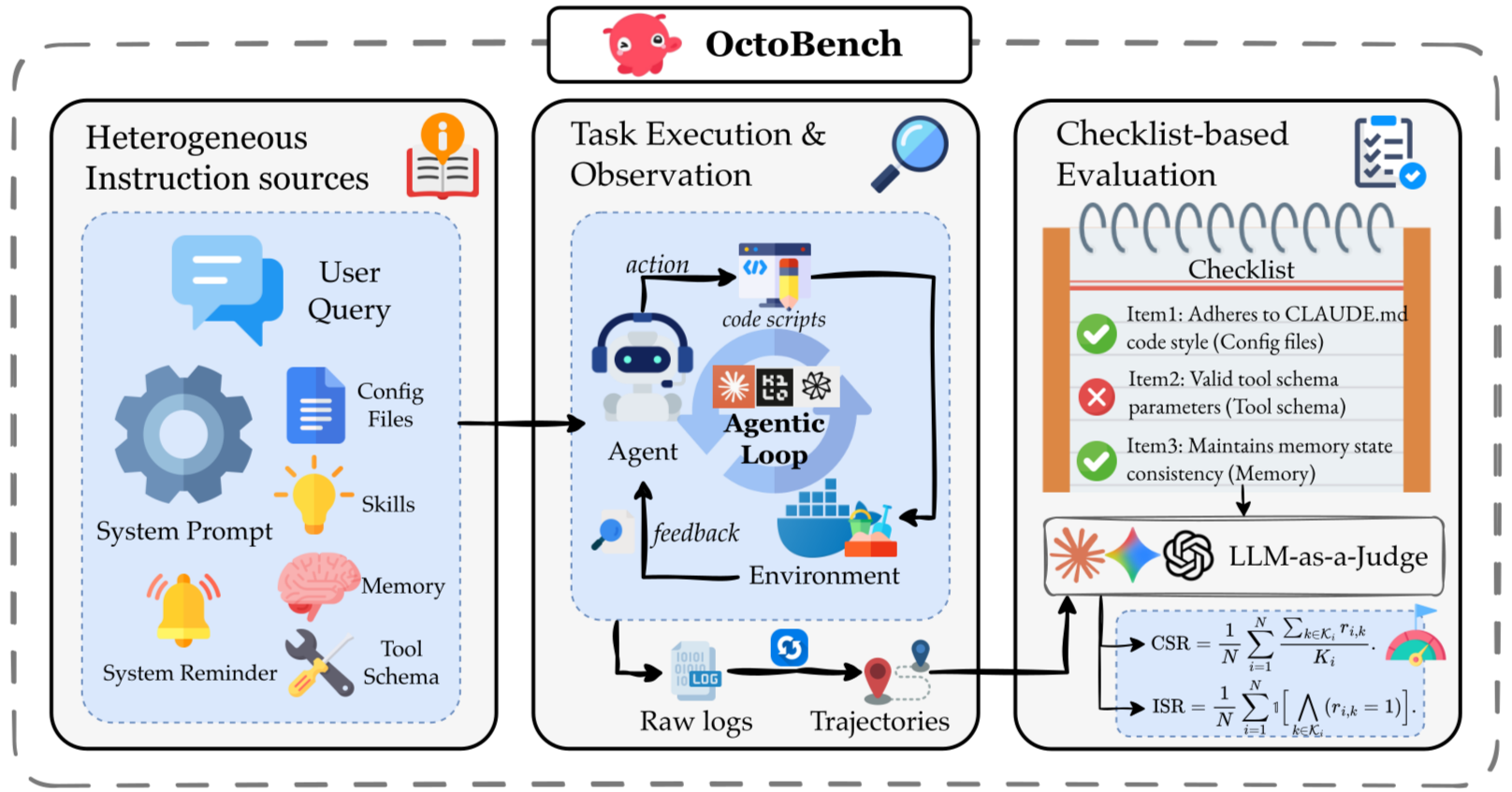
Their findings point out an uncomfortable truth for library maintainers. Good software engineering has always relied on the old adage that untested code is broken code. But the agentic workflow expands that definition significantly. Now, if a tool isn't aggressively discoverable, it effectively doesn't exist for the model trying to wield it. Could be, adding a clean CLI and self-contained examples isn't just nice-to-have polishing anymore. It is structural engineering for silicon.
Intuition is nice. Hard data is better. Rather than guessing how to optimize massive, legacy-adjacent codebases with thousands of lines of speculative changes, we need rigorous use that evaluate open models across identical hardware environments. Stop optimizing solely for human ergonomics. The agents are driving now, and we need to build roads they can actually navigate.









